




RELATED: Minn. to test autonomous bus in cold weather climate
Helsinki launching self-driving bus into regular service
The road vehicle for RoboBusLine is an electric EasyMile minibus currently under acquisition through a competitive bid process.
June 15, 2017
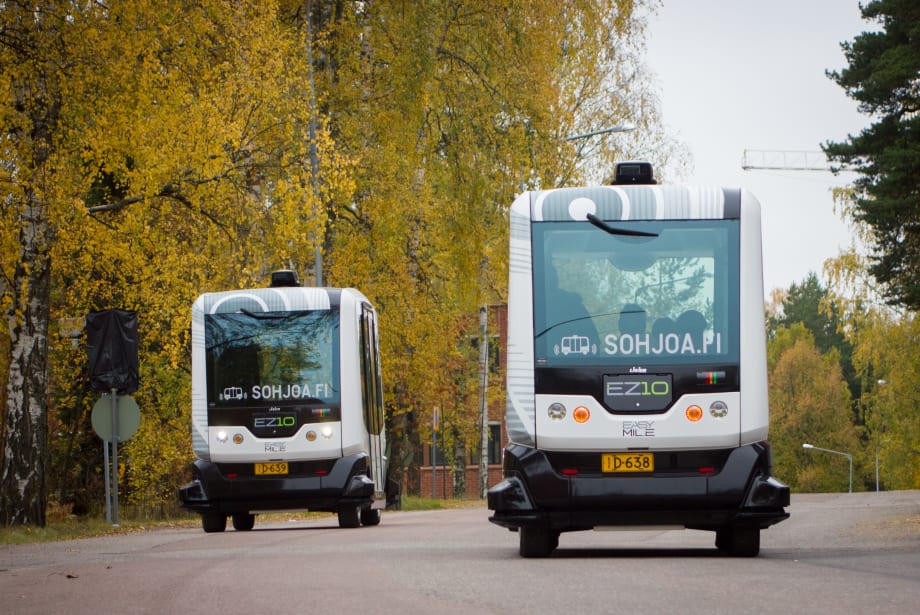
Paving the way for RoboBus, two driverless minibuses have been tested in real traffic conditions in Helsinki and other Finnish cities since summer 2016, and these test runs will continue in Helsinki in summer 2017.
2 min to read
Paving the way for RoboBus, two driverless minibuses have been tested in real traffic conditions in Helsinki and other Finnish cities since summer 2016, and these test runs will continue in Helsinki in summer 2017.
The Finnish capital of Helsinki plans to launch a new bus line operated with one self-driving bus to start operation in the fall of 2017. The introduction of Helsinki RoboBusLine represents a shift from an experimental phase to regular, scheduled public transit service with self-driving buses.
Paving the way for RoboBus, two driverless minibuses have been tested in real traffic conditions in Helsinki and other Finnish cities since summer 2016, and these test runs will continue in Helsinki in summer 2017.
The Sohjoa project launched two EasyMile EZ10 electric minibuses in Helsinki's Hernesaari waterfront district in mid-August 2016 to carry passengers on a straight quarter-mile course on a public street. With an operator on board in case of an emergency, the buses traveled at 7 mph, learning the route and accruing knowledge about autonomous bus operation. Sohjoa is an EU-financed joint project by the six largest cities of Finland, Finnish universities, and transportation authorities to prepare for new public transit services and autonomous vehicles.
After the Helsinki debut, Sohjoa self-driving bus trials have continued in the Finnish cities of Espoo and Tampere, to resume in Helsinki for July to August 2017, when the buses will shuttle passengers in Helsinki's Mustikkamaa recreational island to Helsinki Zoo.
The road vehicle for RoboBusLine is an electric minibus currently under acquisition through a competitive bid process. The route, the launch date, and the schedule will be announced later. The acquisition is supported by City of Helsinki.
Self-driving buses could offer a solution to the last mile of public transit in Helsinki — taking riders from a regular public transit stop to their homes. Automated, remote-controlled bus service could markedly reduce the costs of the last-mile service and improve access to public transit. The ultimate goal is to increase public transit use and so to reduce cars and needs to drive in the city.
Helsinki RoboBusLine is one component of Helsinki's contribution to the EU-financed mySMARTLife program, in which European cities develop smart, energy-efficient mobility and lifestyles. The mySMARTLife program goal is to reduce energy consumption in cities by 10% to 15%. mySMARTLife is part of the EU's Horizon 2020 research and innovation program, which includes development of new urban solutions to mitigate climate change.
More New Mobility

From Hardware to Digital Partner: Luminator Charts Its Next Chapter
CEO Magnus Friberg discusses Luminator’s shift toward becoming a digital partner, the growing importance of software and interoperability, and how AI can help agencies improve operations and passenger experience.
Read More →
Biz Briefs: Alstom Lands Canadian Contract, LYT to Supply California TSP, and More
In METRO's latest installment, we take a look at recent news from Complete Coach Works, Beep, FlixBus, and more partnerships making headlines across the transportation sector.
Read More →
CharterUP’s Armir Harris on Technology, AI, and the Future of Group Mobility
In a recent episode of METROspectives, CharterUP Founder/CEO Armir Harris discussed the company’s evolution from an online charter bus marketplace into a technology platform supporting public- and private-sector mobility and much more.
Read More →
Jacksonville’s NAVI Project Charts a New Course for Autonomous Public Transportation
Through its NAVI program, JTA is showing how autonomous vehicles, intelligent infrastructure, and coordinated operations can work together to deliver everyday public transportation.
Read More →
Biz Briefs: Luminator Marks Milestone and More
From manufacturers and suppliers to transit agencies and motorcoach operators, these updates offer a snapshot of the projects, partnerships and business moves driving the industry forward.
Read More →
New Tricks for Old Bureaucracies: Joshua Schank on Making Transit Innovation Stick
Former LA Metro Chief Innovation Officer Joshua Schank discusses why good ideas aren't enough, how transit agencies can overcome resistance to change, and why today's challenges demand more innovation.
Read More →
How DART's GoPass Is Redefining Regional Mobility
Serving 14 transit agencies, GoPass simplifies multimodal travel by allowing riders to plan, pay for, and manage an entire trip through one app.
Read More →
Biz Briefs: OCTA Taps Clean Energy for Hydrogen Station, Stadler to Supply Via Rail Vehicles, and More
From manufacturers and suppliers to transit agencies and motorcoach operators, these updates offer a snapshot of the projects, partnerships and business moves driving the industry forward.
Read More →CharterUP Expands Into New Mobility and Autonomous Transportation
Vice President of New Mobility Stephen Joos discusses how CharterUP is leveraging its nationwide transportation network, technology platform, and autonomous vehicle partnerships to expand into workforce mobility, campus shuttles, and transit solutions.
Read More →
METRO Magazine Announces 2026 Innovative Solutions Awards Winners
Projects Recognized for Advancing Mobility Through Technology, Accessibility, Workforce Innovation, and Operational Excellence
Read More →