



NJ Transit unveils plan to install 360-degree cameras on buses
The $29.1 million system will be installed in 2,500 new and existing buses to provide operators with a 360-degree field of vision around the bus that will help to eliminate blind spots and enhance pedestrian safety.
May 18, 2017


2 min to read

New Jersey Transit unveils plan to install 360-degree cameras on buses that will protect pedestrians, riders and motorists by increasing bus drivers’ awareness of their surroundings.
The $29.1 million 360-degree camera system will be installed in 2,500 new and existing NJ TRANSIT buses to provide operators with a 360-degree field of vision around the bus that will help to eliminate blind spots and enhance pedestrian safety. Each new bus that is delivered as part of ongoing equipment procurement will already be equipped with this technology, while existing buses will be retrofitted. The project will be implemented starting in Fiscal Year 2018.
The 360-degree camera system utilizes four external ultrawide-angle cameras mounted on the front, rear and sides of the bus that capture the surrounding areas of the vehicle, including blind spots. Each camera covers one full side of the vehicle, with a viewing angle of more than 180 degrees. The four live images are then simultaneously sent to an electronic control unit, where they are processed, combined, blended and stitched into a single image, as well as corrected to accommodate any distortion from the wide-angle camera lens. This single image is displayed on a monitor to give the operator a real-time “bird’s-eye” view of the vehicle.
“Presenting all-around visibility in one image saves the operator from having to process information from several mirrors in quick succession, making it easier to identify possible hazards,” said Steven H. Santoro, NJ TRANSIT Executive Director. “We began testing the camera program in March and feedback from drivers has been positive.”
In addition to the 360-degree bus camera project, NJ TRANSIT will roll out seven additional safety and technology projects in the coming year, including an enhanced “MyTix” electronic, mobile ticketing application that will increase functionality and intermodal ticketing options. NJ TRANSIT also is preparing to begin preliminary engineering and design on a significant expansion of the Hudson-Bergen Light Rail/Route 440 and the TTF supplemental funding will continue progress on the development of the Hudson-Bergen Light Rail Northern Branch expansion and Camden-Glassboro light rail projects. In all, the supplemental funding will pay for 14 public transit projects.
More Security and Safety

Building the Next Generation of Transit Technology
In this edition of METROspectives, Luminator CEO Magnus Friberg discusses the company's transformation, the growing role of AI and software, and what's next for transit technology.
Read More →
TTC Launches Camera Pilot to Curb Illegal Passing of Streetcars
During the pilot, the cameras will measure how often illegal streetcar passing occurs and test the technology's reliability for future automated enforcement.
Read More →
Biz Briefs: Masabi Teams with St. Louis Metro and More
In METRO's latest installment, we take a look at recent news from Transdev, Hitachi, and more partnerships making headlines across the transportation sector.
Read More →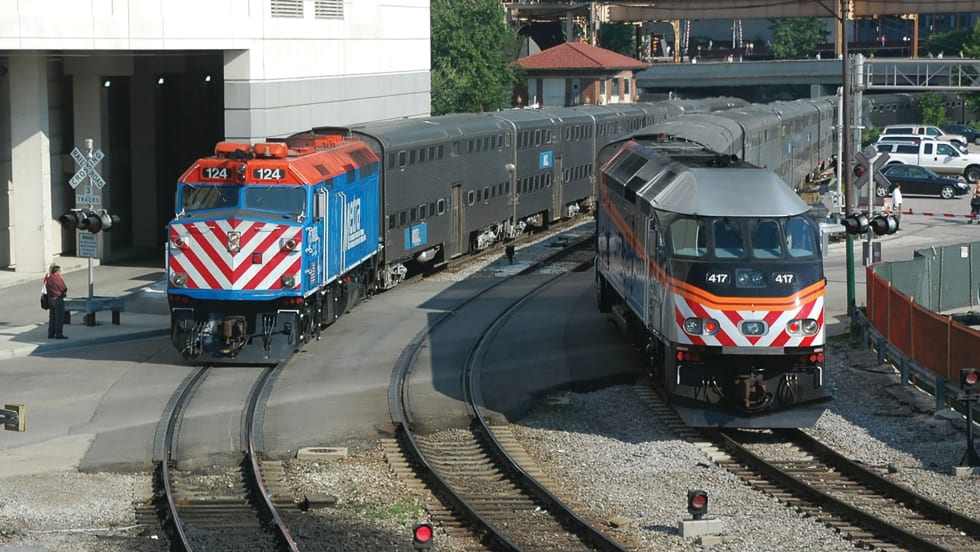
Metra Begins Drone Pilot Project to Boost Safety and Security
The project is funded through a $620,000 grant from FEMA’s Transit Security Grant Program, which provides transit agencies with funding for projects intended to protect critical transportation infrastructure and the traveling public.
Read More →
Building the Next Generation of Transit Technology
In this edition of METROspectives, Luminator CEO Magnus Friberg discusses the company's transformation, the growing role of AI and software, and what's next for transit technology.
Read More →
APTA Recognizes Excellence in Rail Safety and Security at 2026 Rail Conference
Nominations are evaluated on four criteria: effectiveness, benefit level, innovation, and transferability.
Read More →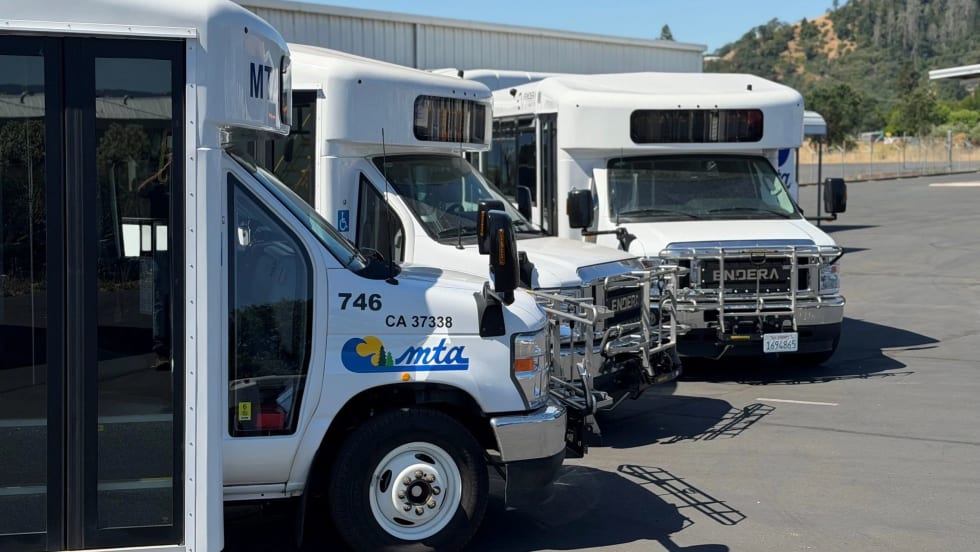
Biz Briefs: Endera Delivers to California, Safety Vision Teams with San Antonio's VIA, and More
From manufacturers and suppliers to transit agencies and motorcoach operators, these updates offer a snapshot of the projects, partnerships and business moves driving the industry forward.
Read More →
The Role of AI in Public Safety for Smart Transit Systems
As transit systems generate more data than ever, AI-powered safety tools are helping agencies detect incidents faster, improve response times and enhance situational awareness.
Read More →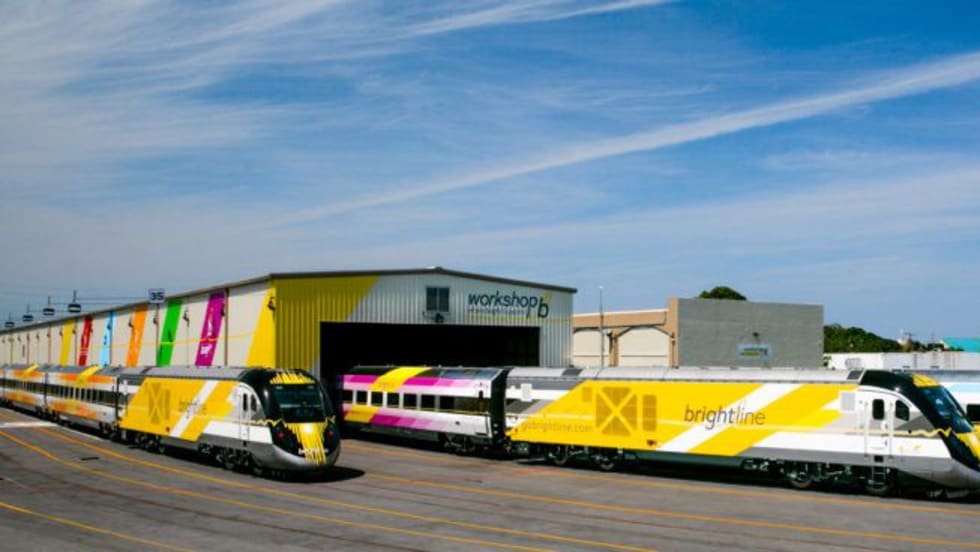
DOT: Brightline Corridor Incidents Fall 30% Following Federal Safety Upgrades
Safety improvements funded through a $25 million federal investment are credited with reducing trespassing and train-vehicle collisions along the Brightline Florida corridor.
Read More →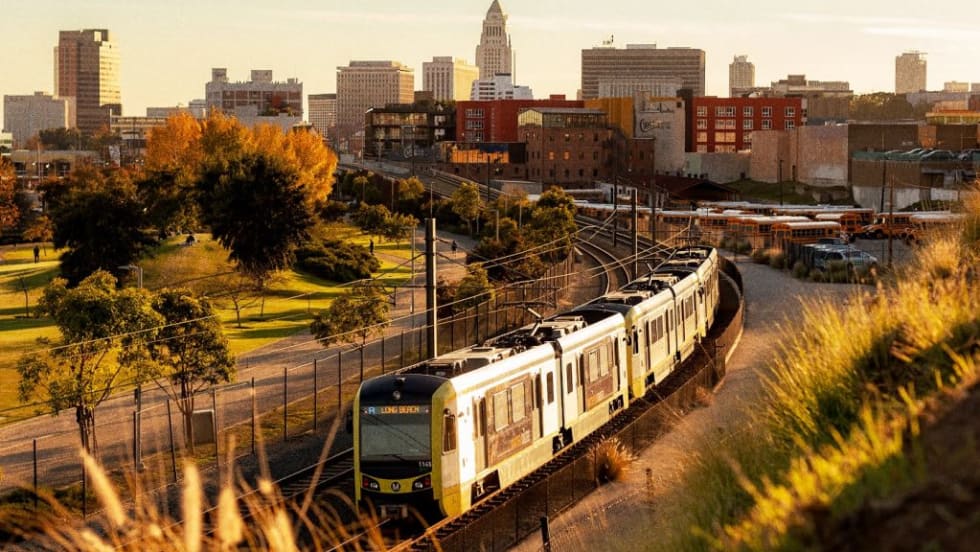
LA Metro Sworn Officer Recruitment Draws 950 Applications on First Day
The California agency moves safety into its next phase, recruiting officers to help shape a transit-focused, community-centered force.
Read More →