




Keep Reading: How Coach USA Is Using AI to Prevent Bus Accidents
Biz Briefs: Masabi Teams with St. Louis Metro and More
In METRO's latest installment, we take a look at recent news from Transdev, Hitachi, and more partnerships making headlines across the transportation sector.
July 17, 2026
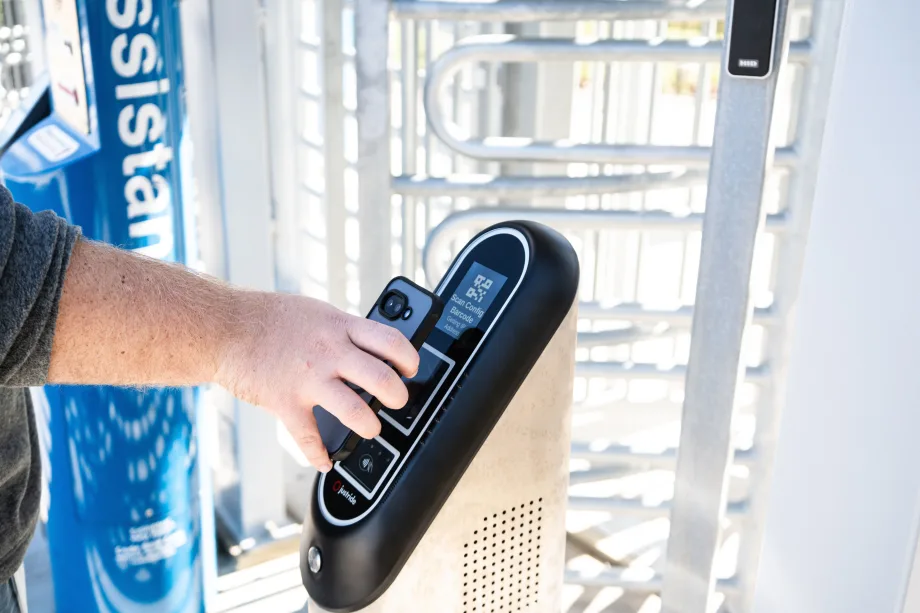
The launch builds on St. Louis Metro Transit's mobile ticketing rollout with Masabi in June 2025 and introduces a fully account-based fare system across the Ride On app, Transit app, and new Ride On smartcard.
Credit:
Masabi
5 min to read
- Masabi has partnered with St. Louis Metro in the latest business venture featured by METRO.
- Transdev and Hitachi are highlighted in recent news within the transportation sector.
- New partnerships are making headlines, showcasing developments across transportation industries.
*Summarized by AI
From strategic partnerships and acquisitions to service expansions and technology investments, the transportation industry continues to evolve at a rapid pace.
In this edition of Biz Briefs, we spotlight the latest developments shaping the future of mobility. From manufacturers and suppliers to transit agencies and motorcoach operators, these updates offer a snapshot of the projects, partnerships and business moves driving the industry forward.
In METRO's latest installment, we take a look at recent news from Transdev, Hitachi, and more partnerships making headlines across the transportation sector.
St. Louis Metro Transit, Masabi Launches Account-Based Ticketing
St. Louis Metro Transit launched Account-Based Ticketing (ABT) in partnership with Masabi, marking the next step in the agency's fare modernization journey. Riders can now tap to pay their fare at select MetroLink stations, with the rollout extending across the full network over the coming weeks.
The launch builds on Metro Transit's mobile ticketing rollout with Masabi in June 2025 and introduces a fully account-based fare system across the Ride On app, Transit app, and new Ride On smartcard.
On MetroBus services, riders can tap their Ride On smartcard or scan a barcode in the Ride On or Transit app at onboard validators when boarding. On MetroLink, the system goes a step further, with riders able to tap or scan to open fare gates and pay in a single step. Gate access is currently available at select stations, with the full network coming online over the coming weeks as the rollout completes.
Fare capping ensures that no rider will ever pay more than $5 in a single day or $78 in a single month, regardless of how many journeys they make.
Additionally, Metro Transit's Ticket Vending Machines are integrated into the new fare system, giving riders another way to purchase fare products and load them directly to their Ride On account.
SEPTA, Sportworks Team for Velomodo Secure Bike Parking Pilot
Philadelphia’s SEPTA announced the launch of a new pilot program introducing Velomodo, a new secure bike parking solution, at Fox Chase Regional Rail Station.
The initiative, delivered in partnership with Sportworks (provider of SEPTA’s bus-mounted bike racks), will provide customers with safe, weather-protected storage for bicycles and scooters.
In a survey of SEPTA riders, 53% of respondents indicated that having secure bicycle and scooter parking would increase their frequency of SEPTA travel.
The Velomodo bike pods are designed to remove one of the biggest barriers to using transit with a bike – securing it at the station, said SEPTA officials. Each unit offers individual locking compartments and is managed through a vendor-operated booking and payment platform. During the initial phase of the pilot’s launch, bicycle parking will be offered free of charge.
Transdev Renews Longstanding Partnership with Texoma Area Paratransit System
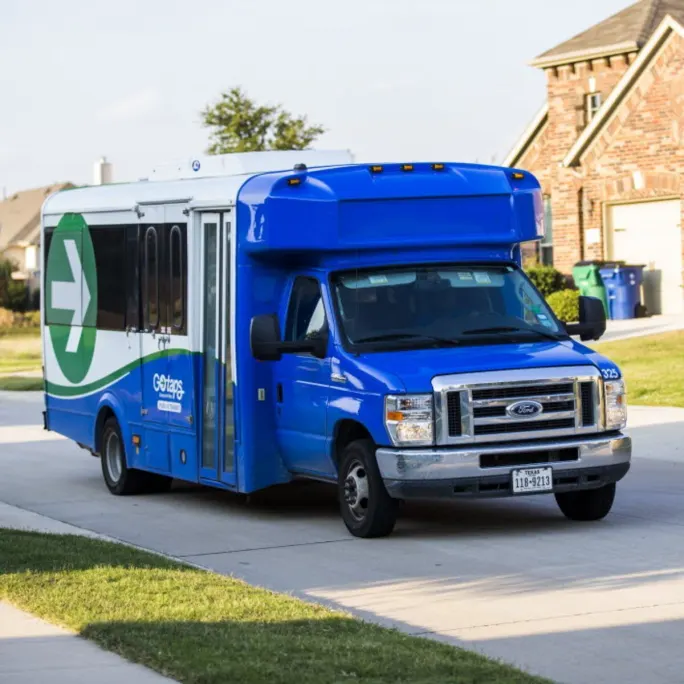
The renewed TAPS contract spans five years, reinforcing Transdev's long-term commitment to rural mobility and the communities TAPS serves.
Credit:
Transdev
Transdev renewed its partnership with Texoma Area Paratransit System (TAPS), continuing a decade-long collaboration that has strengthened mobility and access to essential services for communities across North Texas.
The new contract term began March 1, 2026, extending Transdev's role as the system's operations and management partner.
Through this renewed agreement, Transdev will continue to deliver a blend of transit management and paratransit services, including general public Dial-a-Ride and rural demand response, in which prescheduled trips with diverse routes are operated based on community needs. These services connect six communities that would not otherwise have access to public transit, reinforcing TAPS' role as a lifeline for the region, officials said.
Transdev's responsibilities include operational oversight, grant management support, data reporting, and compliance, ensuring transparency and accountability for TEXDOT and federal funding partners. Under this model, the TAPS GM also serves as the system's Executive Director, supported by Transdev's local and national expertise.
The renewed contract spans five years, reinforcing Transdev's long-term commitment to rural mobility and the communities TAPS serves.
Hitachi Signaling to Boost Toronto’s Line 2 Capacity 40%
Capacity and reliability on Toronto’s busiest east–west subway corridor are set for a major improvement following the award of a new signaling contract to Hitachi Rail to upgrade the Toronto Transit Commission’s (TTC) Line 2.
The project will replace the line’s existing 1960s signaling system with Hitachi Rail’s advanced digital technology, known as SelTrac communications-based train control (CBTC). Central to the CBTC system is automatic train control (ATC), which improves network performance by enabling trains to run closer together safely.
Once the full Line 2 upgrades are complete, the new automatic train control system will enable an increase of up to 40% in the line’s capacity. This will mean up to 33,000 passengers per hour will be able to travel on the line, up from 23,400 during peak periods today.
Passengers will also benefit from more reliable services, smoother journeys and enhanced safety across the network. The upgrade will support the long-term resilience of Line 2 and help meet rising demand and reduce crowding as ridership continues to grow across Toronto.
The approximately 4.9-mile eastward extension of Line 2 to Scarborough will include the same signaling technology and add three TTC stations — Sheppard, McCowan, and Scarborough. The expansion of the line will put 38,000 more people within walking distance of the subway and increase access to economic opportunities for Scarborough residents.
Samsara said the rebrand reflects its continued focus on helping organizations use AI and connected operations technology to improve safety, efficiency, and decision-making across physical operations.
Credit:
Samsara
Samsara Unveils New Brand Identity
Samsara has introduced its first major brand refresh since the company was founded, unveiling a new visual identity that reflects its evolution from a telematics provider to an AI-powered connected operations platform serving industries including transportation, logistics, construction, energy, and manufacturing.
The company said the rebrand was developed through customer interviews and site visits with frontline operators, resulting in a new design inspired by worksites, vehicle cabs, and field operations. The updated identity includes a redesigned owl logo, a custom typeface based on engineers' handwriting, and a high-visibility yellow color palette intended to reflect physical operations.
The announcement comes as Samsara surpasses $2 billion in annual recurring revenue, with 30% year-over-year growth. The company said it releases more than 200 new product features annually and has invested more than $1 billion in research and development since its founding. Recent product launches include AI-powered coaching, AI Multicam, Agent Studio, and the Samsara Tracking Label.
Samsara said the rebrand reflects its continued focus on helping organizations use AI and connected operations technology to improve safety, efficiency, and decision-making across physical operations.
Editor's Note: This article was originally published July 17, 2026, and was updated on July 21, 2026, for continued relevancy on industry news, including Samsara's brand refresh.
Quick Answers
METRO's latest installment focuses on recent news involving Transdev, Hitachi, and other partnerships in the transportation sector.
*Summarized by AI
More Technology
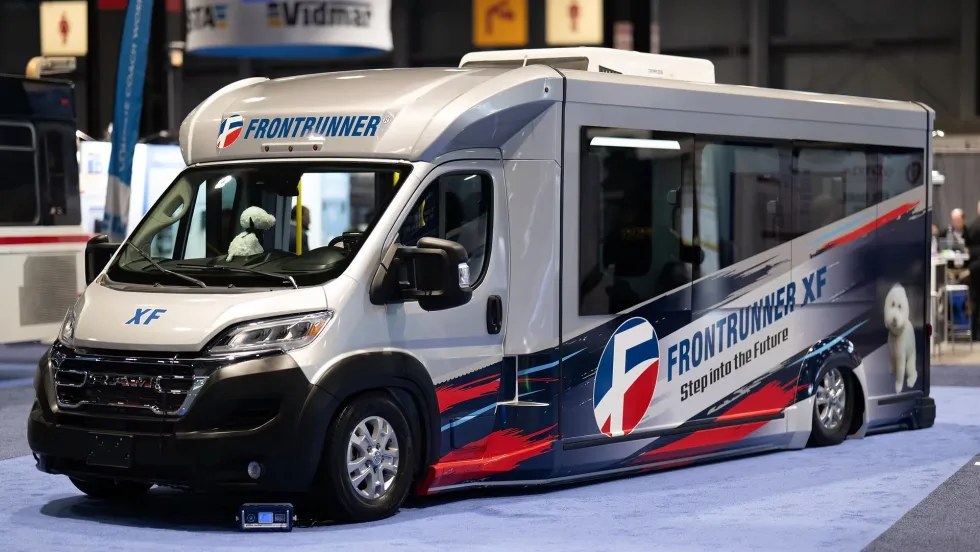
Frontrunner Bus Group Introduces XF Low-Floor Bus with Enhanced Accessibility
The new mid-sized bus features a full flat-floor design, eight-inch curbside step-in height, and zero-entry rear ramp to improve passenger access and operational flexibility.
Read More →
Building a Flexible Path to Transit Electrification with BAE's John Hroncich
John Hroncich discusses BAE Systems’ modular and scalable approach, lessons learned from decades of real-world operations, and how agencies can identify electrification strategies that fit their fleets.
Read More →
Scenes from APTA TRANSform & EXPO 2026
Transit leaders, manufacturers, and industry professionals gathered in Chicago to explore new technologies, share ideas, and discuss the future of public transportation.
Read More →
Biz Briefs: New Flyer Secures Additional 100-Bus Order from WMATA and More
In METRO's latest installment, we also take a look at recent news from Masabi, MCI, Samsara, and more partnerships making headlines across the transportation sector.
Read More →
MTA Fare Gate Pilot Reduces Fare Evasion by 35%
Following a 20-station pilot, the agency plans to install new fare gates at 20 additional subway stations as part of a $1.1 billion modernization initiative.
Read More →
California Law Extends AC Transit’s Bus Lane Camera Enforcement
The new law allows AC Transit to continue using forward-facing bus cameras to enforce parking violations in bus-only lanes and at bus stops.
Read More →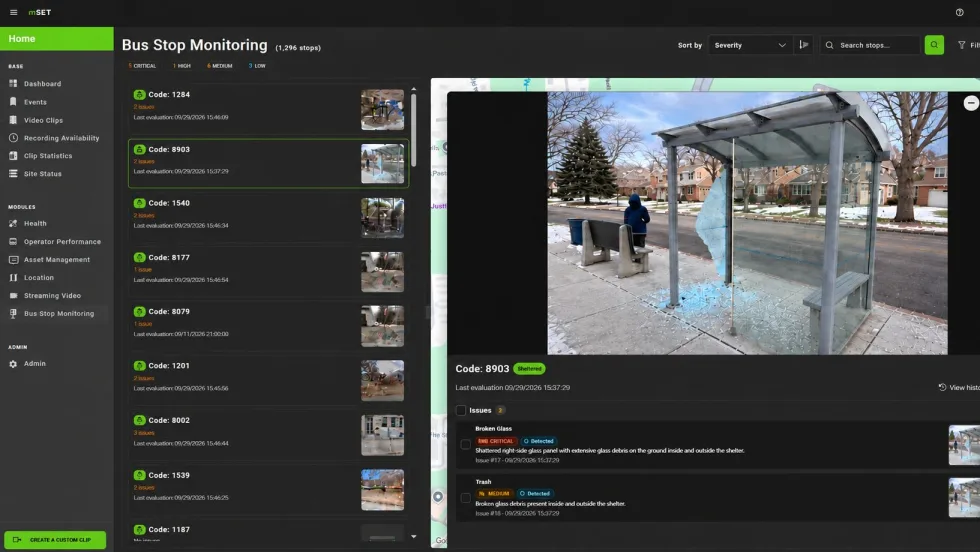
Biz Briefs: Luminator Launches AI Technology to Monitor Bus Stop Conditions and More
In METRO's latest installment, we also take a look at recent news from Masabi, Troman Industries, ioki, CCW, and more partnerships making headlines across the transportation sector.
Read More →
Public Transit Conference Returning to GFX in 2027, Call for Papers Now Open
The Call for Papers is now open, allowing transit agency professionals and industry experts to help shape the PTC educational program by submitting session ideas for consideration.
Read More →
ENC Lands MATA Contract and More in Biz Briefs
In this edition of Biz Briefs, we spotlight the latest developments shaping the future of mobility.
Read More →
Strada360’s Steve Lassey on Turning Transit Data Into Better Decisions
From breaking down data silos to preparing for AI, Strada360 CEO Steve Lassey discusses how transit agencies can use technology to improve operations, customer information, and long-term decision-making.
Read More →