



Metra Begins Drone Pilot Project to Boost Safety and Security
The project is funded through a $620,000 grant from FEMA’s Transit Security Grant Program, which provides transit agencies with funding for projects intended to protect critical transportation infrastructure and the traveling public.

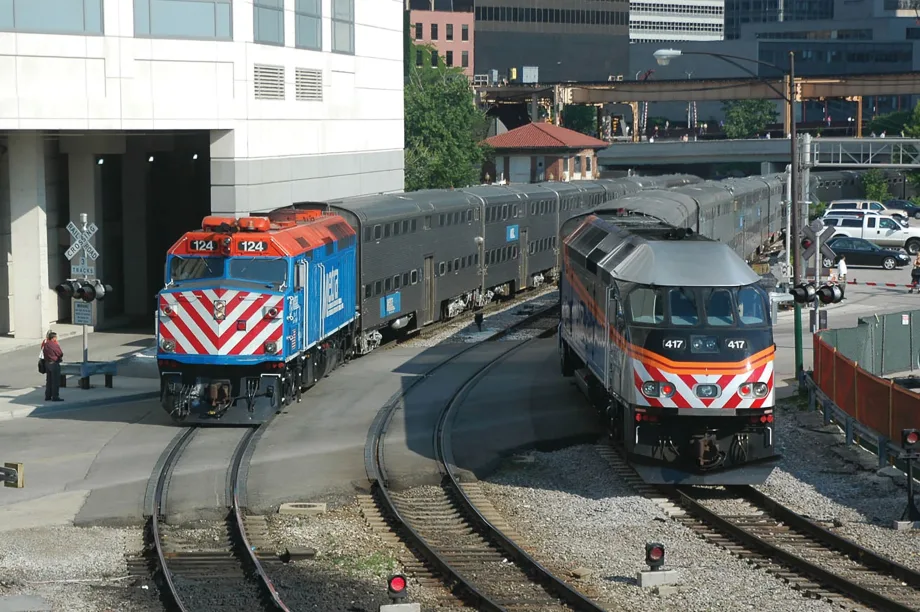
Metra Police have had a drone unit for several years, using both tethered and piloted drones that require officers on-site to operate.
Metra
- Metra has initiated a pilot project using drones aimed at enhancing safety and security measures.
- The project is supported by a $620,000 grant from FEMA’s Transit Security Grant Program.
- This initiative focuses on protecting critical transit infrastructure and ensuring public safety.
*Summarized by AI
Chicago’s Metra Police launched a new pilot program using remotely operated drones to monitor its rail lines and facilities, improving safety and security throughout the system and reducing response times to critical incidents along the railroad.
“When an incident occurs along the railroad, our response times can be hampered by street traffic and distance,” said Metra Executive Director/CEO Jim Derwinski. “These drones and their expanded capabilities allow us to quickly get eyes on the scene and accurately assess the situation, so law enforcement, employees, and partner agencies can respond safely and effectively. They can also be used to assist our partners at CTA and Pace during service disruptions and security incidents if they are within range of our drones.”
The project is funded through a $620,000 grant from FEMA’s Transit Security Grant Program (TSGP), which provides transit agencies with funding for projects intended to protect critical transportation infrastructure and the traveling public.
Metra’s Drone Pilot
Under the pilot program, Metra has purchased three Beyond Visual Line of Sight (BVLOS) drones and stationed them at its 18th Street Yard facility on the Metra Electric Line and its Western Avenue Coach Yard. The drones are controlled remotely and monitored by Metra Police officers who are licensed drone pilots.
The drones are equipped with high-definition video, 3-D rendering, and infrared capabilities with a flight range of approximately three miles. When needed, Metra can also share drone visuals with first responders, partner agencies, and the more than 100 communities Metra serves, agency officials said.
Metra Police have had a drone unit for several years, using both tethered and piloted drones that require officers on-site to operate.
The drone program has helped Metra Police transform incident response operations by collecting data, saving time, and providing responders with a livestream of the scene. They have also been deployed to monitor crowds during large events and improve safe crowd management at our facilities.
The drones tested under the new pilot program are operated remotely, therefore, enabling even faster responses and assessment capabilities.
Leveraging Tech to Improve Safety
Leveraging technology to improve safety for Metra’s passengers, employees, and the community aligns with Northern Illinois Transit Authority’s mandate to improve public safety and coordinate incident response across the Chicago region’s public transit network, said Metra officials.
The agency added that it also envisions using these drones to assist with infrastructure inspections, emergency response training, parking lot and station capacity inspections, storm damage assessments, and more.
Metra has already applied for another round of TSGP funding to expand the drone network to additional sections of the railroad, with the initial focus on trespassing “hot spots,” rail yards, and construction sites.
Quick Answers
The purpose is to boost safety and security by protecting critical transportation infrastructure and the traveling public.
*Summarized by AI
More Rail
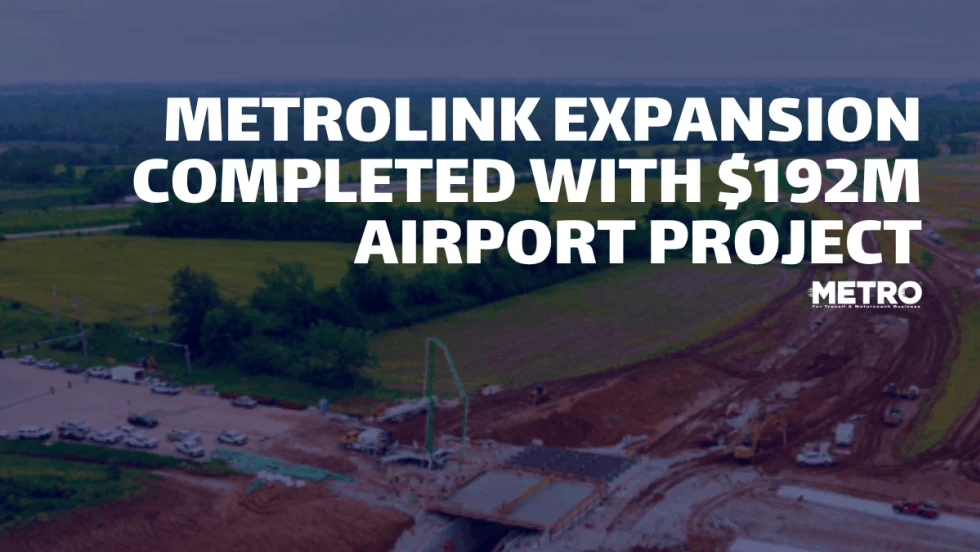
First Full MetroLink Rail Expansion Completed in 20 Years with $192M Airport Project
The project links two St. Louis-area airports by light rail while adding roadway and bike trail connections to improve regional access and mobility.
Read More →
Utilimarc Launches SmartReplace to Optimize Fleet Replacement Decisions
AI-powered SmartReplace helps fleets prioritize vehicle replacements, model budget scenarios, and build more defensible long-term strategies.
Read More →
Scenes from APTA TRANSform & EXPO 2026
Transit leaders, manufacturers, and industry professionals gathered in Chicago to explore new technologies, share ideas, and discuss the future of public transportation.
Read More →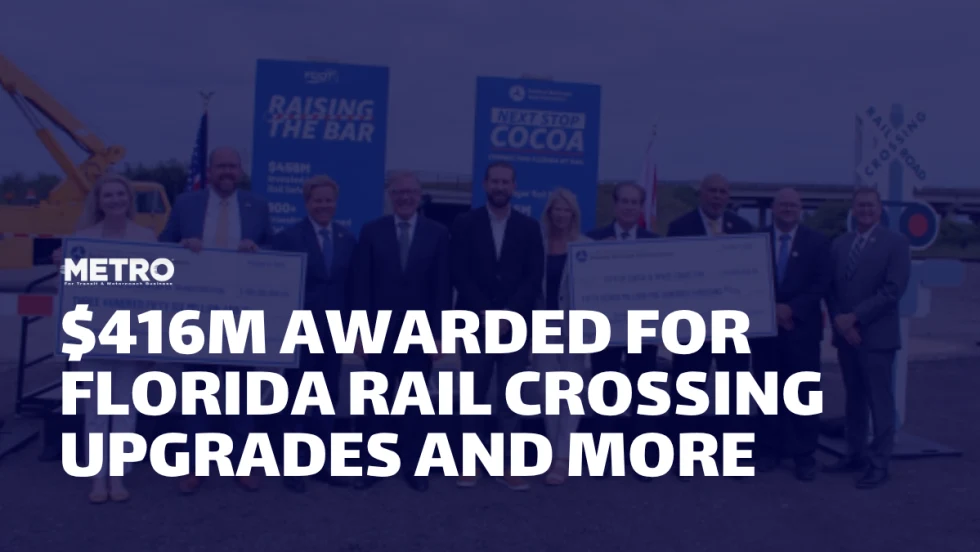
USDOT Awards $416 Million for Florida Rail Crossing Safety Upgrades, New Brightline Station
The projects aim to reduce risks for motorists and pedestrians at rail crossings while expanding passenger rail access along Florida’s Space Coast.
Read More →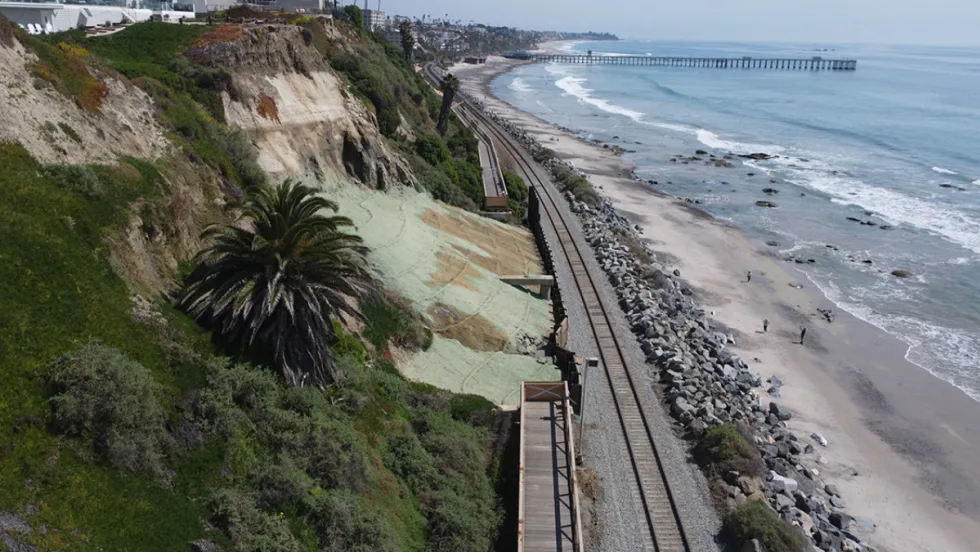
OCTA Declares Emergency to Protect Rail Corridor From Coastal Erosion
The California agency is accelerating shoreline protection and plans to place approximately 690,000 cubic yards of sand along the San Clemente coast to protect a key passenger and freight rail link.
Read More →
More Than a Summer Job: Building the Next Generation of Transit Talent
The Delaware River Port Authority and PATCO have transformed their internship program into a hands-on professional development experience that introduces students to the breadth of transportation careers — and creates a pipeline for future employees.
Read More →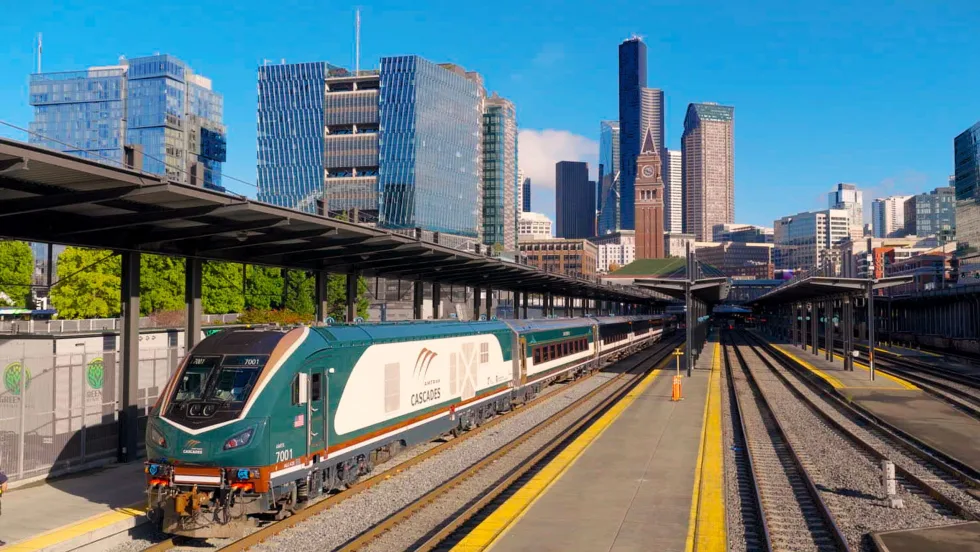
Airo Trains Make Their Amtrak Cascades Debut in the Pacific Northwest
Effective immediately, two cutting-edge Airo trainsets will join the Amtrak Cascades route, operating four daily trips between Vancouver, B.C., Seattle, Portland, and Eugene, Oregon, marking the first introduction of Airo trains into passenger service anywhere in the country.
Read More →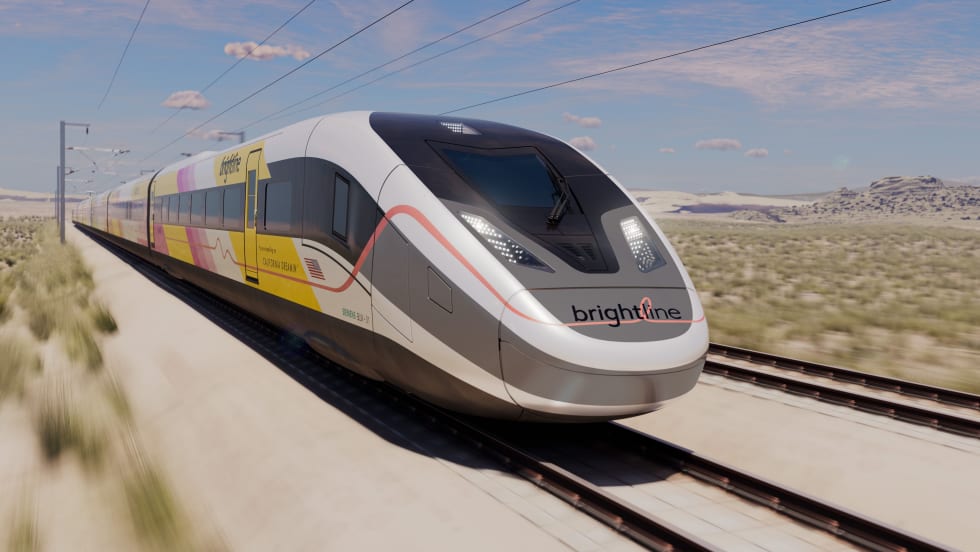
Florida's Brightline Announces Financial Restructuring
Brightline Florida says train operations will continue as normal as certain parent entities enter Chapter 11 and financial stakeholders provide $490 million in new long-term capital.
Read More →
ENC Lands MATA Contract and More in Biz Briefs
In this edition of Biz Briefs, we spotlight the latest developments shaping the future of mobility.
Read More →
Strada360’s Steve Lassey on Turning Transit Data Into Better Decisions
From breaking down data silos to preparing for AI, Strada360 CEO Steve Lassey discusses how transit agencies can use technology to improve operations, customer information, and long-term decision-making.
Read More →