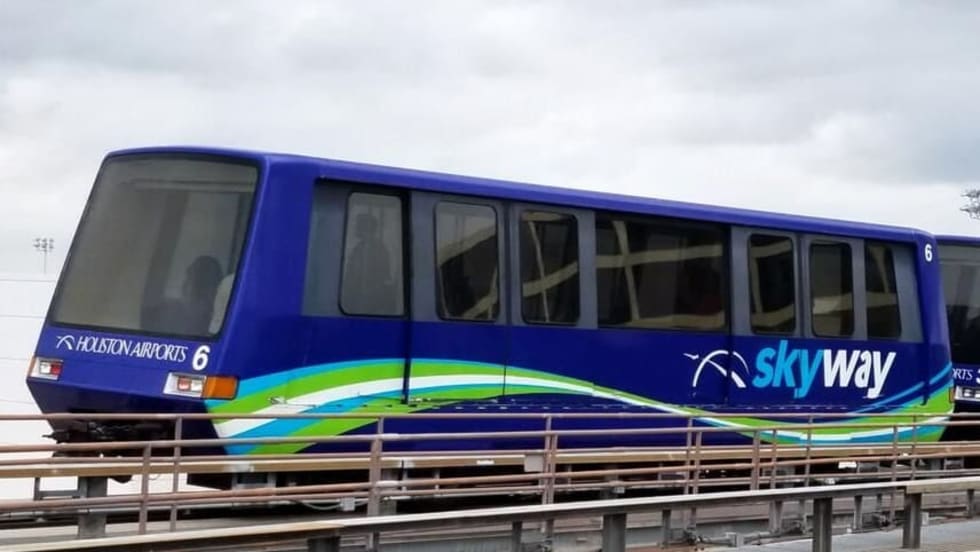
Maxwell Technologies Inc., a developer and manufacturer of ultracapacitor-based energy storage and power delivery solutions, announced the first commercial application of lithium-ion capacitors, developed in conjunction with China Railway Rolling Stock Corp. (CRRC-SRI), China’s largest rail manufacturer.
The technology will be used for rapid-energy regeneration in the trolley system in the capital city of Hunan province in China. Following last year’s announcement of Maxwell’s strategic partnership with CRRC-SRI to collaborate on developing next-generation capacitive energy storage solutions, this project is the first to leverage Maxwell’s new lithium-ion technology and validates its unique value proposition for rail applications.
CRRC-SRI will leverage lithium-ion capacitors for the Changsha Subway in Changsha, Hunan, as the single source of power for instant charging and discharging to propel the trolley. Lithium-ion capacitors can charge light rail vehicles in 30 seconds and keep them going for five to 10 minutes, ensuring the trolley will be able to restart quickly in constant stop-and-go traffic. The technology fulfills China’s rail requirements for energy savings and environmental protection.
Maxwell’s lithium-ion capacitors combine ultracapacitors’ high power density with lithium-ion batteries’ high energy density for onboard energy storage systems. Compared to traditional ultracapacitors, lithium-ion capacitors triple energy density and reduce the total weight of the energy storage system by 50%.
“The commercial use of lithium-ion capacitors represents a transformation in the energy storage industry and a significant opportunity for Maxwell to revolutionize the way power is distributed in rail applications in China,” said Dr. Franz Fink, president/CEO of Maxwell Technologies. “Maxwell’s lithium-ion capacitors are the perfect solution for the growing rail market. As demand for energy storage solutions increases, we believe there is a large opportunity to use the technology in even more applications, such as grid firming, wind pitch control and robotics, to drive future revenue growth.”
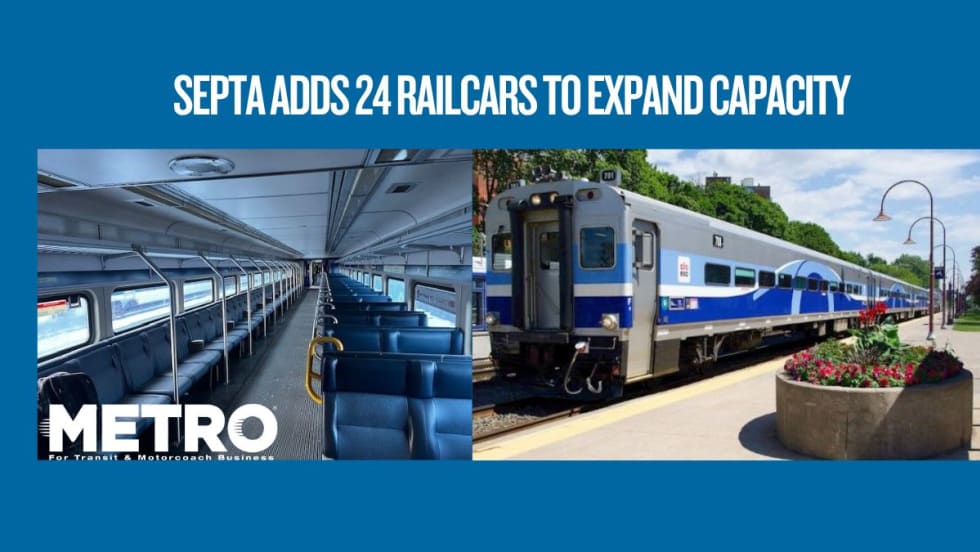
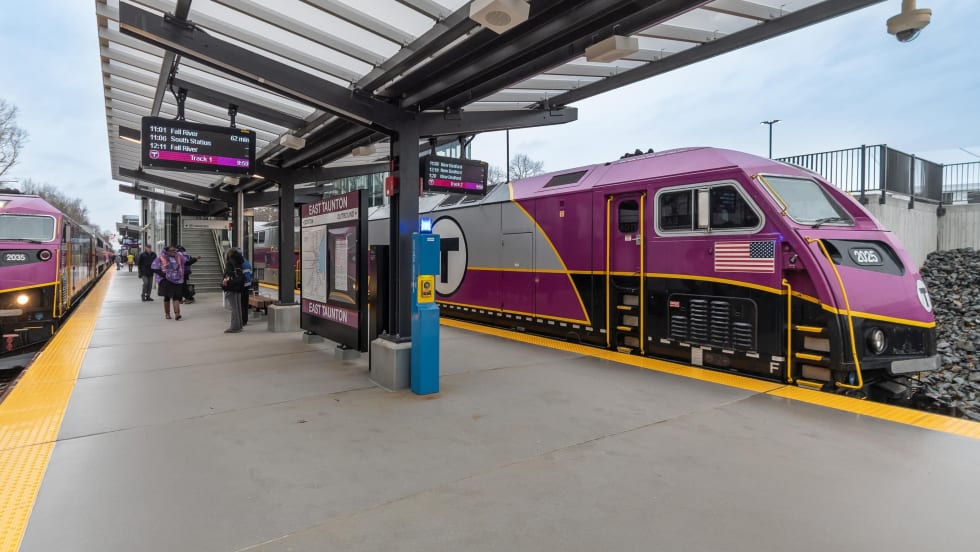
Funding for the purchase of the railcars comes from the nearly $220 million in additional capital dollars Gov. Josh Shapiro allocated in November 2025 to support urgent safety upgrades and infrastructure improvements.
With major events and increased travel expected across the state this summer, the Administration is focused on making sure people have a reliable, affordable alternative to driving so we can reduce congestion, support daily commuters, and keep Massachusetts moving.
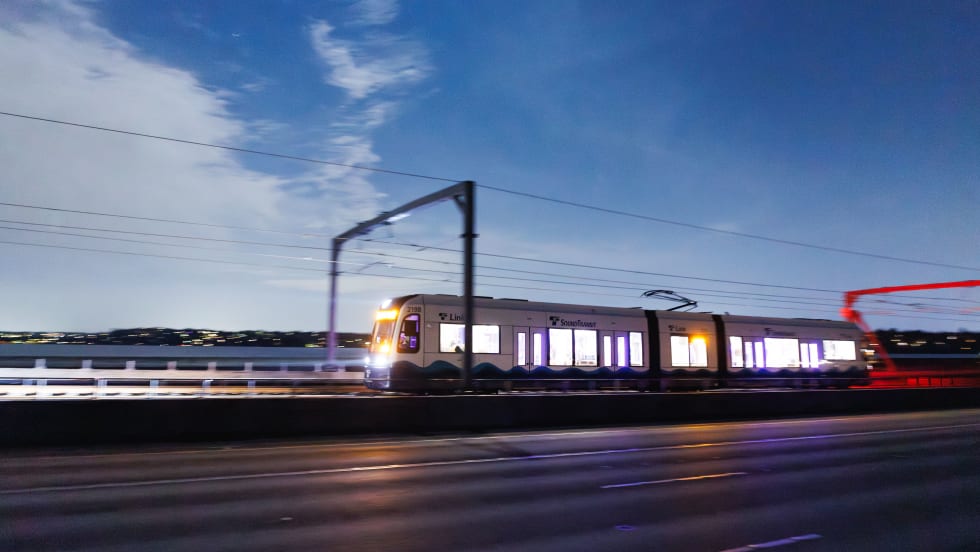
The final seven-mile segment of the 2 Line includes new stations at Mercer Island and Judkins Park and connects to the 1 Line at the International District/Chinatown Station. The Link light rail system now spans 63 miles and includes 50 stations.
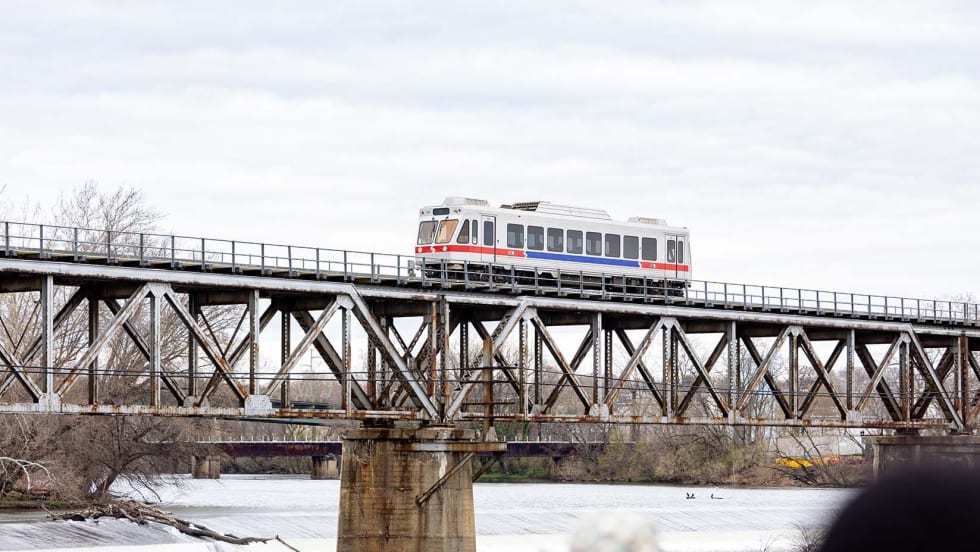
From March 29 through May 9, shuttle buses will replace train service between Bridgeport Station and Norristown Transit Center. Train service will operate as normal between Bridgeport Station and 69th Street Transit Center.
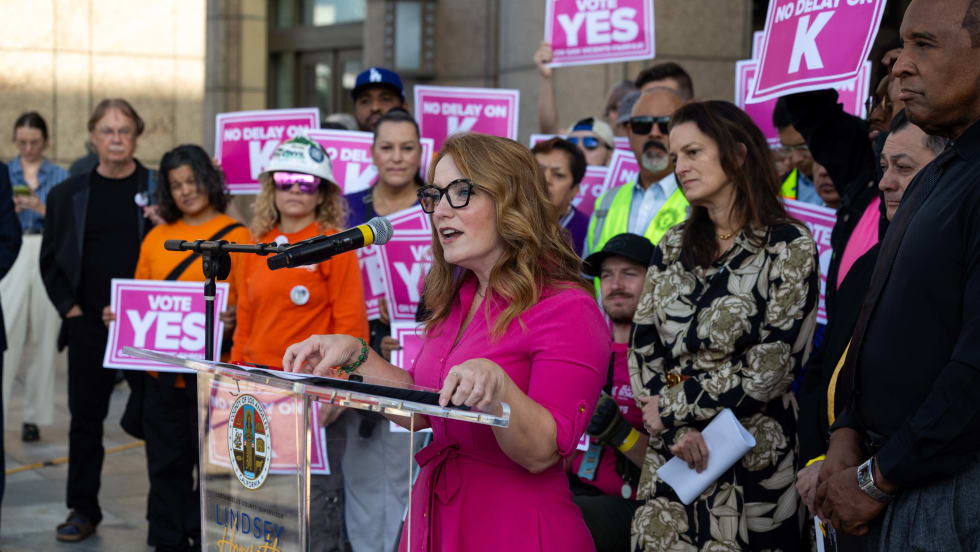
Nadine S. Lee, who has served as president/CEO since July 2021, said the decision comes after careful reflection on the agency’s progress and its path forward.
In this edition of Biz Briefs, we highlight the latest developments shaping the future of mobility — from manufacturers and technology providers to transit agencies and motorcoach service operators.
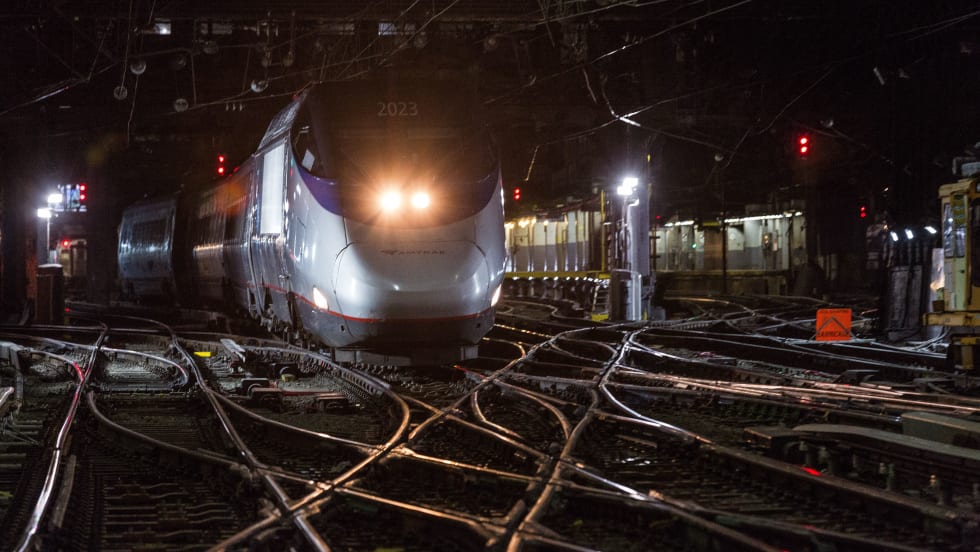
As part of the contract, the AECOM-LiRo NYPennT Joint Venture will work with Amtrak and the selected Master Developer to completely transform Penn Station, improving safety and operational efficiency, making the system more family-friendly, accommodating increased train and passenger capacity, and delivering a world-class experience to its growing passenger base, according to Amtrak officials.