N.Y. bus tracking service to provide time-based bus arrival info
Time-based estimates take into consideration multiple factors that can affect the arrival time of a bus, such as its schedule, historical travel times over the same distance in the month prior, and current traffic conditions. If those conditions change, MTA Bus Time™ automatically updates the prediction.
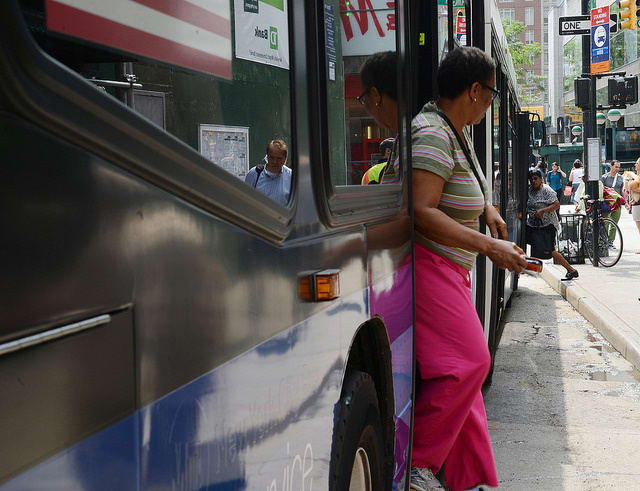
Starting next month, MTA New York City Transit’s live bus tracking service, MTA Bus Time™ will offer a new feature that provides time-based bus arrival estimates in addition to distance-based information at any given stop citywide, allowing customers to see when their bus will arrive and to help them plan their trips more efficiently.
On Sunday, Oct. 4, MTA Bus Time™ will be available as a desktop service on the MTA website and as a free downloadable app for iOS and Android smartphones that was launched in June. As part of that launch, the MTA significantly improved the service by offering user-friendly features such as a map-based street grid view that shows buses moving in real time, automatic displays of nearby bus routes, and time-based arrival estimates that were available to Bronx bus routes only.
The citywide rollout of the time-based bus arrival estimates feature comes after four months of positive feedback from customers who had been using it for Bronx routes. The MTA had designed the time-based estimates feature in house, with the goal of offering the data to bus routes system-wide. The real-time data also will be made available to third-party developers.
The new feature allows customers to make better informed decisions about their travel times and itineraries by giving them a time-based estimate of a bus’s arrival at a queried stop. Previously, MTA Bus Time™ users tracked buses based on distance between a queried bus and the customer’s current location, either as a number of stops away or a distance in miles. Time-based estimates take into consideration multiple factors that can affect the arrival time of a bus, such as its schedule, historical travel times over the same distance in the month prior, and current traffic conditions. If those conditions change, MTA Bus Time™ automatically updates the prediction.
In addition to the app, MTA Bus Time™ is available on any web-enabled smartphone or desktop computer at bustime.mta.info; on a cell phone through text messaging 511123 with a bus route code or intersection information; or on a smartphone with a QR code reader by scanning the bus stop’s QR code.
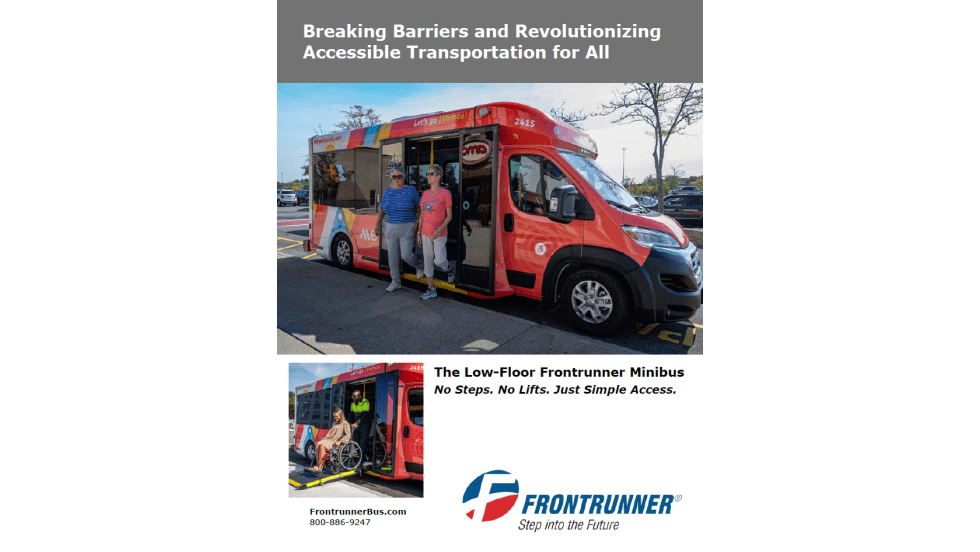
Accessible transit isn’t a feature—it’s a responsibility. This whitepaper explores how the Low-Floor Frontrunner is redefining mobility with a breakthrough design that removes barriers, empowers riders, and delivers measurable operational advantages for agencies. Discover why this next generation minibus is setting a new standard for inclusive transportation.
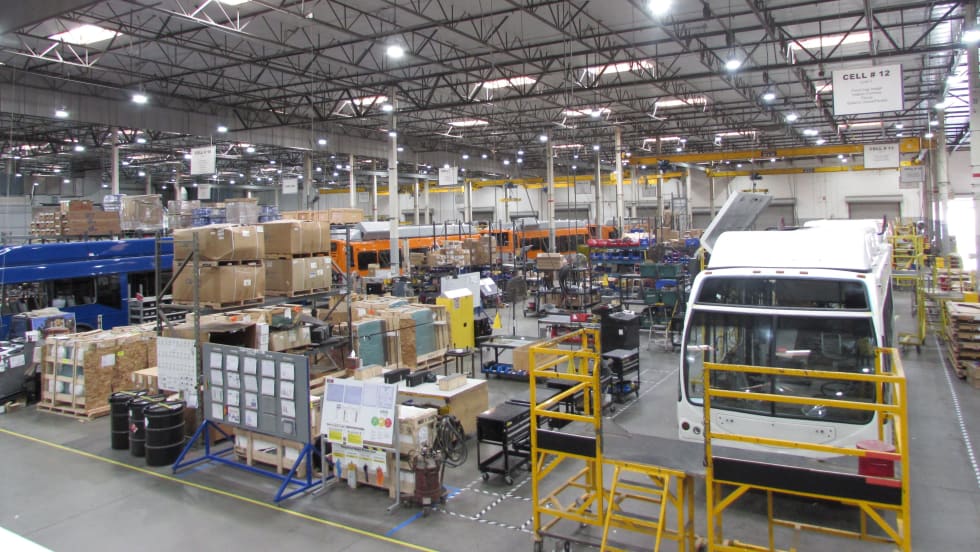
SEPTA was awarded $43 million in competitive grant funding from the FTA's FY25 Low and No Emission and Bus and Bus Facilities grant programs to support this procurement.
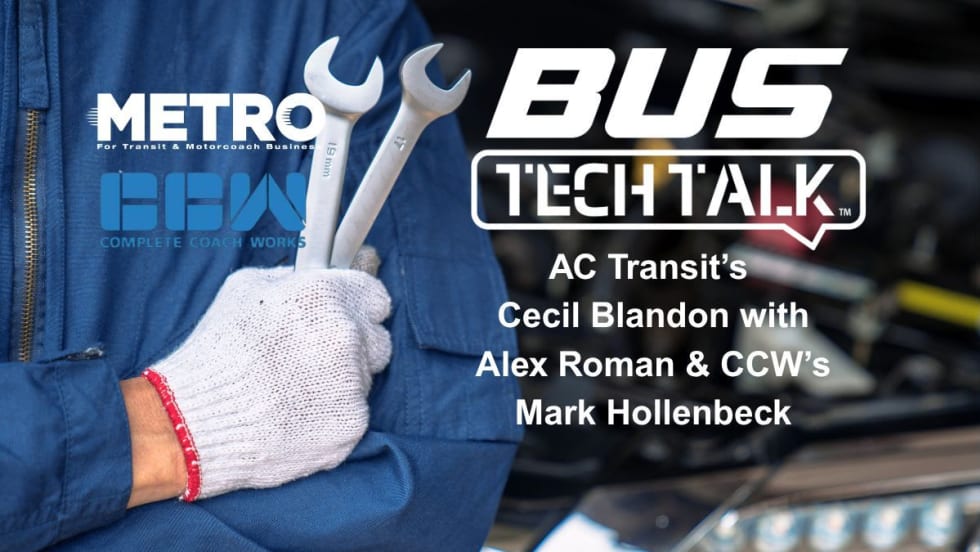
In part 1 of a two-part conversation, AC Transit’s director of maintenance joins co-hosts Alex Roman and Mark Hollenbeck to discuss his journey from the U.S. Marines to public transit and the role mentorship plays in developing the next generation of industry leaders.
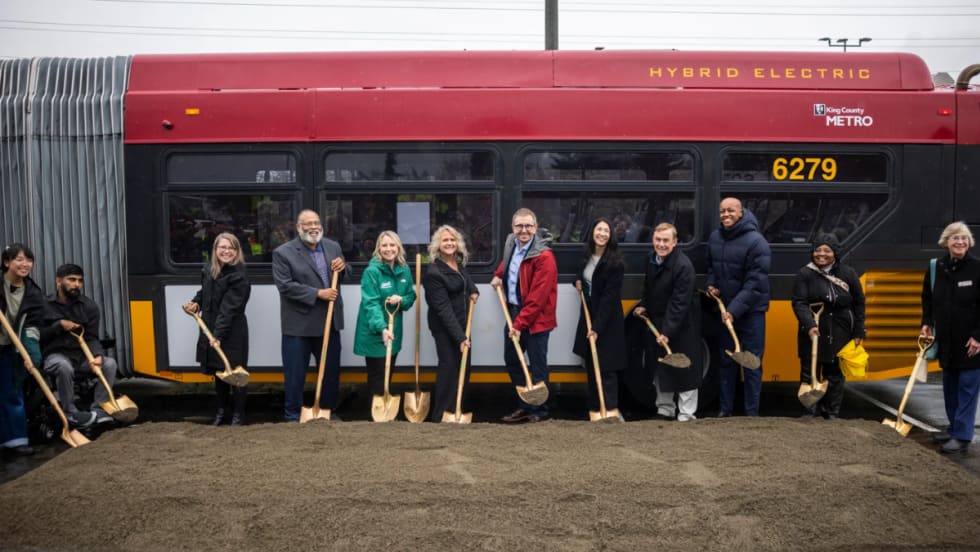
When construction is complete, battery-electric buses will operate from the Arborway facility on Day One, providing cleaner, quieter, and more reliable service for riders, the MBTA said. After completion, the old facility will be demolished, and the land will be made available for redevelopment.
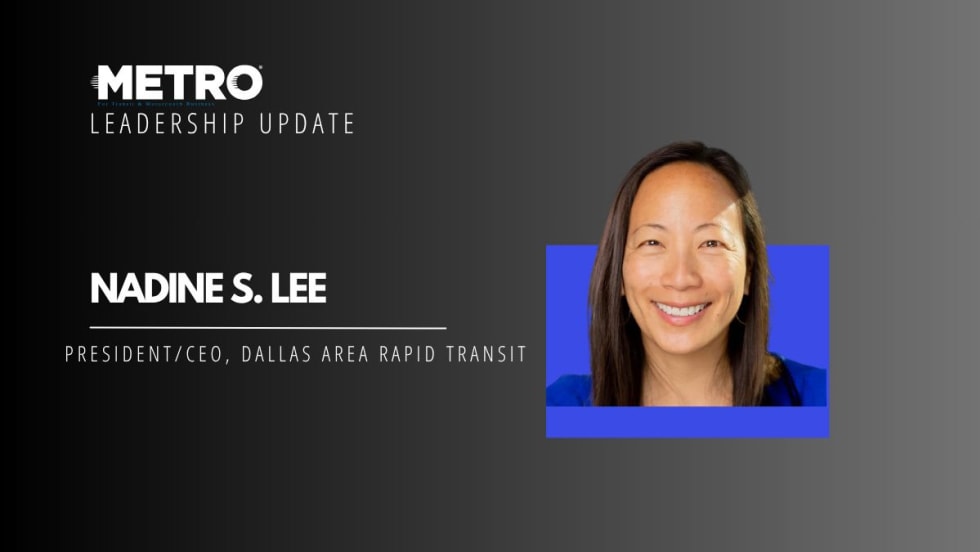
Nadine S. Lee, who has served as president/CEO since July 2021, said the decision comes after careful reflection on the agency’s progress and its path forward.
In this conversation, TBC’s Executive Director Ed Redfern, President Corey Aldridge, and Washington Representative Joel Rubin outline the coalition’s key policy priorities, the challenges facing transit agencies, and how industry stakeholders can work together to strengthen the voice of bus transit at the federal level.
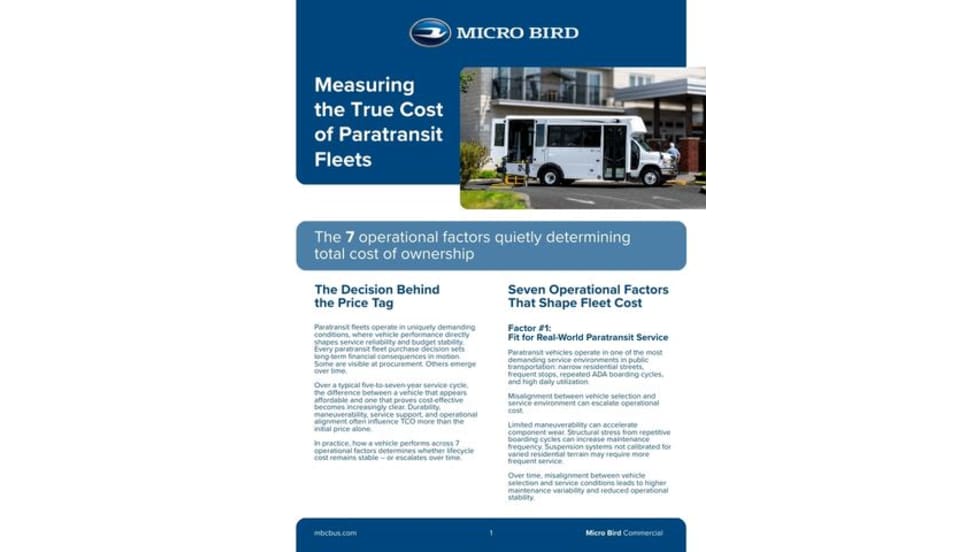
What truly drives the cost of a paratransit fleet? Beyond the purchase price, seven operational factors quietly determine maintenance frequency, downtime, and long-term service reliability. This whitepaper explores how these factors shape lifecycle cost and what agencies should evaluate when selecting paratransit vehicles.
In this conversation, TBC’s Executive Director Ed Redfern, President Corey Aldridge, and Washington Representative Joel Rubin outline the coalition’s key policy priorities, the challenges facing transit agencies, and how industry stakeholders can work together to strengthen the voice of bus transit at the federal level.