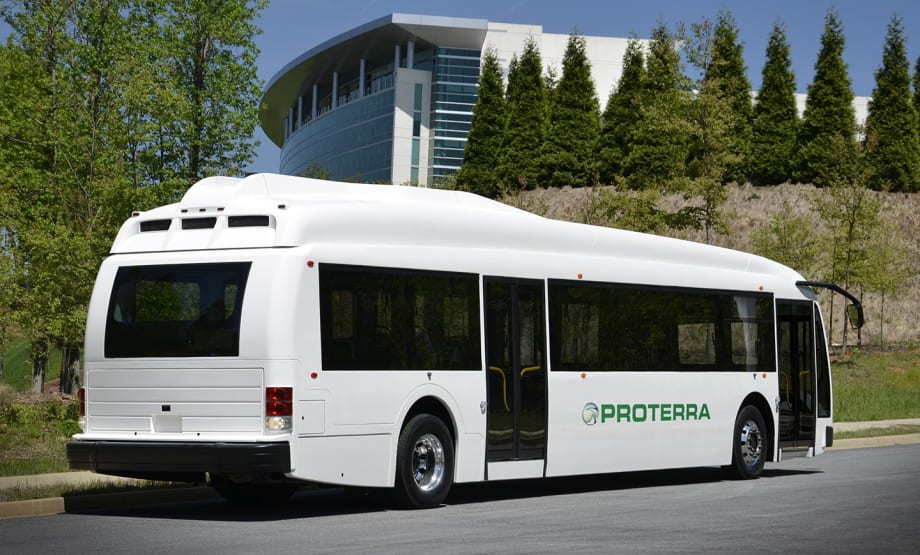
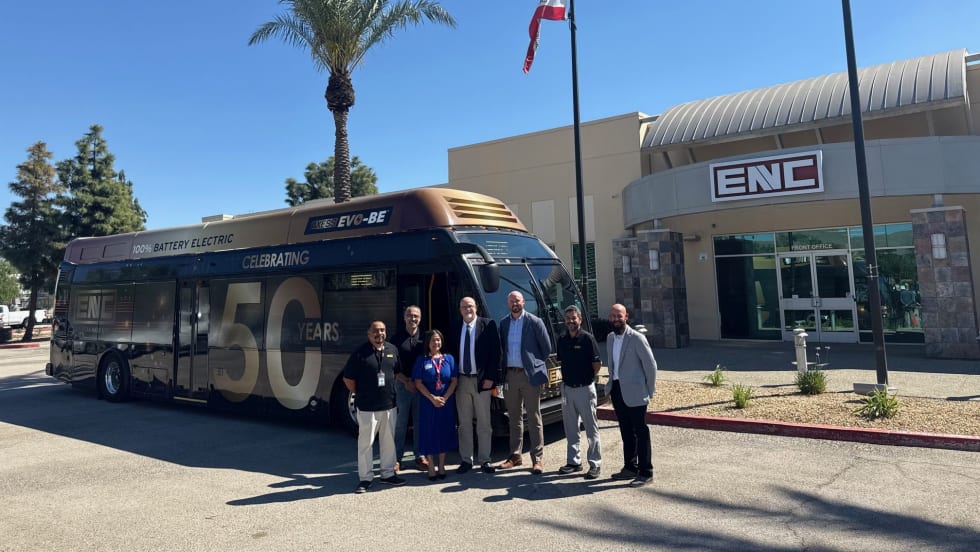
Leading battery-electric transit bus manufacturer Proterra Inc. has announced the first sale of its second-generation EV bus to Foothill Transit of West Covina, Calif.
Foothill Transit became Proterra’s first customer and the first agency in the U.S. to operate EV buses in revenue service in 2010. Based on the sustainability, fuel savings and proven performance of those buses, Foothill Transit has agreed to purchase two more buses from Proterra, moving the agency closer to its goal of expanding electric bus service into other lines.
Offering the highest fuel efficiency and lowest cost per passenger mile of any bus currently on the market, this new model also features a fast-charge system that keeps the bus on the road with no requirement to take them out of service for long charging periods, one-step access for ease-of-maintenance and industry-leading ergonomics, according to the company.
“These buses are a much needed innovative step for our region,” said Doug Tessitor the chair of the Foothill Transit Executive Board. “These vehicles are part of our commitment to sustainability and clean air. We want our communities, our neighbors, to be proud of their public transit system. These new buses will debut here first and we’re very excited to see them on the road.”
With battery-electric transit buses currently in use in cities across the country, Proterra leads the growing EV bus market and has incorporated key learnings from its nearly 500,000 miles in revenue service into this new model to improve upon the previous model’s proven performance.
“Always a visionary and agent of positive change, Foothill Transit was our first customer and has led the way in helping us commercialize electric vehicle (EV) technology for urban transit,” said Ryan Popple, CEO, Proterra Inc. “Innovation doesn’t happen in a vacuum; it requires partnership. Proterra understands the unique needs of the transit industry, and we are proud of the strong partnerships we have developed with agencies like Foothill Transit and pleased with the positive results these partnerships have already achieved in terms of reducing energy costs and minimizing environmental impact.”
Expected delivery of the new 40-foot electric buses is December 2014.
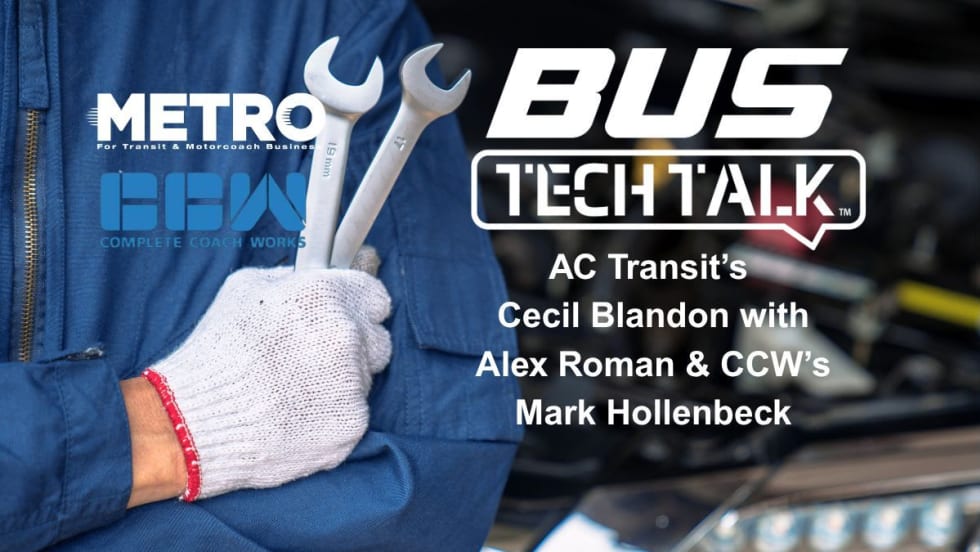
In Part 1, Blandon shares his journey from the U.S. Marines to a leadership role in public transit, along with insights on mentorship and professional growth within the industry.
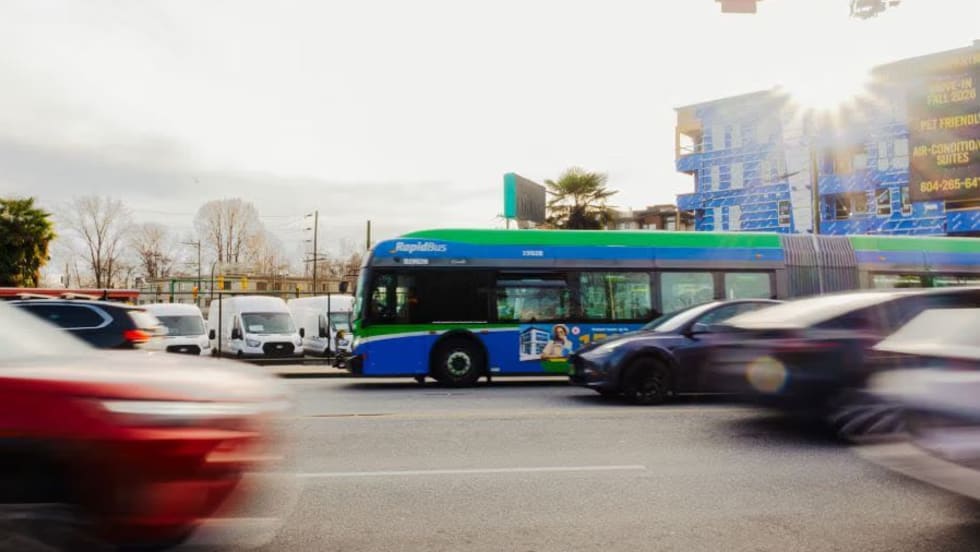
Funded through the 2025 Investment Plan, the new R2 Marine–Willingdon RapidBus is expected to begin service in September, more than three months ahead of schedule.
Complete Parts features new branding with a new logo, a new contact telephone number, a dedicated order desk, enhanced processes and inventory, all designed to provide the parts bus operations need.
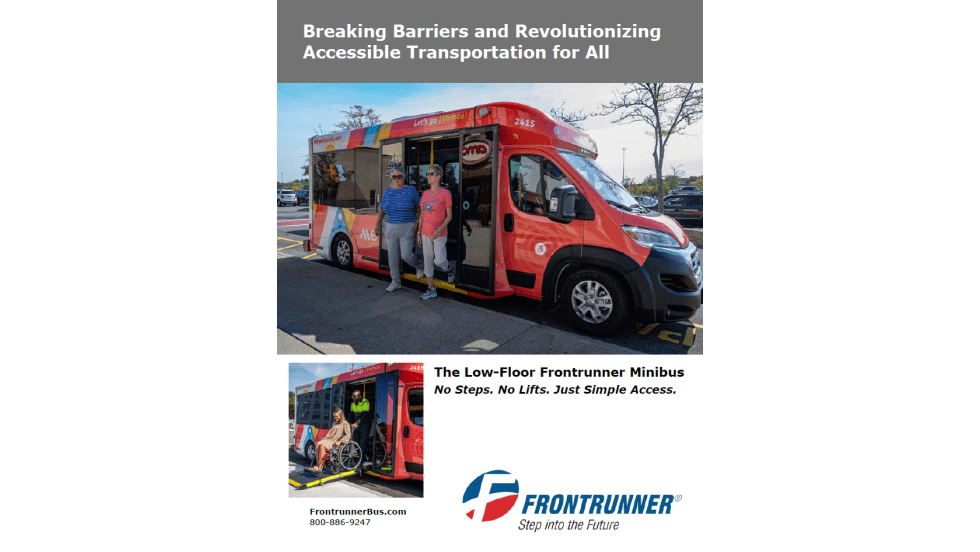
Accessible transit isn’t a feature—it’s a responsibility. This whitepaper explores how the Low-Floor Frontrunner is redefining mobility with a breakthrough design that removes barriers, empowers riders, and delivers measurable operational advantages for agencies. Discover why this next generation minibus is setting a new standard for inclusive transportation.
SEPTA was awarded $43 million in competitive grant funding from the FTA's FY25 Low and No Emission and Bus and Bus Facilities grant programs to support this procurement.
In part 1 of a two-part conversation, AC Transit’s director of maintenance joins co-hosts Alex Roman and Mark Hollenbeck to discuss his journey from the U.S. Marines to public transit and the role mentorship plays in developing the next generation of industry leaders.
When construction is complete, battery-electric buses will operate from the Arborway facility on Day One, providing cleaner, quieter, and more reliable service for riders, the MBTA said. After completion, the old facility will be demolished, and the land will be made available for redevelopment.
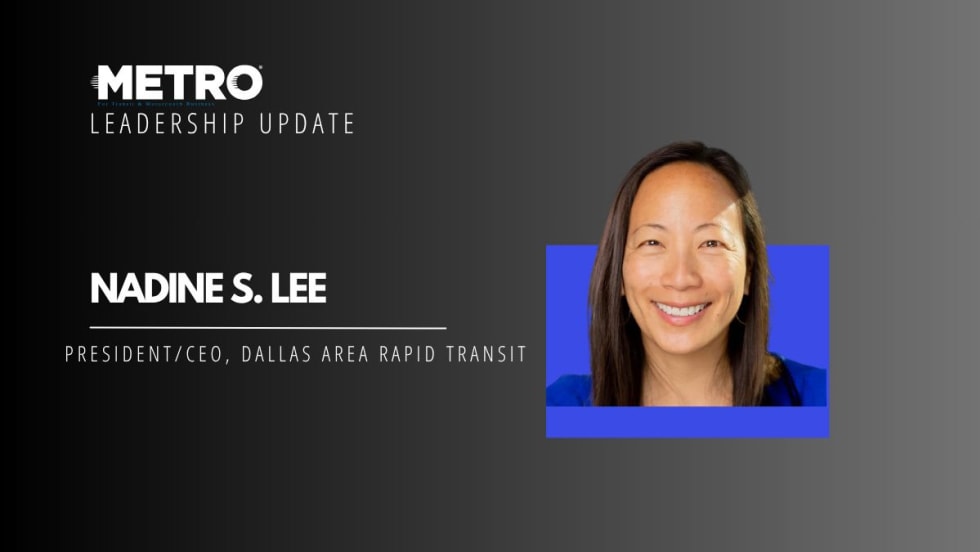
Nadine S. Lee, who has served as president/CEO since July 2021, said the decision comes after careful reflection on the agency’s progress and its path forward.
In this conversation, TBC’s Executive Director Ed Redfern, President Corey Aldridge, and Washington Representative Joel Rubin outline the coalition’s key policy priorities, the challenges facing transit agencies, and how industry stakeholders can work together to strengthen the voice of bus transit at the federal level.