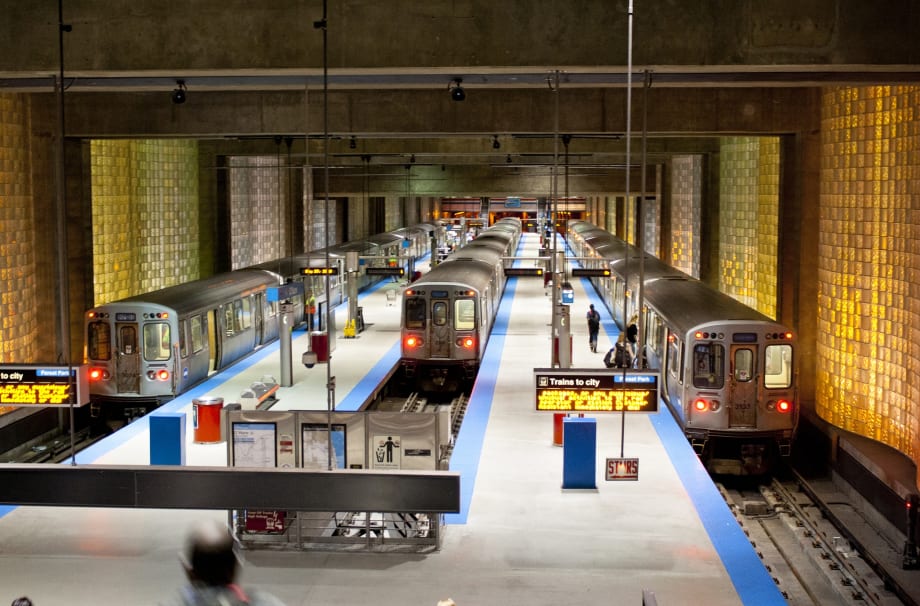
Photo CTA Web via Flickr
Chicago area's Regional Transportation Authority (RTA) joins the more than 37 million Americans with disabilities in celebrating the 24th anniversary of the Americans with Disabilities Act. The law, signed by President George H.W. Bush on July 26, 1990, guarantees equal opportunity for people with disabilities in public accommodations, commercial facilities, employment, transportation, state and local government service and communications.
The RTA region’s transit system offers a variety of accessibility features. Many riders are likely aware of some of them which include accessibility of most CTA and Metra rail stations; buses and trains making automated stop and route announcements; Pace and CTA operating “low floor” buses equipped with ramps for easy boarding; and CTA Real-Time Train Tracker signs throughout the CTA “L” system.
Over the past few years, the RTA has awarded federal dollars to the CTA, Metra and Pace to fund a variety of accessibility features in the region’s transit system.
Highlights include:
1. The RTA awarded federal and RTA funds to Pace to install concrete pads and connections to accessible paths at 65 Pace bus stops. This work is complete throughout the region.
Ad Loading...
2. The RTA awarded federal funds to the City of Chicago to reimburse taxicab companies for the cost of purchasing wheelchair accessible taxis, or converting existing taxis to accessible taxis. It’s estimated that these funds could result in 133 more accessible cabs in the City.
3. The RTA awarded federal funds to the CTA to produce guides for customers who are blind or have a vision impairment. The guides, currently being designed, will be produced in Braille, plain text, and audio files.
4. The RTA awarded federal and RTA funds to Metra to install Visual Information Systems which are now being designed and will provide display signage that lists real-time information about Metra train service and facilitate greater mobility for people who are deaf or hard of hearing.
Additionally, the RTA, along with the CTA, Metra and Pace, is participating in AccessChicago 2014 this Thursday, July 17, from 10 a.m. to 5 p.m. at Navy Pier. This is the City’s premier event that brings more than 100 of Chicagoland’s top disability-related service providers, product merchandisers, assistive technology suppliers and recreational exhibitors together under one roof. For more information on the event, visit http://tinyurl.com/ngwdncr.
This year, both the CTA and Pace will have buses at the event, so riders can practice boarding buses and using wheelchair securements to become more aware of the accessibility features of the region’s fixed-route system.
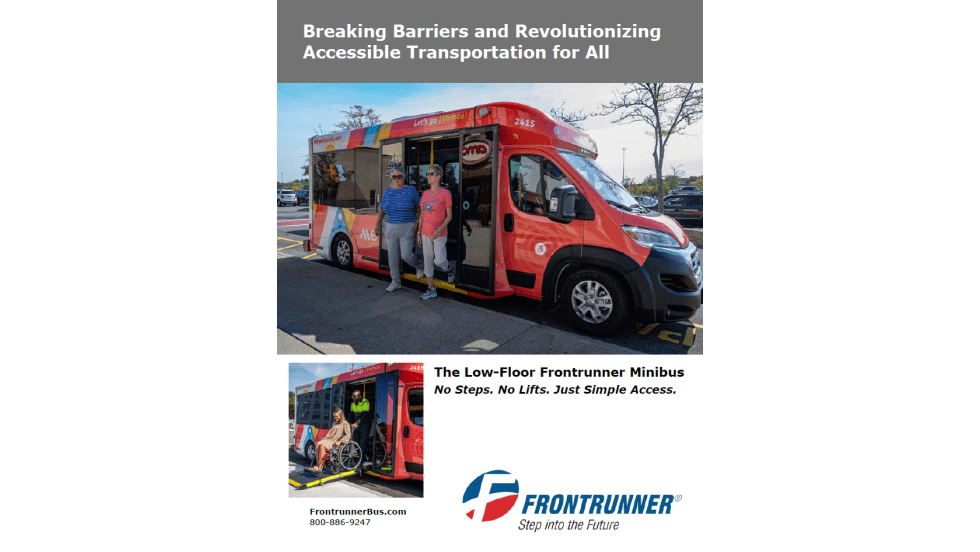
Accessible transit isn’t a feature—it’s a responsibility. This whitepaper explores how the Low-Floor Frontrunner is redefining mobility with a breakthrough design that removes barriers, empowers riders, and delivers measurable operational advantages for agencies. Discover why this next generation minibus is setting a new standard for inclusive transportation.
Nadine S. Lee, who has served as president/CEO since July 2021, said the decision comes after careful reflection on the agency’s progress and its path forward.
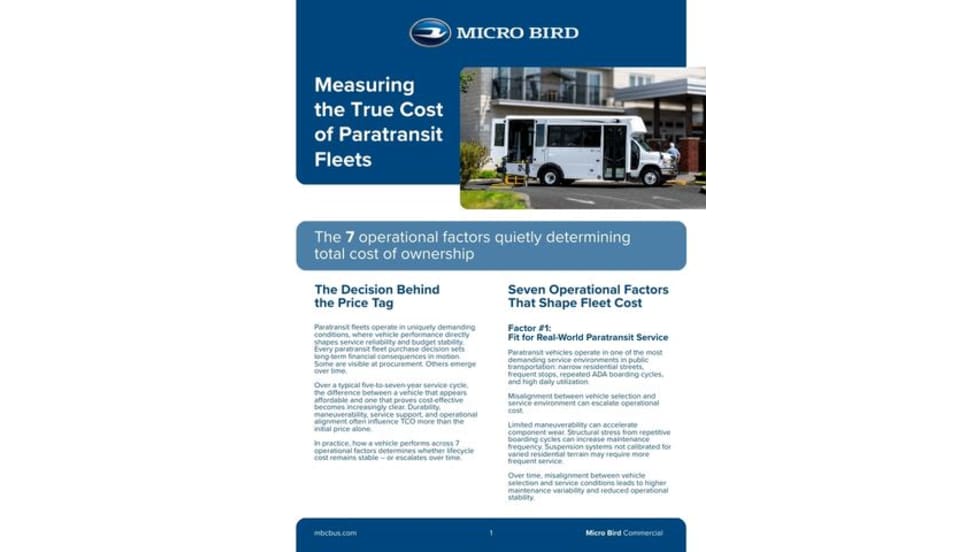
What truly drives the cost of a paratransit fleet? Beyond the purchase price, seven operational factors quietly determine maintenance frequency, downtime, and long-term service reliability. This whitepaper explores how these factors shape lifecycle cost and what agencies should evaluate when selecting paratransit vehicles.
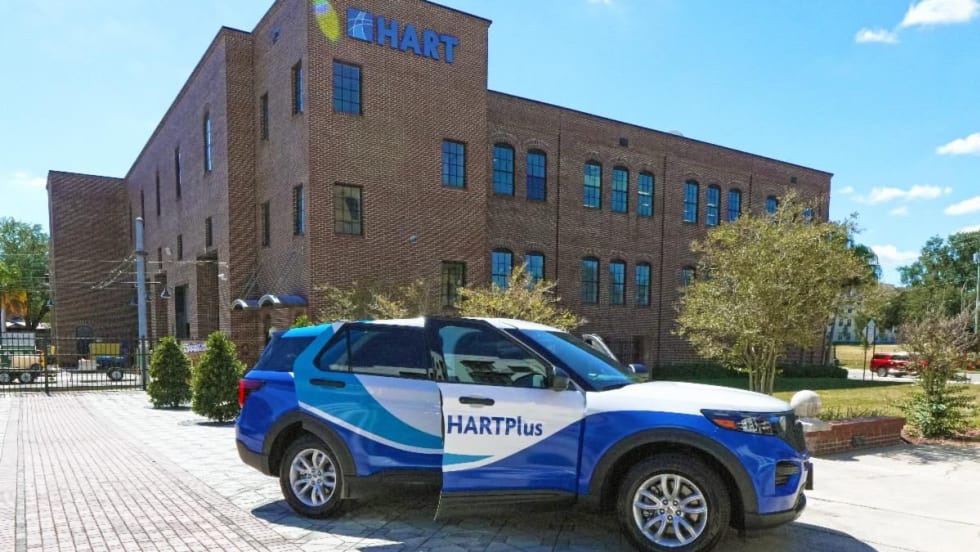
The new HARTPlus SUVs — 2025 Ford Interceptor Utility models — represent a significant step toward modernizing mobility and enhancing service for paratransit riders throughout Hillsborough County.
As the transportation landscape continues to evolve in the wake of the pandemic, few manufacturers have faced, or embraced, change as decisively as Forest River Bus.