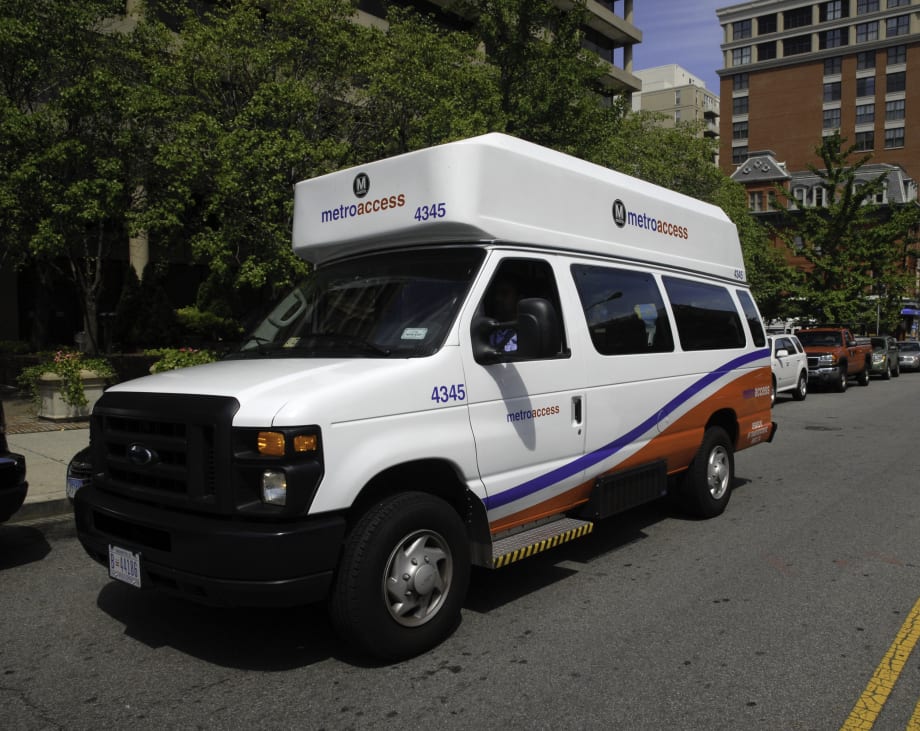
D.C. Metro shifts paratransit contract model to improve service quality
The contracts provide a new approach for determining when a paratransit vehicle is “late," as the contractor managing the scheduling and dispatching functions will share performance incentives and disincentives with the contractors delivering the service to customers.
Using a new business model that created three categories for proposals, the contracts are within Metro’s current budget and will be awarded to Veolia Transportation ($36.46 million), First Transit ($22.07 million) and Diamond Transportation ($9.79 million) for service delivery; to MV Transportation ($14.61 million) for managing the MetroAccess Call Center; and to MTM ($2.55 million) for management of an independent quality assurance function. All contract awards will be for five years, with a renewal option for an additional five years.
The contracts provide a new approach for determining when a paratransit vehicle is “late," as the contractor managing the scheduling and dispatching functions will share performance incentives and disincentives with the contractors delivering the service to customers.
Ad Loading...
Additionally, disincentives for “excessive” lateness are strengthened in the new contracts. Trips that are delivered 20 minutes past the scheduled arrival time trigger the disincentive versus the previous standard of 30 minutes.
The contracts also provide stronger disincentives for service that drops below 90% on-time, as well as incentives for service providers that exceed reliability standards. To ensure better compliance with customer service standards, Metro will employ a separate contractor to monitor quality assurance from the companies delivering service.
The contract awards mark the conclusion of a competitive process, which began with the issuance of a request for proposals in June 2012. The proposals were judged on a “best value” basis, meaning that both technical merit and price were considered, but with the greater emphasis on quality. All successful proposers will have local management for their portion of the contracted service.
In addition to the service contracts, Metro will continue to fund vehicles, fuel, and insurance to provide paratransit service at a total cost of approximately $50 per passenger. Metro Transit Police will conduct fingerprint criminal background checks on all customer facing employees of the five contractors. Metro’s Access Services staff will manage the contracts, conducting fleet inspections, monitoring service on the street, and managing technology and scheduling efficiencies.
RELATED ARTICLE: Read our 2012 Paratransit Survey, here.
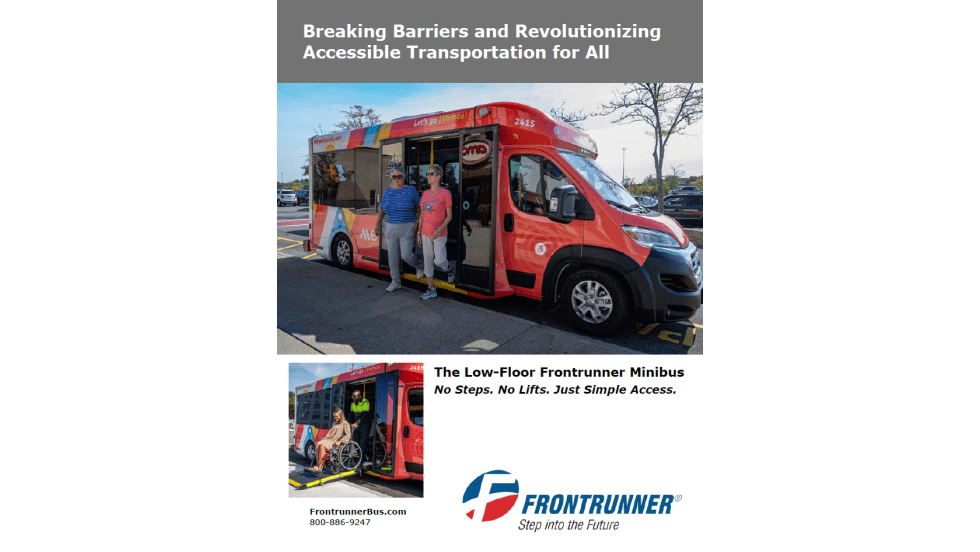
Accessible transit isn’t a feature—it’s a responsibility. This whitepaper explores how the Low-Floor Frontrunner is redefining mobility with a breakthrough design that removes barriers, empowers riders, and delivers measurable operational advantages for agencies. Discover why this next generation minibus is setting a new standard for inclusive transportation.
Nadine S. Lee, who has served as president/CEO since July 2021, said the decision comes after careful reflection on the agency’s progress and its path forward.
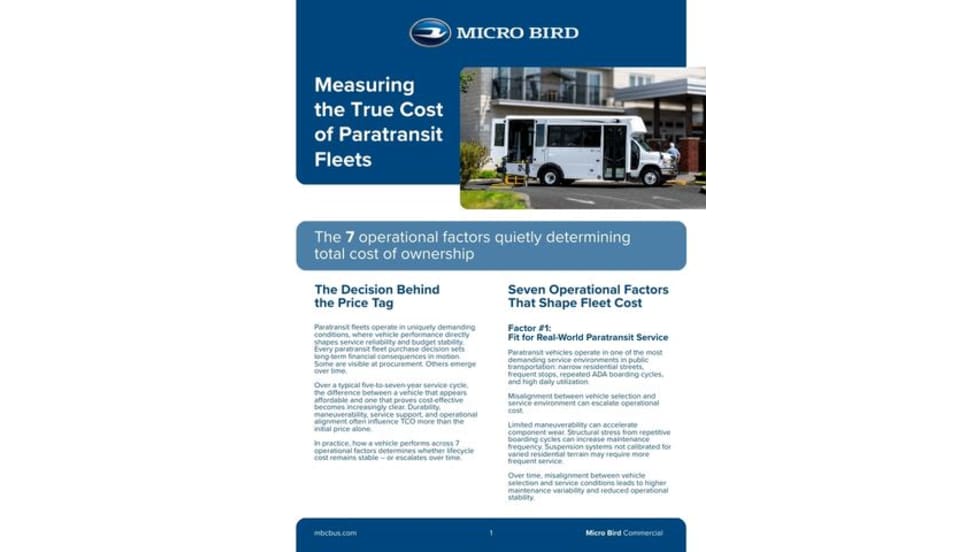
What truly drives the cost of a paratransit fleet? Beyond the purchase price, seven operational factors quietly determine maintenance frequency, downtime, and long-term service reliability. This whitepaper explores how these factors shape lifecycle cost and what agencies should evaluate when selecting paratransit vehicles.
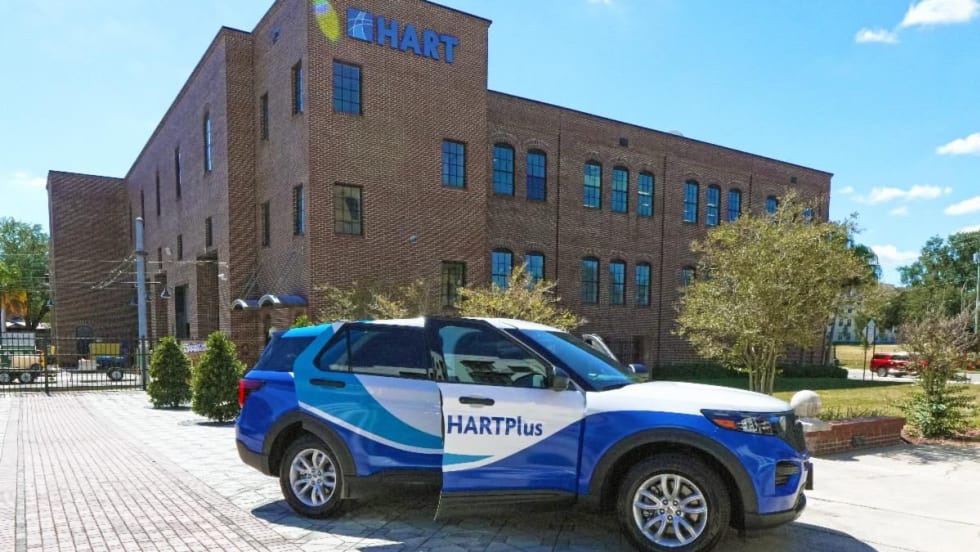
The new HARTPlus SUVs — 2025 Ford Interceptor Utility models — represent a significant step toward modernizing mobility and enhancing service for paratransit riders throughout Hillsborough County.
As the transportation landscape continues to evolve in the wake of the pandemic, few manufacturers have faced, or embraced, change as decisively as Forest River Bus.