




RELATED: Public transit seeks $16 billion in emergency fed funding
Americans turn away from public transit as direct result of COVID-19
Public opinion poll among 1,000 Americans found that 48% feel that riding public transit poses a high health risk due to the virus.
March 23, 2020

2 min to read
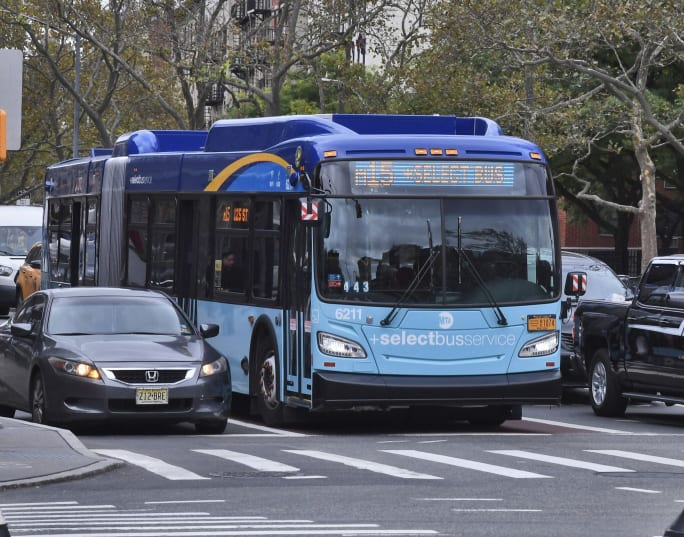
New York City Transit's Select bus service shown. Marc A. Hermann/MTA New York City Transit
As a direct result of COVID-19, Americans are switching their travel habits from public transit to either staying at home or relying more on their cars. Based on a Northstar public opinion poll among 1,000 Americans, which found that 48% feel that riding public transit poses a high health risk due to the virus.
More specifically, between 30-40% of Americans report decreased usage of public transportation (subways, buses and light rail) as a direct result of COVID-19.
"People's movement away from public transit is likely to have long-term consequences," says Jennifer Yellin, SVP and co-lead of Northstar's Transportation Practice. "The implications include lost revenue for public transit authorities, which is ultimately used to upgrade and maintain systems. There is also the potential for increased traffic and congestion on roads, which could result in increased pollution and have longer range environmental impacts. The ultimate question is whether these riders will return to public transit or stick with their cars long-term."
Plane travel is also being impacted — more so than public transit. While approximately 40% of Americans say they are currently taking flights less often, an additional 10% (total of 50%) report they are less likely to consider taking a flight in the next 3-4 months because of COVID-19. "Layering on the cancelled conferences, sporting events and concerts, corporate travel bans, and closures of popular tourist attractions, the ripple effect is likely to be significant across all aspects of the travel, tourism, and hospitality industry," says Yellin.
Most Americans (over two-thirds) believe airports and airlines are taking the appropriate steps to reduce their risk of contracting COVID-19. However, they are less confident with the steps being taken by public transit agencies. That said, fully one-quarter of Americans don't believe that any company associated with travel is taking the appropriate steps to reduce their risk.
Overall, 50% of Americans are very or extremely concerned about COVID-19, and 47% believe that they are at least somewhat likely to personally contract the virus. Interestingly, those who are at the greatest risk from COVID-19 (older Americans) are the least likely to believe they are personally at risk of contracting the virus: 39% of Americans 55+ compared with 46% of 18-34 year olds and 53% of 35-54 year olds. "This group is likely less concerned about personally contracting the virus due to their decreased mobility — as many are retired and are less likely to be traveling, including taking public transportation," posits Yellin.
More Security and Safety

Transit Agencies Highlight Safety Gains at National Summit
Leaders from 15 major transit systems shared crime-reduction results and safety initiatives while discussing the role of continued federal support.
Read More →
DART Launches Major Security, Fare Enforcement Initiative
The 90-day demonstration will deploy coordinated security teams at five light rail stations while testing controlled access and gathering data to guide future investments.
Read More →
RTD Launches NextRide App to Consolidate Trip Planning, Fares, Security Reporting
The app expands on RTD’s existing NextRide web application and allows customers to view real-time vehicle locations and service alerts, purchase and store digital fares, and access customer support.
Read More →
TAPTCO Updates OSHA Compliance Training for Transit Maintenance Operations
The revamped program addresses 26 OSHA standards for maintenance facilities, with TAPTCO pointing to training, documentation, and everyday shop hazards as continuing challenges for transit operations.
Read More →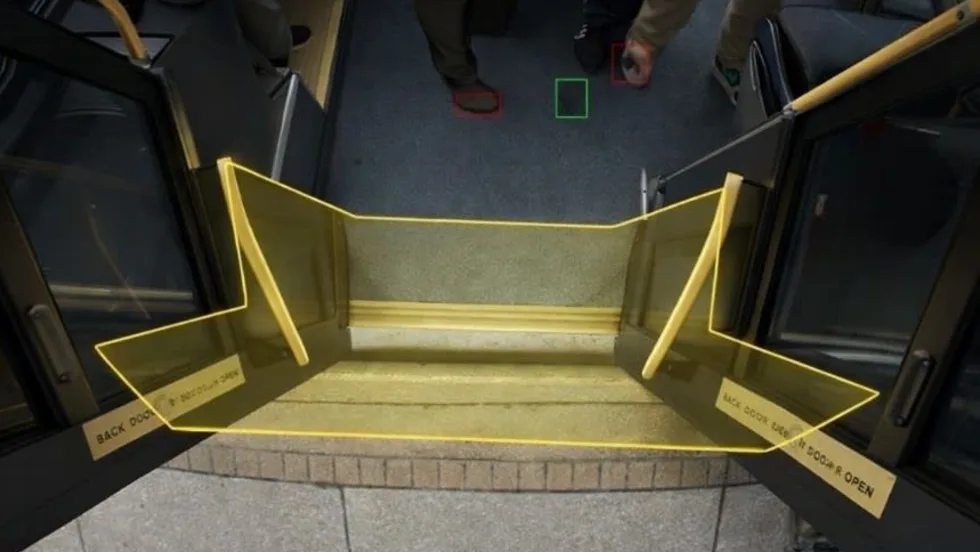
Sponsored•August 18, 2026
How VaporVision Adds Value to Transit Door Systems
Wabtec engineers explain how the system improves doorway detection, strengthens diagnostics and gives transit agencies and OEMs greater operating flexibility.
Read More →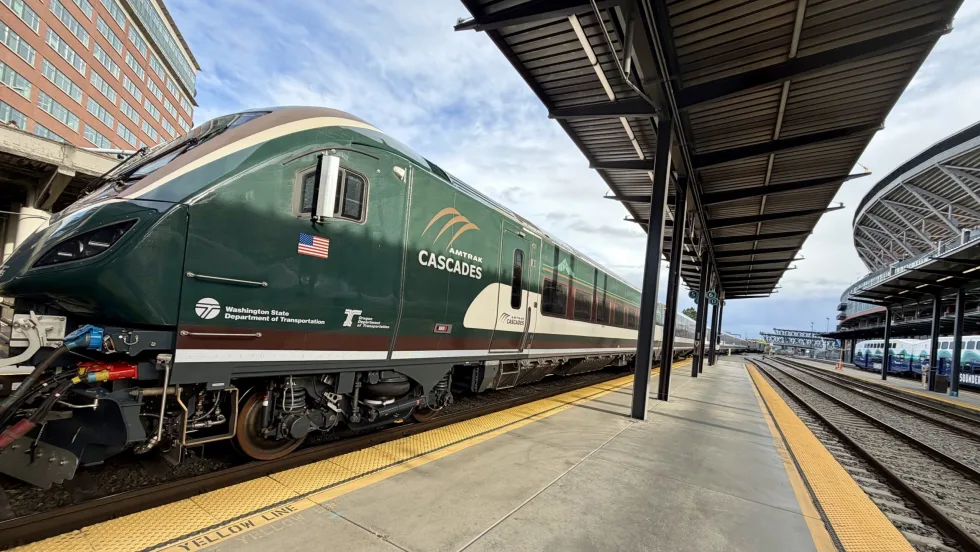
FRA Announces $5.3B in Rail Investments, Including $2B for Amtrak
Funding will support grade-crossing improvements, infrastructure upgrades, and new Amtrak equipment in 23 states.
Read More →
Chicago, Maryland Expand Non-Law-Enforcement Safety, Rider Support
The CTA and MTA are launching new programs aimed at de-escalation, crisis response, rider assistance, and greater transparency.
Read More →
LA Metro, City of West Hollywood, and Partners Advance Smarter Bus Lane Enforcement
The award-winning partnership combines AI-powered detection with human oversight to improve bus reliability, accessibility, and enforcement efficiency.
Read More →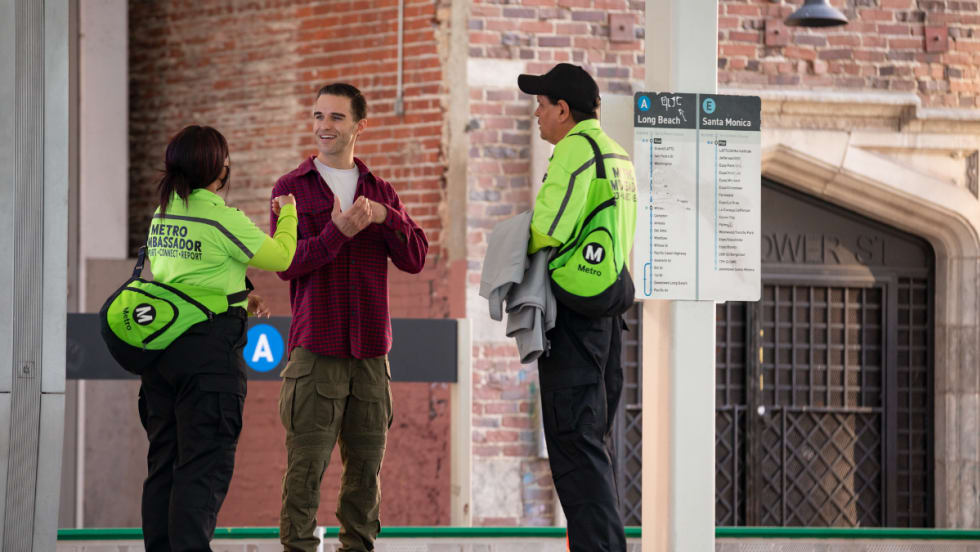
LA Metro Reports 57% Decline in Homelessness on Transit System Since 2024
The agency's latest homelessness count offers new data on how care-based services and cross-sector partnerships can complement traditional transit security strategies.
Read More →
FTA Launches 'Transit Moves America' Dashboard to Highlight Agency Safety and Performance
The online dashboard transforms National Transit Database information into a public-facing resource that allows users to compare transit agencies on key operational and safety metrics.
Read More →