



FRA report looks at PTC progress
Work remains as 63.2% of all commuter railroads’ cumulative required route miles were PTC-governed as of March 31, an 8.5% increase since last quarter.

The Federal Railroad Administration (FRA) released a quarterly status update on railroads’ self-reported progress, as of March 31, toward fully implementing positive train control (PTC) systems by Dec. 31, 2020, as required by Congress. Based on railroads’ First Quarter 2020 PTC Progress Reports and current PTC Implementation Plans, nearly all railroads subject to the statutory mandate are operating their systems in revenue service or in advanced field testing, known as revenue service demonstration (RSD), with PTC technology remaining to be activated on only approximately 1,100 required route miles.
“We continue to work directly with all ‘to be compliant’ railroads — providing technical support and guidance as requested — to enable them to satisfactorily meet the Congressional deadline,” FRA Administrator Ronald L. Batory said.
As of March 31, PTC systems were in RSD or in operation on 56,541 route miles — 98% of the nearly 58,000 route miles subject to the mandate. Specifically, at the end of the first quarter of 2020, PTC systems were governing operations on all PTC-mandated main lines owned or controlled by Class I freight railroads and other freight host railroads subject to the mandate.
While most commuter railroads’ PTC systems are in RSD on their entire mandated networks, work remains as 63.2% of all commuter railroads’ cumulative required route miles were PTC-governed as of March 31, an 8.5% increase since last quarter. In addition, interoperability has reportedly been achieved in 48.5% of the 229 applicable, host-tenant railroad relationships as of March 31, a 10% increase since the fourth quarter of 2019.
Recognizing that 33 weeks remain until the final implementation deadline set forth by Congress, FRA continues to direct additional staff resources to railroads at risk of not fully implementing an FRA-certified and interoperable PTC system on their required main lines by Dec. 31. To evaluate the risk of noncompliance, FRA is primarily considering the following factors: (1) the percentage of mandated route miles currently governed by a PTC system, including RSD; (2) any unresolved technical issue in implementing a compliant PTC system; (3) the percentage of a host railroad’s tenant railroads that have achieved required interoperability; and (4) a host railroad’s expected date to submit its PTC Safety Plan to FRA, necessary to obtain PTC System Certification.
Based on railroads’ self-reported progress on these factors as of March 31, FRA currently considers the following four host railroads at risk of not fully implementing a PTC system on all required main lines by December 2020: New Jersey Transit, TEXRail, Northeast Illinois Regional Commuter Railroad Corporation (Metra), and New Mexico Rail Runner Express (Rio Metro).
“We strongly urge the collaborating railroads to work in a safe, focused and aggressive manner to meet this end-of-year deadline,” Batory said. “FRA has provided nearly $2.6 billion in grants and loans and thousands of hours of technical assistance to help railroads fully implement PTC systems.”
More Security and Safety

Transit Agencies Highlight Safety Gains at National Summit
Leaders from 15 major transit systems shared crime-reduction results and safety initiatives while discussing the role of continued federal support.
Read More →
DART Launches Major Security, Fare Enforcement Initiative
The 90-day demonstration will deploy coordinated security teams at five light rail stations while testing controlled access and gathering data to guide future investments.
Read More →
RTD Launches NextRide App to Consolidate Trip Planning, Fares, Security Reporting
The app expands on RTD’s existing NextRide web application and allows customers to view real-time vehicle locations and service alerts, purchase and store digital fares, and access customer support.
Read More →

TAPTCO Updates OSHA Compliance Training for Transit Maintenance Operations
The revamped program addresses 26 OSHA standards for maintenance facilities, with TAPTCO pointing to training, documentation, and everyday shop hazards as continuing challenges for transit operations.
Read More →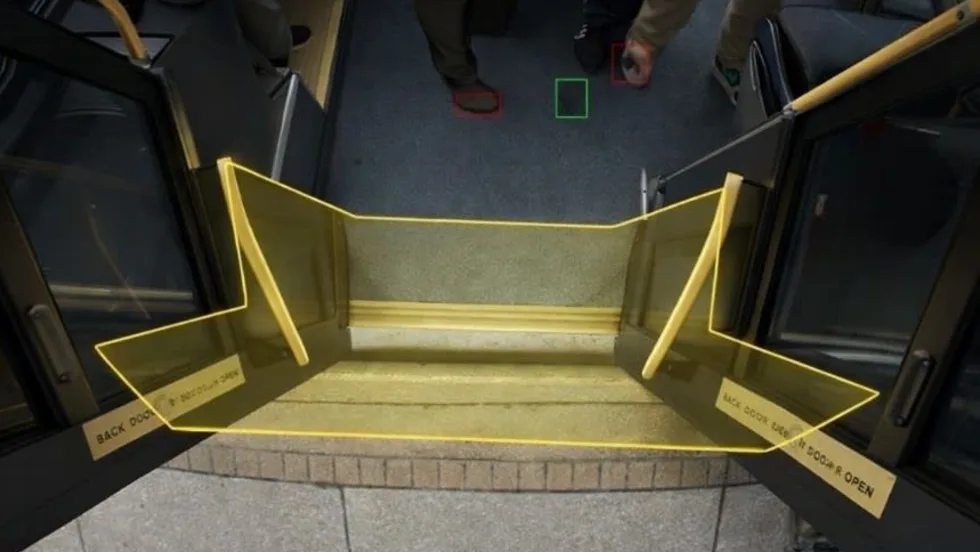
How VaporVision Adds Value to Transit Door Systems
Wabtec engineers explain how the system improves doorway detection, strengthens diagnostics and gives transit agencies and OEMs greater operating flexibility.
Read More →
FRA Announces $5.3B in Rail Investments, Including $2B for Amtrak
Funding will support grade-crossing improvements, infrastructure upgrades, and new Amtrak equipment in 23 states.
Read More →
Chicago, Maryland Expand Non-Law-Enforcement Safety, Rider Support
The CTA and MTA are launching new programs aimed at de-escalation, crisis response, rider assistance, and greater transparency.
Read More →
LA Metro, City of West Hollywood, and Partners Advance Smarter Bus Lane Enforcement
The award-winning partnership combines AI-powered detection with human oversight to improve bus reliability, accessibility, and enforcement efficiency.
Read More →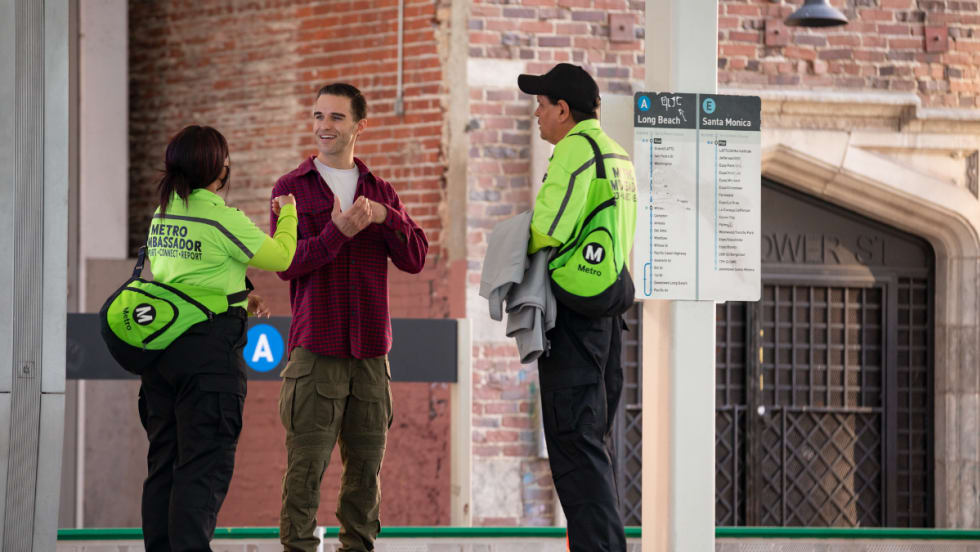
LA Metro Reports 57% Decline in Homelessness on Transit System Since 2024
The agency's latest homelessness count offers new data on how care-based services and cross-sector partnerships can complement traditional transit security strategies.
Read More →
FTA Launches 'Transit Moves America' Dashboard to Highlight Agency Safety and Performance
The online dashboard transforms National Transit Database information into a public-facing resource that allows users to compare transit agencies on key operational and safety metrics.
Read More →