



FRA report finds industry on path to meeting PTC mandate
As of Dec. 31, systems were in RSD or operation on 55,601 route miles — 96.3% of the nearly 58,000 route miles subject to the mandate.


Amtrak

At the end of 2019, PTC systems were governing operations on nearly all the Class I railroads’ and Amtrak’s mandated main lines, 98.7% and 99.8% respectively. Amtrak
As of Dec. 31, positive train control (PTC) systems were in revenue service demonstration (RSD) or operation on 55,601 route miles — 96.3% of the nearly 58,000 route miles subject to the Federal Railroad Administration (FRA) mandate — according to its Fourth Quarter 2019 PTC Progress Report.
Specifically, at the end of 2019, PTC systems were governing operations on nearly all the Class I railroads’ and Amtrak’s mandated main lines, 98.7% and 99.8% respectively. While several commuter railroads’ PTC systems are in RSD on their entire mandated networks, significant work remains as only 54.7% of commuter railroads’ cumulative required route miles were PTC-governed as of Dec. 31, versus 41.9% last quarter. In addition, interoperability has reportedly been achieved in 38% of the 229 applicable host-tenant railroad relationships as of Dec. 31, a 13% increase since Quarter 3 of 2019.
Recognizing only 10 months remain until the full implementation deadline set forth by Congress, FRA continues to direct additional resources to railroads at risk of not implementing fully an FRA-certified and interoperable PTC system on their required main lines by the end of the year.
To evaluate the risk of noncompliance, FRA is primarily considering the following factors, which are associated with the requirements for full implementation of a PTC system: (1) the percentage of mandated route miles currently governed by a PTC system, including RSD; (2) any unresolved technical issue in implementing a compliant PTC system; (3) the percentage of a host railroad’s tenant railroads that have achieved interoperability, as required; and (4) a host railroad’s expected date to submit its PTC Safety Plan to FRA, as required to obtain PTC System Certification.
Based on these factors and railroads’ self-reported progress, FRA currently considers the following eight host railroads at risk of not fully implementing a PTC system on all required main lines: Alaska Railroad; The Belt Railway Co. of Chicago; Florida East Coast Railway, including its tenant railroad, Brightline/Virgin Trains USA; Kansas City Terminal Railway; New Jersey Transit; New Mexico Rail Runner Express; Metra, and TEXRail.
FRA remains committed to assisting railroads directly, and to the greatest extent possible, including ongoing support during all phases of field testing and RSD operations. In addition, FRA is encouraging state departments of transportation and governors to help ensure that any at-risk commuter railroads have enough technical resources and support to meet the end-of-year deadline.
To view detailed infographics depicting railroads’ progress toward fully implementing PTC systems as of Dec. 31, click here.
More Security and Safety

Transit Agencies Highlight Safety Gains at National Summit
Leaders from 15 major transit systems shared crime-reduction results and safety initiatives while discussing the role of continued federal support.
Read More →
DART Launches Major Security, Fare Enforcement Initiative
The 90-day demonstration will deploy coordinated security teams at five light rail stations while testing controlled access and gathering data to guide future investments.
Read More →
RTD Launches NextRide App to Consolidate Trip Planning, Fares, Security Reporting
The app expands on RTD’s existing NextRide web application and allows customers to view real-time vehicle locations and service alerts, purchase and store digital fares, and access customer support.
Read More →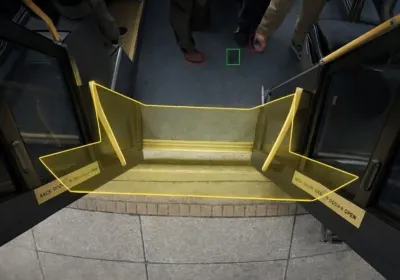
TAPTCO Updates OSHA Compliance Training for Transit Maintenance Operations
The revamped program addresses 26 OSHA standards for maintenance facilities, with TAPTCO pointing to training, documentation, and everyday shop hazards as continuing challenges for transit operations.
Read More →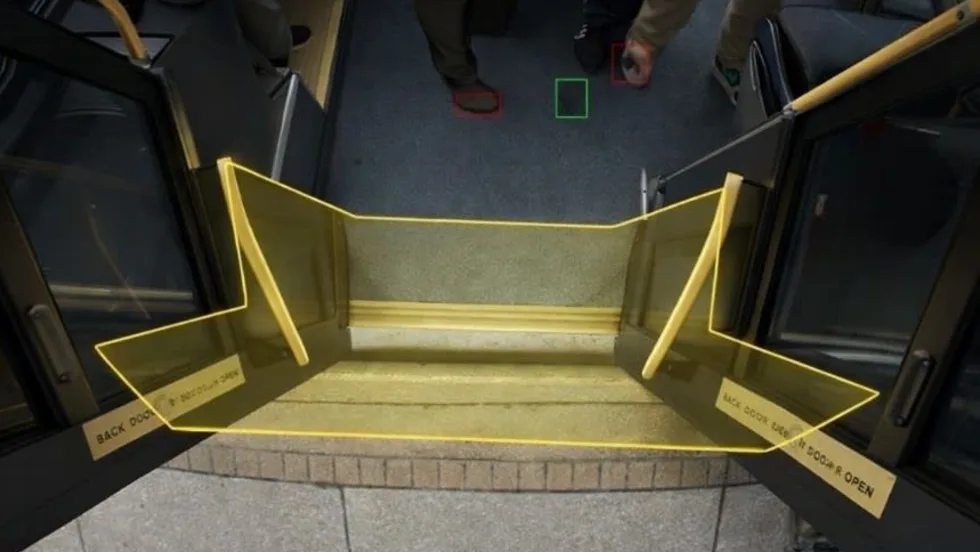
How VaporVision Adds Value to Transit Door Systems
Wabtec engineers explain how the system improves doorway detection, strengthens diagnostics and gives transit agencies and OEMs greater operating flexibility.
Read More →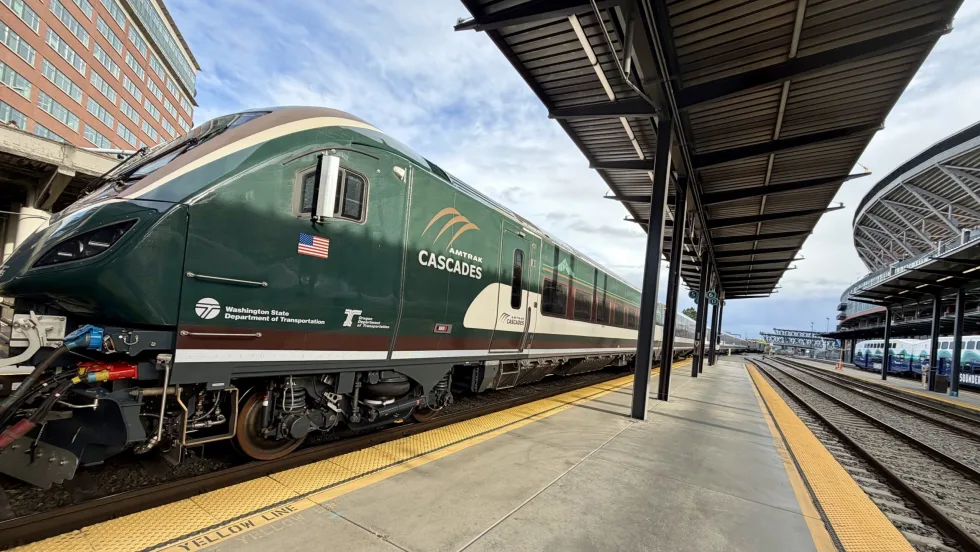
FRA Announces $5.3B in Rail Investments, Including $2B for Amtrak
Funding will support grade-crossing improvements, infrastructure upgrades, and new Amtrak equipment in 23 states.
Read More →
Chicago, Maryland Expand Non-Law-Enforcement Safety, Rider Support
The CTA and MTA are launching new programs aimed at de-escalation, crisis response, rider assistance, and greater transparency.
Read More →
LA Metro, City of West Hollywood, and Partners Advance Smarter Bus Lane Enforcement
The award-winning partnership combines AI-powered detection with human oversight to improve bus reliability, accessibility, and enforcement efficiency.
Read More →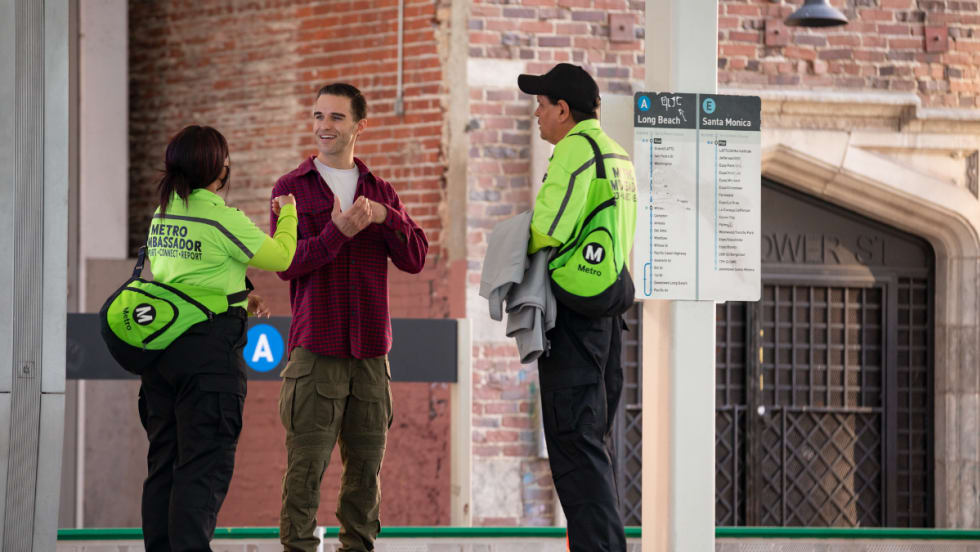
LA Metro Reports 57% Decline in Homelessness on Transit System Since 2024
The agency's latest homelessness count offers new data on how care-based services and cross-sector partnerships can complement traditional transit security strategies.
Read More →
FTA Launches 'Transit Moves America' Dashboard to Highlight Agency Safety and Performance
The online dashboard transforms National Transit Database information into a public-facing resource that allows users to compare transit agencies on key operational and safety metrics.
Read More →