



Automated Fare Collection market to reach $13.5M by 2026
In 2017, North America accounted for the majority share in the global automated fare collection market.
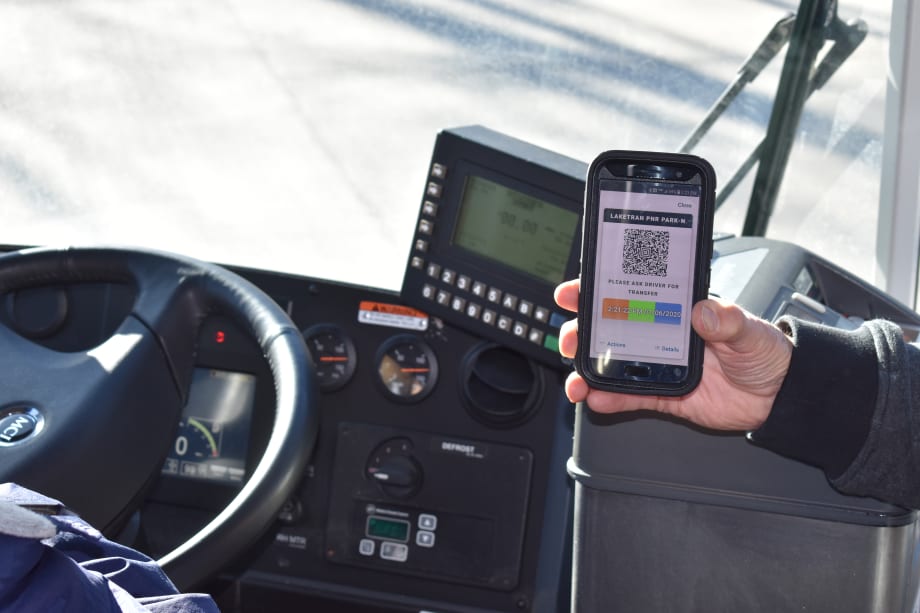
New emerging markets, increasing acceptance of cashless payments, and growing need to reduce environmental pollution are factors expected to influence the market in the coming years.
Laketran
New emerging markets, increasing acceptance of cashless payments, and growing need to reduce environmental pollution are factors expected to influence the market in the coming years.
Laketran
According to a new report by Polaris Market Research, the worldwide Automated Fare Collection (AFC) market is anticipated to reach around $13.594 million by 2026. In 2017, the smart cards segment dominated the global market, in terms of revenue. Also in 2017, North America accounted for the majority share in the global automated fare collection market.
The increasing need to automate ticketing systems for public and private transportation majorly drives the market growth. Organizations are gradually adopting automated fare collection systems to increase efficiency, and easy management of high volume of commuters. The growing need to reduce frauds in public transportation further accelerates the adoption of the AFC systems. Other factors driving the market growth include growing need to reduce operational costs, increase profitability, and enhance traveler experience. New emerging markets, increasing acceptance of cashless payments, and growing need to reduce environmental pollution are factors expected to influence the market in the coming years.
The increasing investments in R&D and rapid development of public infrastructure in developing countries of Asia-Pacific and Latin America support the growth of AFC systems. Governments across the world are collaborating with leading market players for installation of AFC systems in airports and railways. Technological advancements in electronic payment, Near-Field Communication (NFC), and contactless payment technologies provide numerous growth opportunities in the global market. Market players are introducing affordable and highly efficient AFC systems in the market to cater to the growing market demands.
North America is expected to lead the global AFC market during the forecast period. Significant investment by governments to improve the public transport infrastructure coupled with stringent regulations regarding transportation drive the growth of automated fare collection in this region. Technological advancement and introduction of advanced systems by the market players has increased their acceptance in the region. Asia-pacific is expected to grow at the highest CAGR during the forecast period. This is due to economic growth in countries such as China and India, and increasing investments in public infrastructure. Expansion of global players into these countries to tap market potential boosts the market growth.
The various types of technologies used in automated fare collection system include NFC, Optical Character Recognition, smart cards, and magnetic strips. The smart cards segment is expected to lead the market during the forecast period owing to increasing popularity of cashless transactions. NFC is expected to grow at the highest CAGR during the forecast period.
Companies profiled in the report include Thales Group, Longbow Technologies S/B, Cubic Corporation, Advanced Card Systems Holdings Limited, Atos SE, Indra Sistemas SA, UL Transaction Security, Siemens AG, Samsung SDS Co. Ltd., GMV Innovating Solutions, Masabi Ltd., and Omron Corporation among others. These companies introduced new technologies and collaborate with other market leaders to innovate and launch new products to meet the increasing needs and requirements of the consumers.
View more about the AFC market here.
More Technology

From Hardware to Digital Partner: Luminator Charts Its Next Chapter
CEO Magnus Friberg discusses Luminator’s shift toward becoming a digital partner, the growing importance of software and interoperability, and how AI can help agencies improve operations and passenger experience.
Read More →
Beyond the Checklist: A Structured Approach to Transit Maintenance
Reliability-Centered Maintenance helps transit agencies move beyond routine checklists to focus limited resources on the assets and failures that have the greatest impact on safety, reliability, and service.
Read More →
NJ TRANSIT Advances Bus Technology Upgrades Across Statewide Fleet
More than 1,500 buses now feature upgraded technology designed to improve arrival predictions and provide free Wi-Fi, with deployment expected to reach nearly 2,000 buses by the end of 2026.
Read More →

Building a Flexible Path to Transit Electrification
John Hroncich discusses BAE Systems’ modular and scalable approach, lessons learned from decades of real-world operations, and how agencies can identify electrification strategies that fit their fleets.
Read More →
Biz Briefs: Alstom Lands Canadian Contract, LYT to Supply California TSP, and More
In METRO's latest installment, we take a look at recent news from Complete Coach Works, Beep, FlixBus, and more partnerships making headlines across the transportation sector.
Read More →
From Legacy Silos to Conversational Intelligence
What if transit leaders could ask any operational question and get a trusted answer in seconds? Conversational AI is transforming how agencies use their data.
Read More →
USDOT Announces Rail Vehicle Replacement Grants, Chattanooga AV Shuttle Funding
More than $191 million in federal funding will help three transit agencies replace aging rail vehicles and support a new autonomous shuttle service in Chattanooga.
Read More →
Bus Tech Talk: Keeping Transit Technicians Ahead of the Technology Curve
LA Metro’s Obed Mejia discusses technician training, evolving maintenance technology, fleet replacement, and strategies for getting the most out of today’s transit fleets.
Read More →
Biz Briefs: RIPTA Unveils New Frontrunners, Clevland RTA Adds New Siemens, and More
In METRO's latest installment, we take a look at recent news from Siemens, Prevost, Dodge, and more partnerships making headlines across the transportation sector.
Read More →
Why Simulating Pedestrian Movement Has Become Essential for Modern Rail Stations
Pedestrian microsimulation is helping rail planners identify bottlenecks, test station designs, and prepare complex transit hubs for growing passenger volumes.
Read More →