



SacRT’s Microtransit Service Among the Most Successful in the U.S.
Despite the COVID-19 pandemic, SacRT’s SmaRT Ride has experienced steady growth this summer, with July showing the highest ridership month to date, providing approximately 12,200 rides.
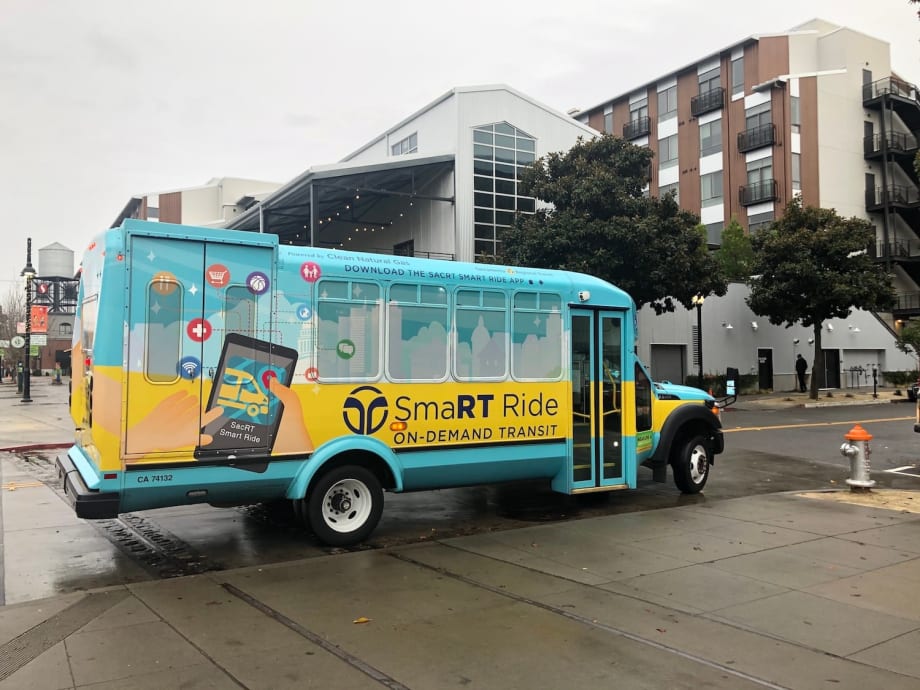
According to data provided by public mobility company Via, whose technology powers SacRT’s SmaRT Ride app, the service has grown by an average of almost 4% per week in the past two weeks.
SacRT/Via
The Sacramento Regional Transit District (SacRT) announced its on-demand microtransit shuttle service called SmaRT Ride is among the most successful microtransit services in the U.S.
Despite the COVID-19 pandemic, SacRT’s SmaRT Ride has experienced steady growth this summer, with July showing the highest ridership month to date, providing approximately 12,200 rides. August ridership was on trend to beat that; however, excessive heat and fire related smoke had a significant impact with nearly 11,500 rides still accomplished.
According to data provided by public mobility company Via, whose technology powers SacRT’s SmaRT Ride app, the service has grown by an average of almost 4% per week in the past two weeks. Last week, SmaRT Ride completed 2,784 passenger trips, placing it among the strongest performing microtransit services in the U.S. in terms of both ridership and week-on-week growth.
SmaRT Ride only experienced a 15% drop in ridership at the onset of the pandemic in March and April, which represents the value the service brings to the community as an innovative transportation solution. SmaRT Ride has been in operation since February 2018 and has provided more than 230,000 total rides since it launched. This performance is even more impressive given the rapid decline in ridership experienced by many other transit providers around the nation and world due to the Covid-19 pandemic.
“It is amazing to see an increase in ridership during a time when transit is expected to incur steep declines,” said SacRT GM/CEO Henry Li. “This really speaks volumes about how important innovative public transit service is in the Sacramento region for essential travel, especially in our disadvantaged communities, to access food, healthcare and frontline jobs during the pandemic.”
SacRT’s SmaRT Ride service zones provide lifeline service to communities with populations that are approximately 48% minority, 15% low-income, and 13% disabled. While three of the zones, Franklin-South Sacramento, Gerber, and North Sacramento serve disadvantaged communities that consist of more than 80 percent minority populations.
With a total of nine active SmaRT Ride service zones, SacRT is the largest microtransit provider in the country, operating with 45 shuttles, nine of which are zero emission electric vehicles (ZEV). Six ZEVs operate in the Downtown-Midtown-East Sacramento service zone and three ZEVs, provided by Electrify America, operate in the Franklin-South Sacramento zone. SacRT’s SmaRT Ride service is provided through Measure A funding. SacRT was awarded a $12 million grant by the Sacramento Transportation Authority to help expand microtransit on-demand service with a focus on disadvantaged communities throughout the Sacramento region.
Using a mobile app, riders can hail a vehicle directly from their smartphone, online, or by calling the SacRT call center. Via’s advanced algorithms match multiple passengers into a single vehicle in real time and enable residents to use on-demand transit as a complement and extension to the existing public transit infrastructure in the city.
More New Mobility

ENC Unveils ZAVIR Medium-Duty Electric Shuttle
The new ZAVIR brand targets shuttle and paratransit operations with battery-electric and range-extended electric vehicle options.
Read More →
Public Transit Conference Returning to GFX in 2027, Call for Papers Now Open
The Call for Papers is now open, allowing transit agency professionals and industry experts to help shape the PTC educational program by submitting session ideas for consideration.
Read More →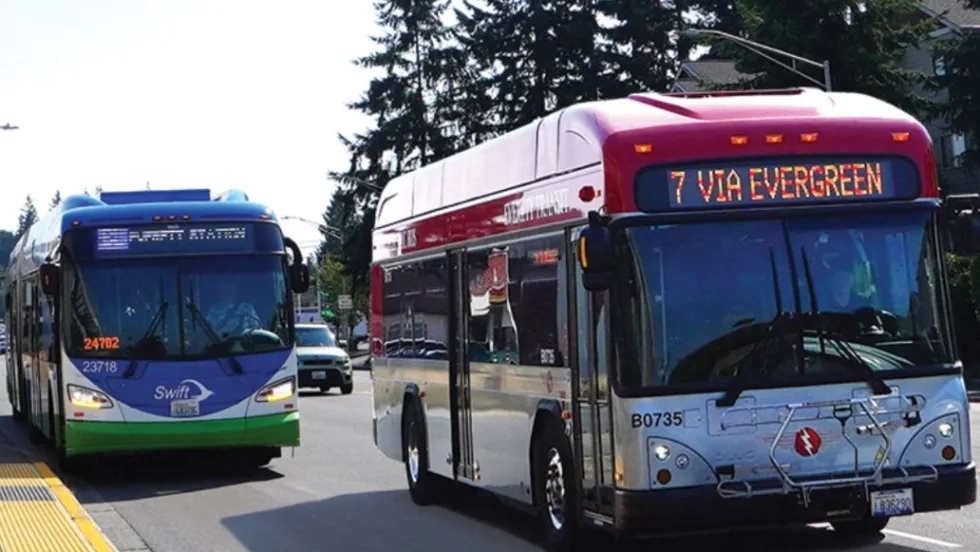
Everett Transit, Community Transit Outline Consolidation Agreement
The proposed agreement calls for a 50% increase in bus service in Everett, a new microtransit zone, continued paratransit service, and the transfer of Everett Transit operations to Community Transit.
Read More →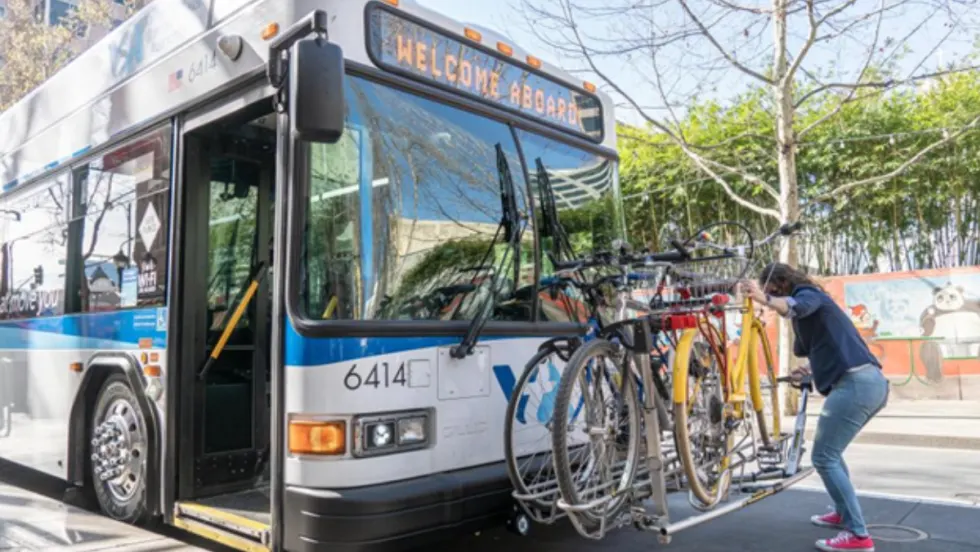
What Multimodal Data Can Tell Transit Agencies About Rider Demand
See how bike-on-bus data is giving transit agencies new insight into rider demand, capacity constraints, and gaps in first- and last-mile connections.
Read More →
From Hardware to Digital Partner: Luminator Charts Its Next Chapter
CEO Magnus Friberg discusses Luminator’s shift toward becoming a digital partner, the growing importance of software and interoperability, and how AI can help agencies improve operations and passenger experience.
Read More →
Biz Briefs: Alstom Lands Canadian Contract, LYT to Supply California TSP, and More
In METRO's latest installment, we take a look at recent news from Complete Coach Works, Beep, FlixBus, and more partnerships making headlines across the transportation sector.
Read More →
CharterUP’s Armir Harris on Technology, AI, and the Future of Group Mobility
In a recent episode of METROspectives, CharterUP Founder/CEO Armir Harris discussed the company’s evolution from an online charter bus marketplace into a technology platform supporting public- and private-sector mobility and much more.
Read More →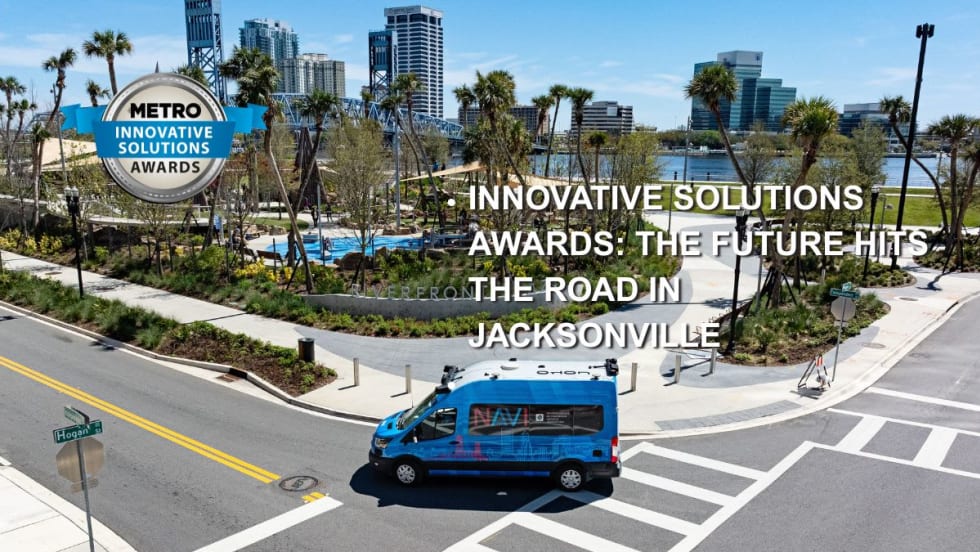
Jacksonville’s NAVI Project Charts a New Course for Autonomous Public Transportation
Through its NAVI program, JTA is showing how autonomous vehicles, intelligent infrastructure, and coordinated operations can work together to deliver everyday public transportation.
Read More →
Biz Briefs: Luminator Marks Milestone and More
From manufacturers and suppliers to transit agencies and motorcoach operators, these updates offer a snapshot of the projects, partnerships and business moves driving the industry forward.
Read More →
New Tricks for Old Bureaucracies: Joshua Schank on Making Transit Innovation Stick
Former LA Metro Chief Innovation Officer Joshua Schank discusses why good ideas aren't enough, how transit agencies can overcome resistance to change, and why today's challenges demand more innovation.
Read More →