METRO Magazine Logo
MenuMENU
SearchSEARCH

SacRT’s Microtransit Service Among the Most Successful in the U.S.

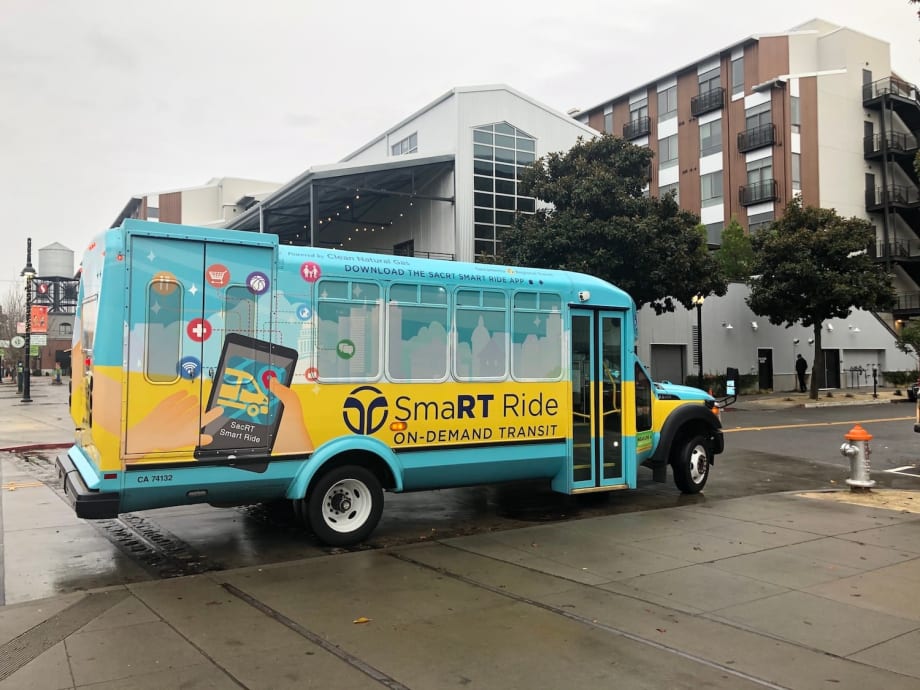
Despite the COVID-19 pandemic, SacRT’s SmaRT Ride has experienced steady growth this summer, with July showing the highest ridership month to date, providing approximately 12,200 rides.

by METRO Staff
September 9, 2020
SacRT’s Microtransit Service Among the Most Successful in the U.S.

According to data provided by public mobility company Via, whose technology powers SacRT’s SmaRT Ride app, the service has grown by an average of almost 4% per week in the past two weeks.

Credit:

SacRT/Via

3 min to read


The Sacramento Regional Transit District (SacRT) announced its on-demand microtransit shuttle service called SmaRT Ride is among the most successful microtransit services in the U.S.

Despite the COVID-19 pandemic, SacRT’s SmaRT Ride has experienced steady growth this summer, with July showing the highest ridership month to date, providing approximately 12,200 rides. August ridership was on trend to beat that; however, excessive heat and fire related smoke had a significant impact with nearly 11,500 rides still accomplished.

Ad Loading...

According to data provided by public mobility company Via, whose technology powers SacRT’s SmaRT Ride app, the service has grown by an average of almost 4% per week in the past two weeks. Last week, SmaRT Ride completed 2,784 passenger trips, placing it among the strongest performing microtransit services in the U.S. in terms of both ridership and week-on-week growth.

SmaRT Ride only experienced a 15% drop in ridership at the onset of the pandemic in March and April, which represents the value the service brings to the community as an innovative transportation solution. SmaRT Ride has been in operation since February 2018 and has provided more than 230,000 total rides since it launched. This performance is even more impressive given the rapid decline in ridership experienced by many other transit providers around the nation and world due to the Covid-19 pandemic.

“It is amazing to see an increase in ridership during a time when transit is expected to incur steep declines,” said SacRT GM/CEO Henry Li. “This really speaks volumes about how important innovative public transit service is in the Sacramento region for essential travel, especially in our disadvantaged communities, to access food, healthcare and frontline jobs during the pandemic.”

SacRT’s SmaRT Ride service zones provide lifeline service to communities with populations that are approximately 48% minority, 15% low-income, and 13% disabled. While three of the zones, Franklin-South Sacramento, Gerber, and North Sacramento serve disadvantaged communities that consist of more than 80 percent minority populations.

With a total of nine active SmaRT Ride service zones, SacRT is the largest microtransit provider in the country, operating with 45 shuttles, nine of which are zero emission electric vehicles (ZEV). Six ZEVs operate in the Downtown-Midtown-East Sacramento service zone and three ZEVs, provided by Electrify America, operate in the Franklin-South Sacramento zone. SacRT’s SmaRT Ride service is provided through Measure A funding. SacRT was awarded a $12 million grant by the Sacramento Transportation Authority to help expand microtransit on-demand service with a focus on disadvantaged communities throughout the Sacramento region.

Ad Loading...

Using a mobile app, riders can hail a vehicle directly from their smartphone, online, or by calling the SacRT call center. Via’s advanced algorithms match multiple passengers into a single vehicle in real time and enable residents to use on-demand transit as a complement and extension to the existing public transit infrastructure in the city.


More New Mobility

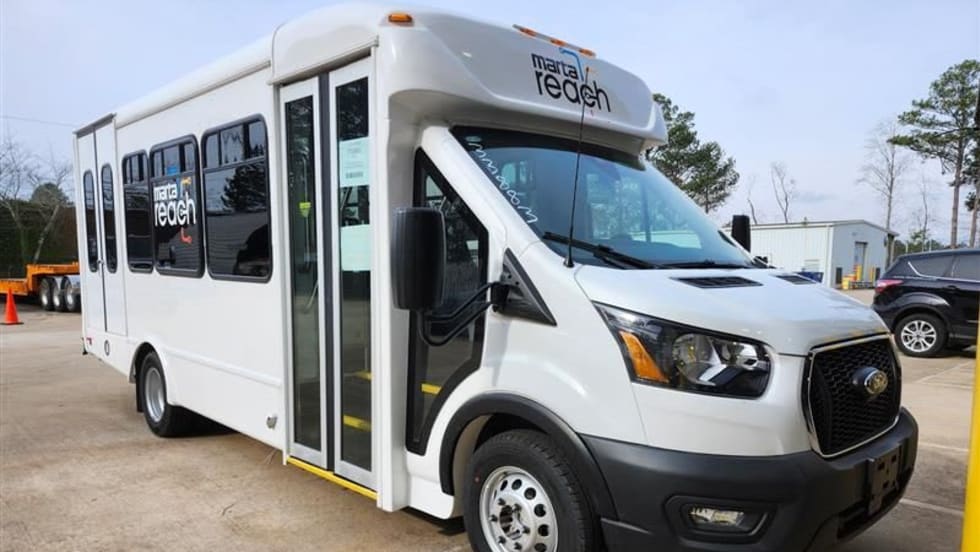
A vehicle that will be used for MARTA's Reach mobility program.
New Mobilityby StaffMarch 2, 2026

Atlanta's MARTA Set to Launch New On-Demand Transportation Service

An important part of the authority’s NextGen Bus Network, MARTA Reach will bring transit service directly to the rider’s location and offer a seamless link to the broader rail and bus system.

Read More →
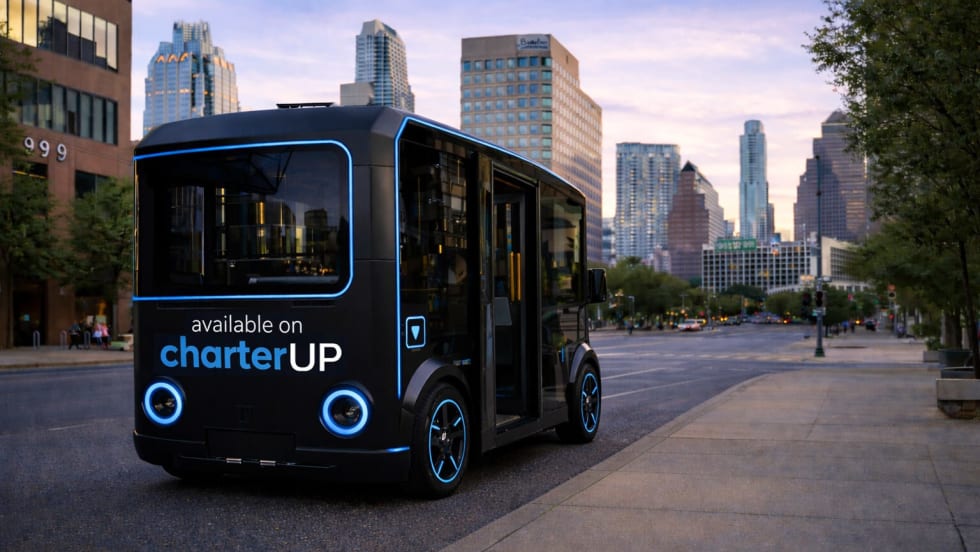
A black and blue HOLON urban autonomous vehicle on a city street.
New Mobilityby Elora HaynesFebruary 26, 2026

CharterUP Moves to Scale Autonomous Shuttle Deployments Through HOLON Partnership

The partnership aims to accelerate the rollout of electric, high-capacity autonomous shuttles for campuses, airports, transit systems, and more.

Read More →
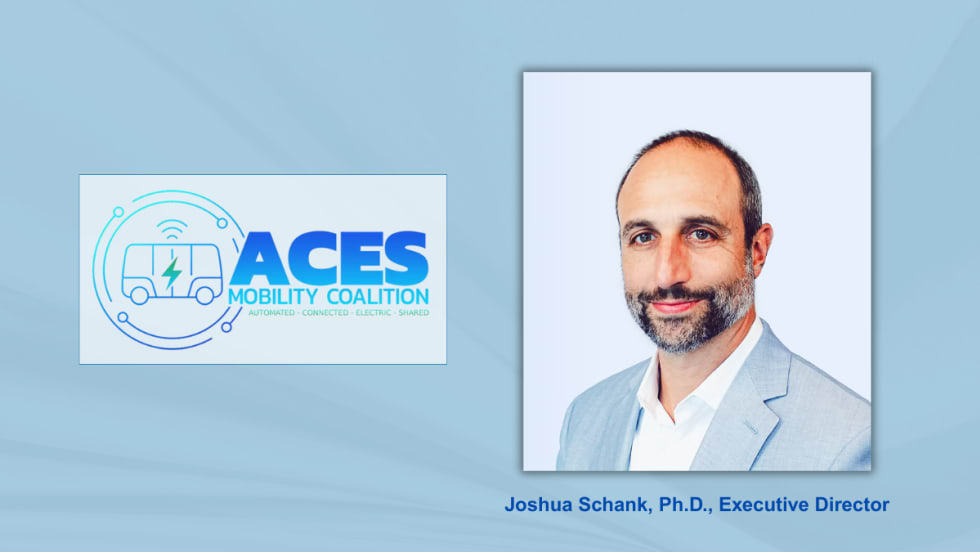
Portrait of Joshua Schank, Ph.D., alongside the ACES Mobility Coalition logo.
Managementby StaffFebruary 16, 2026

ACES Mobility Coalition Selects Joshua Schank as New Executive Director

Veteran transportation innovator to lead coalition as it pushes nationwide expansion of shared autonomous mobility.

Read More →
Ad Loading...
David Carol, Baker Alloush, and Jesse Lazarus from METRO's People Movement February 4 edition.
Managementby Staff and News ReportsFebruary 4, 2026

New Rolling Stock Strategy Lead at New York MTA and More in People Movement

In this edition, we cover recent appointments and announcements at HDR, NCTD, STV, and more, showcasing the individuals helping to shape the future of transportation.

Read More →
New Mobilityby StaffJanuary 30, 2026

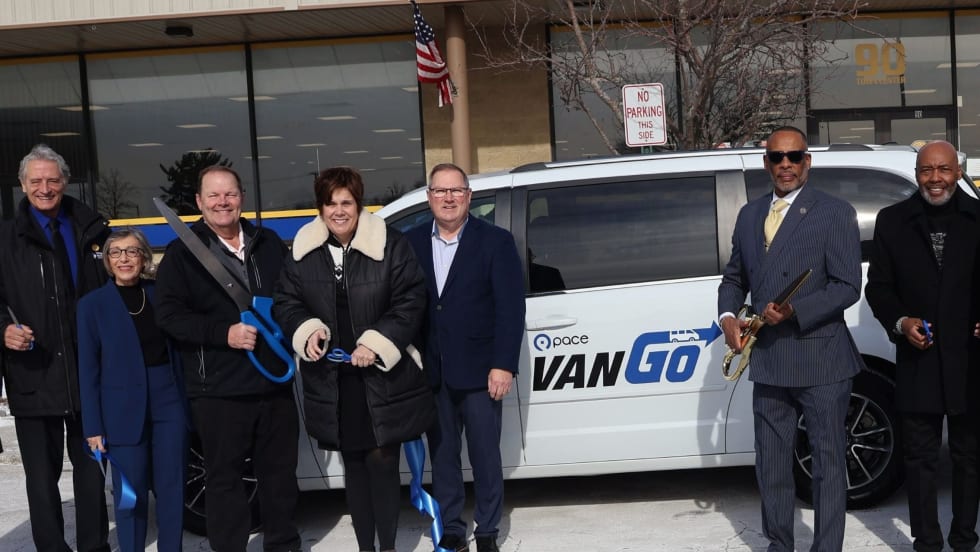
Chicago's Pace Expands VanGo Mobility Program

The service is a flexible, reservation-based transit service designed to close the first- and last-mile gaps and connect riders to employment for just $5 per day.

Read More →
SponsoredJanuary 22, 2026

5 Costly Myths About Paratransit Vehicles

What agencies often overlook when selecting vehicles.

Read More →
Ad Loading...
Busby StaffJanuary 22, 2026

Biz Briefs: BART, Uber Launch Partnership and More

Stay informed with these quick takes on the projects and companies driving progress across the transportation landscape.

Read More →
Transit signal priority and public transit agencies.
New Mobilityby Alex RomanJanuary 16, 2026

How AI is Redefining Transit Operations and Signal Priority

In a recent episode of METROspectives, LYT CEO Timothy Menard discusses how artificial intelligence, cloud connectivity, and real-time data are transforming traffic management, boosting bus reliability, and enabling system-wide transit optimization across cities.

Read More →
New Mobilityby StaffJanuary 15, 2026

U.S. Transit Trails Global Peers, Transportation for America Report Outlines Path Forward

The analysis finds that a $4.6 trillion investment across all levels of government over 20 years ($230 billion per year) would be required to build, operate, and maintain a transit network that approaches the level of service within a cohort of 17 global cities with world-class transit systems.

Read More →
Ad Loading...
Railby Staff and News ReportsJanuary 15, 2026

Biz Briefs: Alstom Supplying TTC Subways, SilverRide Lands California Contracts, and More

Stay informed with these quick takes on the projects and companies driving progress across the transportation landscape.

Read More →