



TTC Recalls Workers to Meet Service Demand
Daily ridership is now at 50% of TTC’s pre-pandemic levels and customer trips are more evenly spread throughout the day.
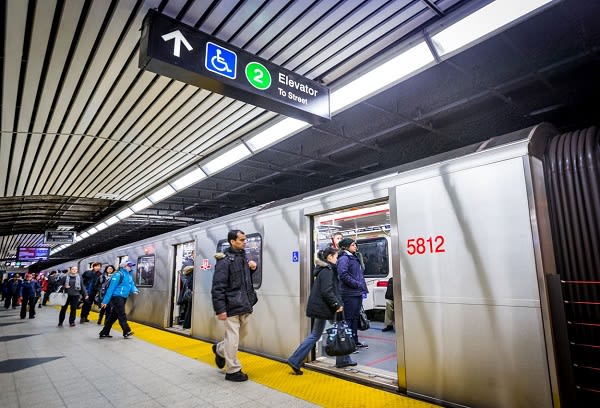
Daily ridership is now at 50% of TTC’s pre-pandemic levels and customer trips are more evenly spread throughout the day.
TTC
In preparation to meet service demands brought about by changing ridership patterns, the Toronto Transit Commission (TTC) is recalling its remaining 179 furloughed employees, including 97 bus operators, in the first week of November.
TTC CEO Rick Leary announced temporary layoffs in April as ridership dropped nearly 80% due to school closures and business shutdowns caused by the COVID-19 pandemic. In August, the agency recalled 150 of those employees as daily ridership rose to 35% to 40% of pre-pandemic ridership levels.
In making the decision to recall the remaining employees, the TTC took the following factors into consideration:
Increased ridership. Daily boardings on buses are now at 50% of pre-pandemic levels and holding. Ridership patterns have also changed from the traditional peak periods with customer trips more evenly spread throughout the day.
A planned capital project. The TTC is seeking approval to advance a major asbestos removal program by one full year by closing Line 1 between Finch and Sheppard for 10 days in December, with shuttle buses running instead.
School re-openings. On Nov. 12, a new cohort of high school students will return to in-class learning, some of whom will rely on the TTC to get to and from school.
The TTC also projects there will be operator retirements in late 2020, so as a result, the agency has developed a plan to recruit and train new operators in the coming year.
More Management
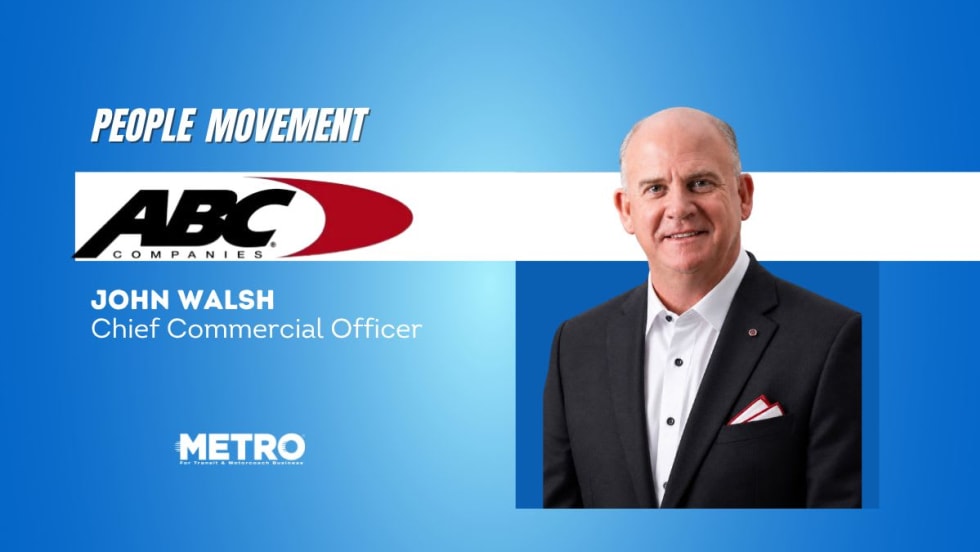
People Movement: ABC Names John Walsh as Chief Commercial Officer
In this edition, METRO also covers recent appointments and announcements at the DART, STV, and more, showcasing the individuals helping to shape the future of transportation.
Read More →
From Surviving to Thriving: Building Stronger Transportation Organizations
Bus Business Consultants founder Brian Dickson shares lessons on leadership, organizational health, and creating options for long-term success in a changing transportation industry.
Read More →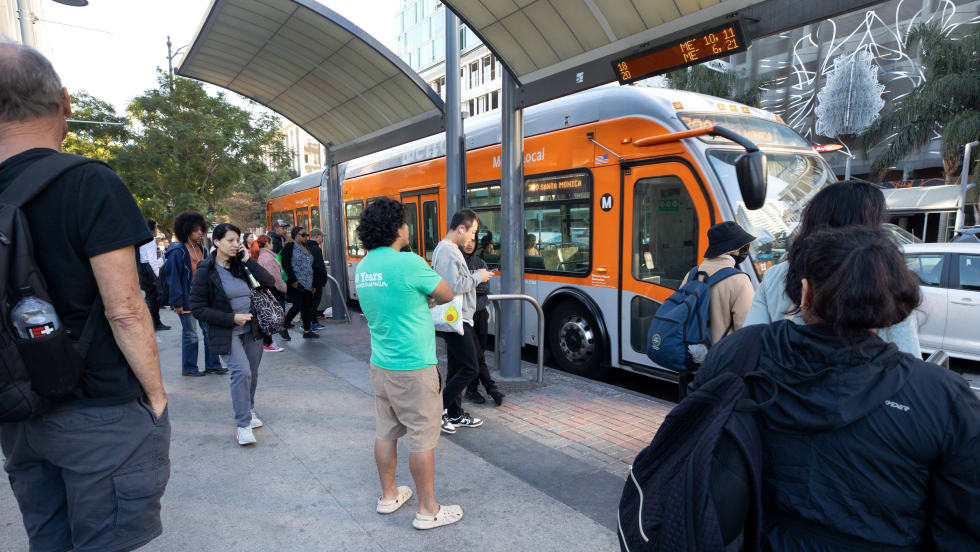
LA Metro Ridership Continues Growth as Rail Gains Accelerate
New rail connections and major events help drive continued ridership gains, with Metro recording its eighth consecutive month of year-over-year rail growth.
Read More →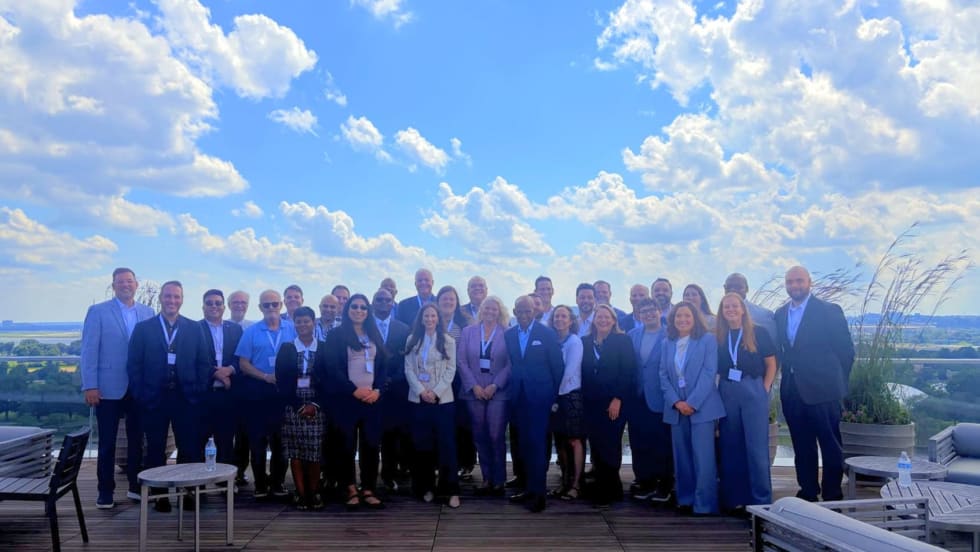
TransDASH Summit Focuses on Measuring What Matters in Transit
Transit agencies unveil a national performance platform designed to benchmark customer experience, safety, community value, and other outcomes.
Read More →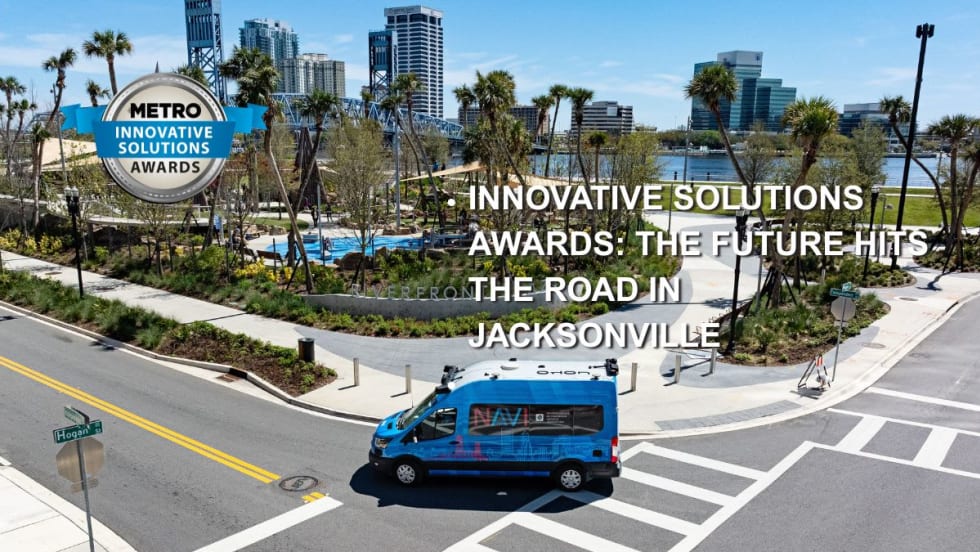
Jacksonville’s NAVI Project Charts a New Course for Autonomous Public Transportation
Through its NAVI program, JTA is showing how autonomous vehicles, intelligent infrastructure, and coordinated operations can work together to deliver everyday public transportation.
Read More →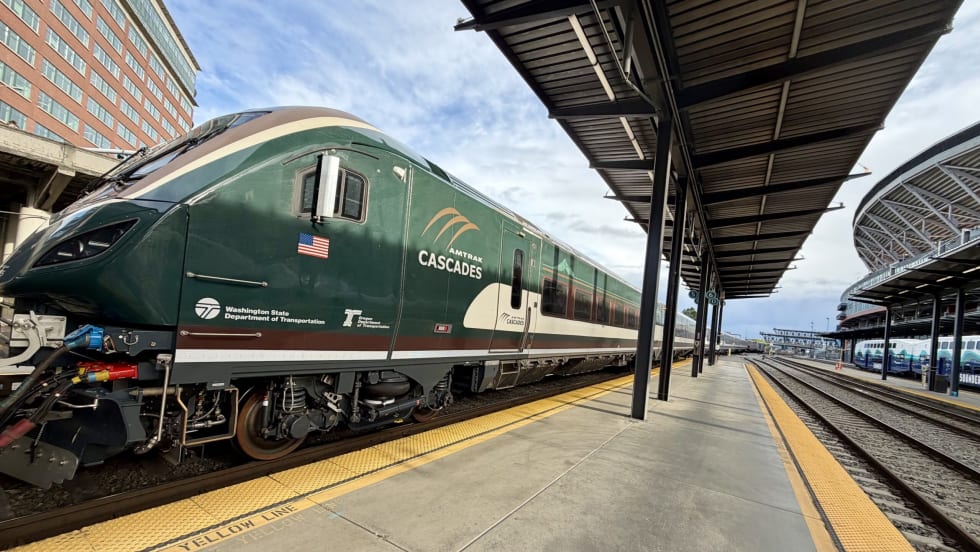
FRA Announces $5.3B in Rail Investments, Including $2B for Amtrak
Funding will support grade-crossing improvements, infrastructure upgrades, and new Amtrak equipment in 23 states.
Read More →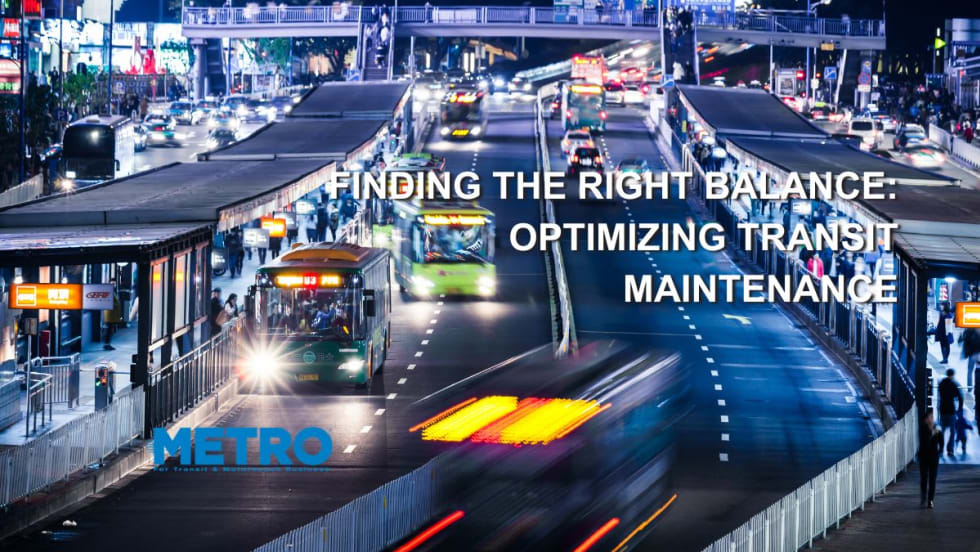
Finding the ‘Happy Medium’: Optimizing Maintenance Without Sacrificing Reliability
The key to maintenance optimization isn’t doing less work—it’s doing the right work at the right time on the right assets.
Read More →
People Movement: MARTA Drops Interim Tag on GM/CEO Hunt and More
In this edition, METRO covers recent appointments and announcements at the FMCSA, HDR, SilverRide, and more, showcasing the individuals helping to shape the future of transportation.
Read More →
VIA Metropolitan Transit Reports 2 Million More Passenger Trips as Better Bus Plan Gains Momentum
San Antonio's transit agency said accelerated service improvements are driving ridership growth, offering another example of how increased frequency and workforce investments can translate into stronger transit performance.
Read More →
ABAF Study Reveals Growing Insurance Crisis for Motorcoach Operators
Preliminary findings show 98% of operators faced premium increases over the past five years, while shrinking insurer participation is putting added pressure on businesses and customers.
Read More →