



Cleveland RTA Launches Transit Ambassador Program
Both Transit Ambassadors and Crisis Intervention Specialists will work in collaboration with GCRTA’s Transit Police and have their own specific responsibilities.

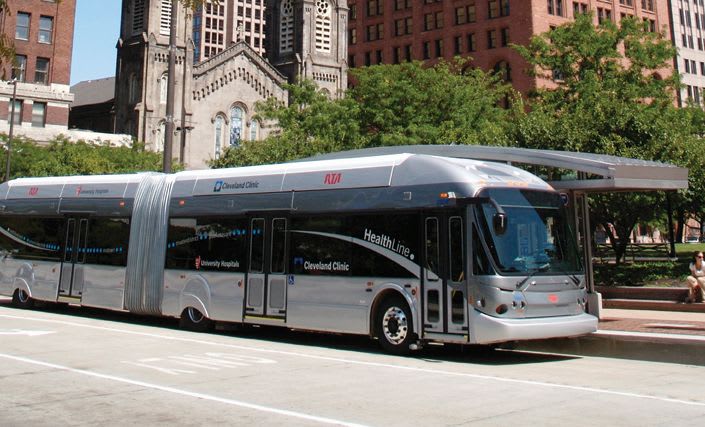
One to two teams per shift will initially provide coverage on GCRTA’s HealthLine and at RTA rail stations before expanding out to other routes and locations.
GCRTA
The Greater Cleveland Regional Transit Authority (GCRTA) is launching its new Transit Ambassador Program — a progressive policing and community engagement initiative that reduces the law enforcement’s footprint on GCRTA transit systems by integrating unarmed professionals to handle non-criminal issues.
“Our new Ambassador Program is a highly visible, uniformed civilian force created with the goal of preventing violence and disruptive behavior, providing assistance during medical emergencies, and maintaining a vigilant watch over rail stations, transit centers, and bus lines,” said GCRTA Chief of Police Deirdre Jones. “Our ambassador team includes Crisis Intervention Specialists who are trained and have expertise in using conflict resolution skills to help people experiencing mental health crises.”
Both Transit Ambassadors and Crisis Intervention Specialists will work in collaboration with GCRTA’s Transit Police and have their own specific responsibilities.
Transit Ambassadors responsibilities:
Provide general information and assistance to riders and the public.
Assist riders needing help with navigating GCRTA’s transit system.
Assist riders in understanding and complying with fare policies.
Request Transit Police assistance as needed.
Help maintain a safe and clean environment.
Crisis Intervention Specialists (licensed social workers who are embedded with Transit Police Officers) responsibilities:
Perform mental health, crisis, and substance abuse outreach.
Defuse immediate crises and serve as a gateway to available resources.
Establish relationships with social service agencies.
Transit Ambassadors and Crisis Intervention Specialists have received 40 hours of Crisis Intervention Team training along with training on de-escalation, defensive tactics, First Aid/CPR/Narcan, human trafficking awareness, and customer service.
One to two teams per shift will initially provide coverage on GCRTA’s HealthLine and at RTA rail stations before expanding out to other routes and locations.
“Crime prevention is an ongoing significant challenge for all major transit systems. However, we can and will continue to expand our safety measures with new programs, personnel, and technology to enhance safety for our riders, employees, and the public,” said GCRTA GM/CEO India L. Birdsong Terry. “To us, safety remains the baseline of all services we provide. And, we will never let down our guard. That’s our pledge to you.”
More Security and Safety

Transit Agencies Highlight Safety Gains at National Summit
Leaders from 15 major transit systems shared crime-reduction results and safety initiatives while discussing the role of continued federal support.
Read More →
DART Launches Major Security, Fare Enforcement Initiative
The 90-day demonstration will deploy coordinated security teams at five light rail stations while testing controlled access and gathering data to guide future investments.
Read More →
RTD Launches NextRide App to Consolidate Trip Planning, Fares, Security Reporting
The app expands on RTD’s existing NextRide web application and allows customers to view real-time vehicle locations and service alerts, purchase and store digital fares, and access customer support.
Read More →

TAPTCO Updates OSHA Compliance Training for Transit Maintenance Operations
The revamped program addresses 26 OSHA standards for maintenance facilities, with TAPTCO pointing to training, documentation, and everyday shop hazards as continuing challenges for transit operations.
Read More →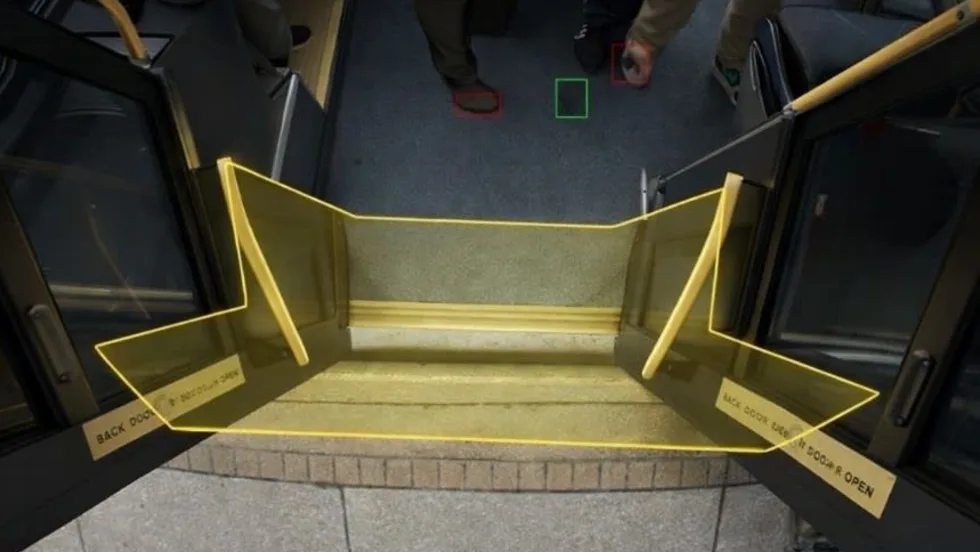
How VaporVision Adds Value to Transit Door Systems
Wabtec engineers explain how the system improves doorway detection, strengthens diagnostics and gives transit agencies and OEMs greater operating flexibility.
Read More →
FRA Announces $5.3B in Rail Investments, Including $2B for Amtrak
Funding will support grade-crossing improvements, infrastructure upgrades, and new Amtrak equipment in 23 states.
Read More →
Chicago, Maryland Expand Non-Law-Enforcement Safety, Rider Support
The CTA and MTA are launching new programs aimed at de-escalation, crisis response, rider assistance, and greater transparency.
Read More →
LA Metro, City of West Hollywood, and Partners Advance Smarter Bus Lane Enforcement
The award-winning partnership combines AI-powered detection with human oversight to improve bus reliability, accessibility, and enforcement efficiency.
Read More →
LA Metro Reports 57% Decline in Homelessness on Transit System Since 2024
The agency's latest homelessness count offers new data on how care-based services and cross-sector partnerships can complement traditional transit security strategies.
Read More →
FTA Launches 'Transit Moves America' Dashboard to Highlight Agency Safety and Performance
The online dashboard transforms National Transit Database information into a public-facing resource that allows users to compare transit agencies on key operational and safety metrics.
Read More →