




In Its Own Lane: Safe Fleet’s New System Aims to Clear Lanes, Improve Ridership
New York's MTA Installing Cameras on 300 Additional Buses
The first ABLE cameras from this latest deployment rolled out on the Q44 Select Bus Service (SBS) route.
October 5, 2022
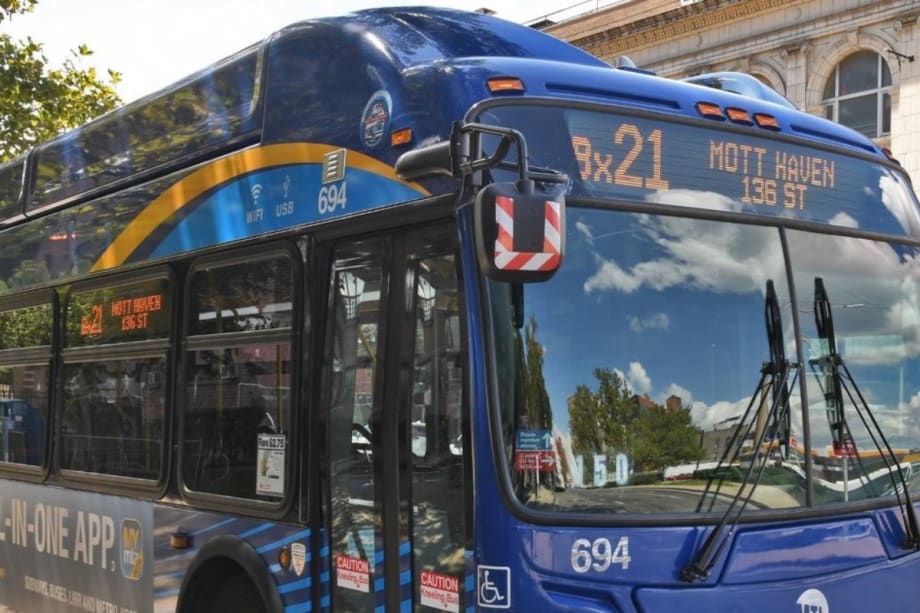
Currently, there are 123 buses equipped with ABLE cameras on seven routes across Brooklyn and Manhattan.
Photo: MTA
3 min to read
The Metropolitan Transportation Authority (MTA) announced an additional 300 buses across nine routes in Staten Island, the Bronx, Queens, and Brooklyn will have automated bus lane enforcement (ABLE) cameras by the end of the year, according to the agency's news release. The cameras will capture drivers violating busway and bus lane rules in real-time.
The first ABLE cameras from this latest deployment rolled out on the Q44 Select Bus Service (SBS) route.
“Improving the bus network must be at the top of the MTA agenda,” said Janno Lieber, MTA chair/CEO. “We have made tremendous progress over the last few years with new strategies designed to speed up our buses, and now we are doubling down by using technology to clear out bus lanes so MTA buses can keep moving.”
Currently, there are 123 buses equipped with ABLE cameras on seven routes across Brooklyn and Manhattan. The latest installment of cameras will expand the bus enforcement technology to all boroughs and cover approximately 50% of bus lane miles across the city, according to the MTA.
The MTA and New York City Department of Transportation (NYCDOT) have agreed to expand camera enforcement to cover up to 85% of existing bus lanes by the end of 2023. To reach that goal, the MTA said it plans to add 600 new cameras by the end of 2023. NYCDOT’s fixed cameras will work with these bus cameras to reduce the number of illegal cars and other vehicles in bus lanes.
The remaining routes will be rolled out as follows: S79 SBS, Bx12 SBS, Bx41 SBS, Bx19, Q43, B62, B25, and B42. Locations were determined to maximize the length of bus lanes covered, balance distribution between boroughs, address some of the newer bus lanes, and incorporate input from the MTA and NYCDOT on known locations with issues, according to the MTA.
Each bus lane corridor will have signage indicating the hours that the bus lanes are operable, and warning motorists that the lanes are camera-enforced, as the existing bus lane corridors have. NYCDOT will issue warnings to motorists for the first 60 days, in accordance with state law, to ensure drivers are informed about the program before any fines are levied. Drivers who violate these rules during enforcement periods are subject to a summons, with fines beginning at $50 and escalating, for repeat offenders, up to $250.
“We have seen how effective ABLE cameras are on the existing bus lanes,” said Richard Davey, New York City Transit president. “Based on our recent customer survey, wait time and service reliability are two very important factors for our customers. Bus service delivery has been above 95% for the past 3 months. With the installation of these ABLE cameras, customers who travel on these routes can look forward to a faster commute.”
More Bus

People Movement: Dan Dipert Coaches Adds Third-Generation Leader, Keolis Names New Valley Metro VP/GM, and More
In this edition, we also cover recent appointments and announcements at the Wabtec, SilverRide, HNTB, and more, showcasing the individuals helping to shape the future of transportation.
Read More →
New York MTA Plans Largest Bus Fleet Upgrade in More Than a Decade
The agency is seeking manufacturers for 650 new CNG buses to replace aging vehicles, improve reliability, and advance its broader fleet modernization strategy.
Read More →
Building a Flexible Path to Transit Electrification
John Hroncich discusses BAE Systems’ modular and scalable approach, lessons learned from decades of real-world operations, and how agencies can identify electrification strategies that fit their fleets.
Read More →
Bus Tech Talk: Keeping Transit Technicians Ahead of the Technology Curve
LA Metro’s Obed Mejia discusses technician training, evolving maintenance technology, fleet replacement, and strategies for getting the most out of today’s transit fleets.
Read More →
Biz Briefs: RIPTA Unveils New Frontrunners, Clevland RTA Adds New Siemens, and More
In METRO's latest installment, we take a look at recent news from Siemens, Prevost, Dodge, and more partnerships making headlines across the transportation sector.
Read More →
People Movement: Holly Arnold Joins Transdev and More
In this edition, we also cover recent appointments and announcements at Pace, CamTran, MCI, and more, showcasing the individuals helping to shape the future of transportation.
Read More →
The High Cost of Transit Buses: Industry Leaders Look to Procurement Reform
Transit leaders and policymakers examine how standardized bus designs, streamlined procurement, and predictable funding could help agencies stretch budgets and deliver better service.
Read More →
The Business Voice Behind Public Transportation
As chair of APTA’s Business Members Board of Governors, Ray Melleady explains how more than 850 business members are partnering with transit agencies to advance funding, innovation, and industry-wide collaboration.
Read More →
From Surviving to Thriving: Building Stronger Transportation Organizations
Bus Business Consultants founder Brian Dickson shares lessons on leadership, organizational health, and creating options for long-term success in a changing transportation industry.
Read More →
Finding the ‘Happy Medium’: Optimizing Maintenance Without Sacrificing Reliability
The key to maintenance optimization isn’t doing less work—it’s doing the right work at the right time on the right assets.
Read More →