



CTA Begins Seeking Contractor Qualifications for Red Line Extension
Commencing work on the RLE project is dependent on securing funding, however, by beginning this process of pre-qualifying potential contractors now will help expedite overall project development and ensure CTA maintains its timeline to begin construction as early as 2025.

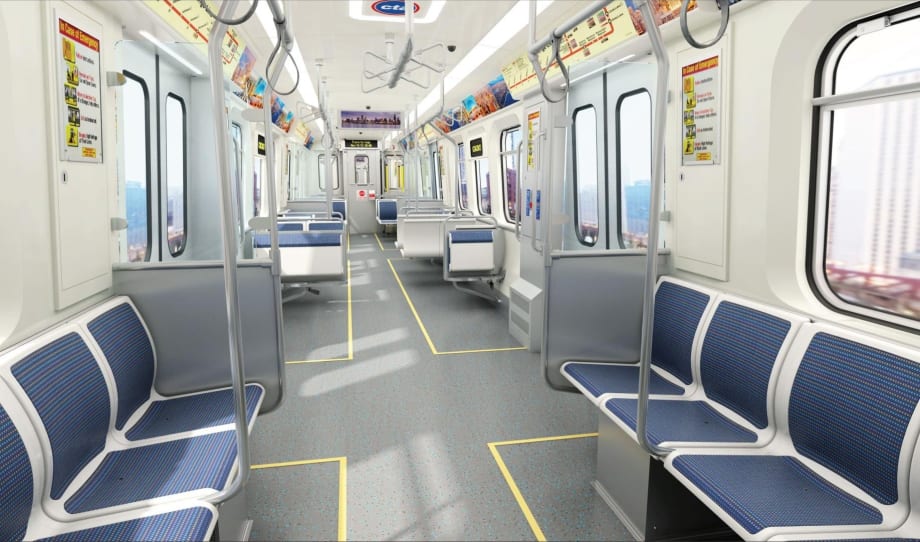
The planned $3.6 billion RLE project will extend the Red Line from the existing southern terminal at 95th Street to 130th Street.
CTA
The Chicago Transit Authority (CTA) is taking the next major step in advancing the transformational Red Line Extension (RLE) project by seeking the most qualified firms in the industry to design and build the 5.6-mile rail line extension, which will provide long-awaited and much needed connection to jobs, education, commerce, and opportunity, while also serving as a catalyst for economic development that benefits the entire City of Chicago.
The planned $3.6 billion RLE project will extend the Red Line from the existing southern terminal at 95th Street to 130th Street. As part of the RLE project, four new accessible rail stations will be added, plus a new and modern efficient railcar storage yard and maintenance facility that will benefit users of the entire Red Line.
As part of a two-step procurement process, the CTA announced it will issue a Request for Qualifications (RFQ) to select a pool of the most qualified contracting teams that can demonstrate the ability to design and build the mainline infrastructure and stations portion of the RLE project.
Commencing work on the RLE project is dependent on securing funding, however, by beginning this process of pre-qualifying potential contractors now will help expedite overall project development and ensure CTA maintains its timeline to begin construction as early as 2025.
“The Red Line Extension is more than just a transit project, it is a long-overdue investment for Chicago’s Far South Side that will provide benefits that extend to all corners of the city,” said CTA President Dorval R. Carter Jr. “There’s never been a better time than now to advance such a project, which is why we are full-steam ahead and beginning the lengthy process of seeking out qualified contractors for this complex project so that we can stay on course with the project timeline. The sooner we can award a contract, the sooner we are able to start extending contracting opportunities to small, disadvantaged local businesses and creating good paying jobs for Chicagoans.”
Once a pool of candidate teams is finalized, CTA will then invite the potential bidders to submit proposals on how they suggest designing and building the RLE project when the agency issues its Request for Proposals (RFP) — all of which is expected to occur in mid-2023. The proposals will be considered on a variety of criteria, including experience, price, and other factors.
The RLE project is expected to create 6,200 direct construction jobs. CTA will host numerous outreach events to encourage participation by Disadvantaged Business Enterprise (DBE)-certified firms and other minority owned firms that wish to participate in the project to meet the DBE goals that will be assessed.
Additionally, the project RFP will include a section that requires proposers to describe their plans to reach out to the DBE community and their strategies to meet or exceed the workforce goals that will be established for the project.
More Rail

New York MTA Advances Final Contract for Second Avenue Subway Expansion
Contract Four is the largest in the Second Avenue Subway Phase 2 project and includes construction of station infrastructure, tracks, and signals for the subway expansion, MTA officials said. Work on Contract Four will begin in 2027.
Read More →
San Diego MTS Breaks Monthly Trolley Ridership Record
Agency officials said July’s ridership indicates MTS’s continued recovery from the pandemic.
Read More →
Report Examines NJ TRANSIT Reliability, Funding Challenges
The Garden State Initiative analysis examines the roles of Amtrak infrastructure, fleet management, and agency operations while recommending a more performance-based approach to improving reliability.
Read More →
Stadler, CapMetro Sign Long-Term Rail Fleet Support Agreement
Beginning in 2027, Stadler will provide on-site technical expertise, spare parts support, training, and obsolescence management to help extend the reliability and longevity of CapMetro’s GTW fleet.
Read More →
Biz Briefs: Alstom Lands Canadian Contract, LYT to Supply California TSP, and More
In METRO's latest installment, we take a look at recent news from Complete Coach Works, Beep, FlixBus, and more partnerships making headlines across the transportation sector.
Read More →
CATS Gold Line Marks 5 Years of Service, 2.8M Passenger Trips
With a six-mile expansion planned, the Charlotte streetcar is positioned to connect more neighborhoods and major transit hubs across the region.
Read More →
Why Simulating Pedestrian Movement Has Become Essential for Modern Rail Stations
Pedestrian microsimulation is helping rail planners identify bottlenecks, test station designs, and prepare complex transit hubs for growing passenger volumes.
Read More →
Amtrak Begins Major Construction at New York’s Sunnyside Yard
The new maintenance facility will support Amtrak’s Airo trainsets while improving maintenance efficiency and turnaround times in New York.
Read More →
Chicago Leaders Unveil Plans for O’Hare Airport Express Train
The privately developed project would offer a 15-minute trip between downtown and O’Hare’s Terminal 2, with trains operating every 15 minutes on a dedicated track. The service would use battery-electric trains and three existing freight rail rights-of-way.
Read More →
OCTA Maps Out 30-Year Strategy to Protect Coastal Rail Corridor
The draft feasibility report identifies strategies to protect the coastal rail line for decades as the agency continues near-term stabilization and sand placement efforts.
Read More →