



Navetty Project Shuttles Now Autonomous
The Navetty research program aims to promote industrial R&D in the region.

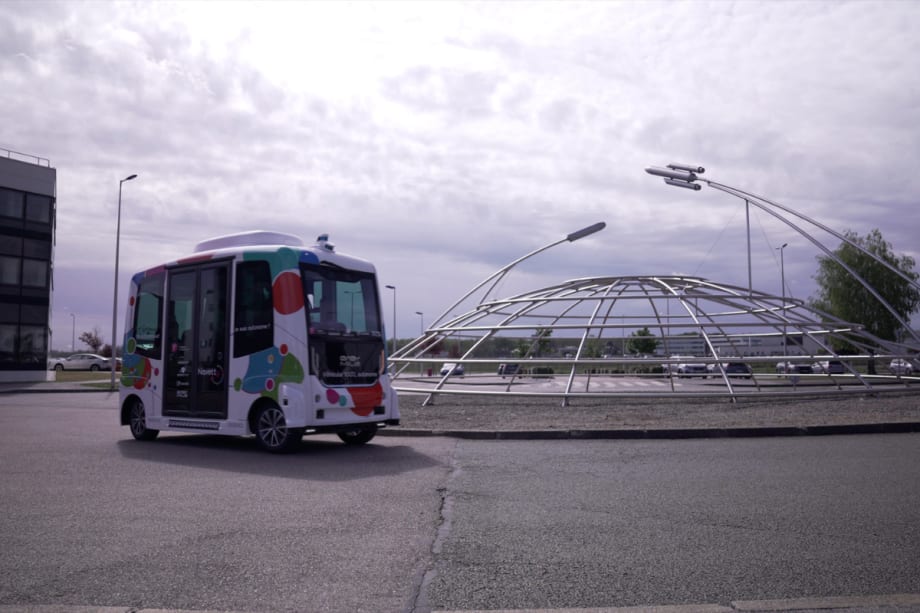
The Yvelines department has invested 2.5 million euros in the project.
Photo: Navetty
The autonomous and electric shuttles of the Navetty research project, supported by the Yvelines Department, EasyMile, Transdev, Ariane Group, and VEDECOM have been running with an on-board supervisor since their official launch in May 2021 at the ArianeGroup site in Les Mureaux, France.
In early November, a new step was taken. The fleet of shuttles is now running completely autonomously, without a human supervisor inside the vehicle, according to Navetty's news release.
The Yvelines department has invested 2.5 million euros in the project, and the Navetty research program aims to promote industrial R&D in the region.
"Solving the last mile problem, which many of the region's residents encounter in their daily travels, is also a priority objective, and is fully in line with the strengthening of the region's mobility investment policy," said Maxime Rabasté, director of environment and development position at the Yvelines department. "This autonomous shuttle service should eventually provide an optimal connection to the future RER EOLE stations. The department is also continuing to support the strengthening of links between the aeronautical, technological, and automotive industries, which are very present in the region."
Two shuttles, developed by EasyMile and operated by Transdev, run daily on routes of up to 6.6 km to enable Ariane Group employees to travel around the 92-hectare site. Since the launch, more than 50 daily trips have been made, covering 23,000 kilometers in complete safety.
The shuttles are integrated into a shared environment where pedestrians and vehicles circulate, without modifying existing infrastructures or dedicated lanes. The route integrates traffic circles, intersections, a tunnel, and 18 stops spread throughout the site
"We are proud to have a reliable and relevant service for ArianeGroup employees, on such a complex site and in a totally autonomous way," said Benoit Perrin, GM of EasyMile. "Autonomous shuttles reinforce the attractiveness of public transport, by offering practical and safe collective mobility solutions. Our technology is ready to be deployed on sites of this scale and other sites will soon follow Ariane's example."
The autonomous shuttles were deployed progressively over a period of five months, guaranteeing a total level of safety at each stage. A remote supervisor can intervene or interact with passengers at any time from the Central Control Station (CCS), with the possibility of acting when necessary.
The arrival of a third shuttle in January will test the feasibility of supervising a fleet of three autonomous shuttles with a single supervisor.
"Through this program, Transdev is preparing to operate the first commercial autonomous shuttle services," said Virginie Fernandes, director of strategy and transformation for the Transdev group. "From the training of supervisors to the deployment and operation of the service, we are applying our business expertise to achieve the same standards of safety and quality of service as in our fleets of driven vehicles."
Navetty said the project will continue to progress, with the launch in 2023 of a route on an open road between the Mureaux train station and the Ariane Group site. This will be an opportunity to test the implementation of a "last-mile" service and to reflect on the next stages of deployment.
More New Mobility
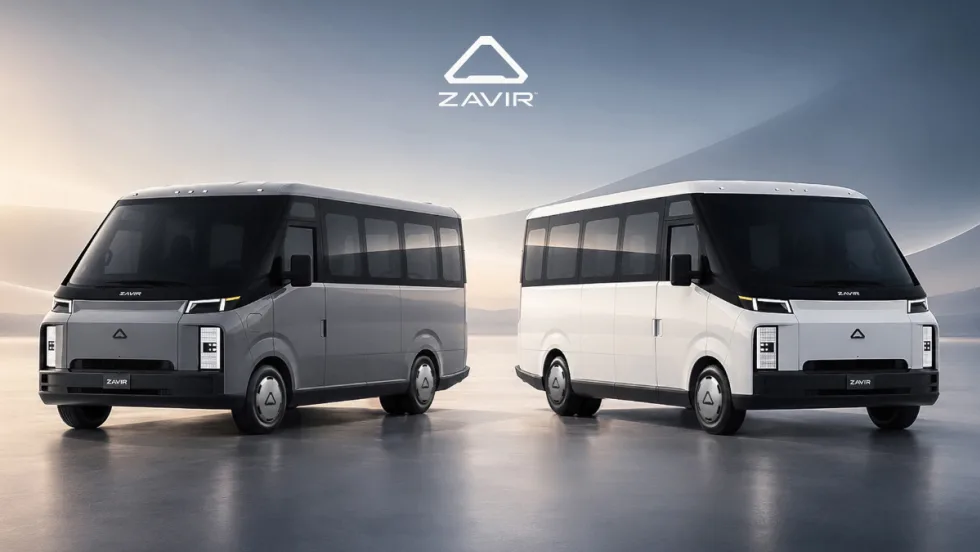
ENC Unveils ZAVIR Medium-Duty Electric Shuttle at APTA EXPO
The new ZAVIR brand targets shuttle and paratransit operations with battery-electric and range-extended electric vehicle options.
Read More →
Public Transit Conference Returning to GFX in 2027, Call for Papers Now Open
The Call for Papers is now open, allowing transit agency professionals and industry experts to help shape the PTC educational program by submitting session ideas for consideration.
Read More →
Everett Transit, Community Transit Outline Consolidation Agreement
The proposed agreement calls for a 50% increase in bus service in Everett, a new microtransit zone, continued paratransit service, and the transfer of Everett Transit operations to Community Transit.
Read More →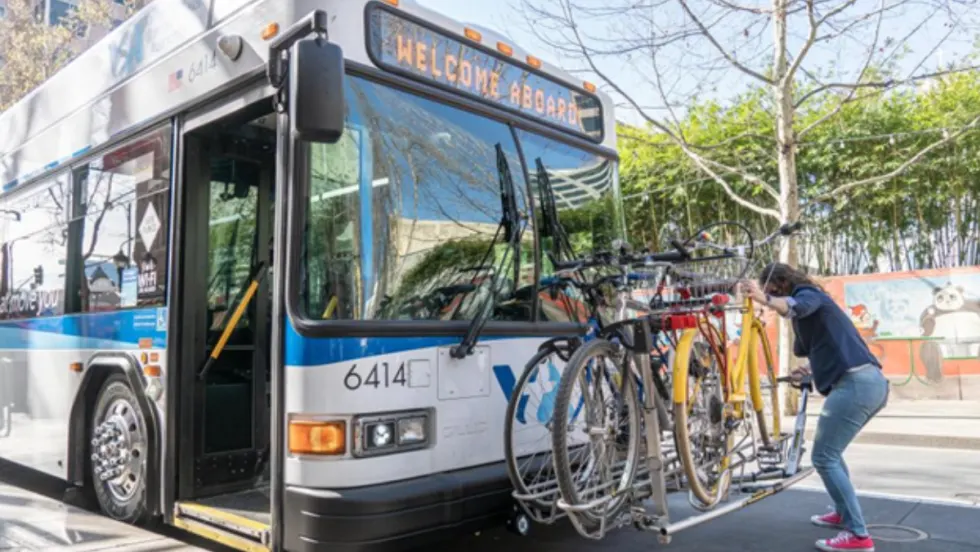
What Multimodal Data Can Tell Transit Agencies About Rider Demand
See how bike-on-bus data is giving transit agencies new insight into rider demand, capacity constraints, and gaps in first- and last-mile connections.
Read More →
From Hardware to Digital Partner: Luminator Charts Its Next Chapter
CEO Magnus Friberg discusses Luminator’s shift toward becoming a digital partner, the growing importance of software and interoperability, and how AI can help agencies improve operations and passenger experience.
Read More →
Biz Briefs: Alstom Lands Canadian Contract, LYT to Supply California TSP, and More
In METRO's latest installment, we take a look at recent news from Complete Coach Works, Beep, FlixBus, and more partnerships making headlines across the transportation sector.
Read More →
CharterUP’s Armir Harris on Technology, AI, and the Future of Group Mobility
In a recent episode of METROspectives, CharterUP Founder/CEO Armir Harris discussed the company’s evolution from an online charter bus marketplace into a technology platform supporting public- and private-sector mobility and much more.
Read More →
Jacksonville’s NAVI Project Charts a New Course for Autonomous Public Transportation
Through its NAVI program, JTA is showing how autonomous vehicles, intelligent infrastructure, and coordinated operations can work together to deliver everyday public transportation.
Read More →
Biz Briefs: Luminator Marks Milestone and More
From manufacturers and suppliers to transit agencies and motorcoach operators, these updates offer a snapshot of the projects, partnerships and business moves driving the industry forward.
Read More →
New Tricks for Old Bureaucracies: Joshua Schank on Making Transit Innovation Stick
Former LA Metro Chief Innovation Officer Joshua Schank discusses why good ideas aren't enough, how transit agencies can overcome resistance to change, and why today's challenges demand more innovation.
Read More →