



USDOT Announces TRACS Appointments
TRACS provides information, advice, and recommendations on transit safety and other issues as determined by the Secretary of Transportation and the FTA Administrator.

TRACS meets as a full committee at least once a year. Meetings are announced in the Federal Register and are open to the public.
FTA
As part of the U.S. Department of Transportation’s (USDOT) focus on improving the safety of public transportation systems, U.S. Transportation Secretary Pete Buttigieg announced the appointment of 24 members to the Federal Transit Administration’s (FTA) Transit Advisory Committee for Safety (TRACS).
“At the Department of Transportation, our top priority is ensuring the safety of every member of the traveling public, including the workforce,” said Secretary Buttigieg. “We look forward to working with the 24 members of TRACS — representing experts from large cities, small towns, academia, non-profits, organized labor, and more — to support the continued safety of public transit across America.”
TRACS’s membership reflects the geographic, size, and issue diversity across the transit industry and includes members from large and small bus and rail operators, state safety oversight agencies, academia, non-profit organizations, and labor unions from rural communities to America’s most populous cities.
TRACS provides information, advice, and recommendations on transit safety and other issues as determined by the Secretary of Transportation and the FTA Administrator. TRACS meets as a full committee at least once a year. Meetings are announced in the Federal Register and are open to the public. The first meeting will be held in early 2023.
Since 2009, TRACS has provided FTA with valuable recommendations on critical issues, such as establishing a Fatigue Management Program for the Bus and Rail Transit Industry and researching transit worker accidents and fatalities to better protect them in railway corridors. The TRACS charter was renewed in February 2022.
TRACS appointments are for two-year terms. New committee members include:
Edward Abel, director, operational safety, Southeastern Pennsylvania Transportation Authority.
Brian Alberts, sr. director, safety and advisory services, APTA.
Johanna Cockburn, director, transportation, City of Greensboro, N.C.
Beverly Edwards, COO, First Transit, Cincinnati.
Rebecca Frankhouser, chief safety officer/managing director, safety, security, and quality assurance, King County Metro, Seattle.
David Harris, transit and rail division director, New Mexico Department of Transportation.
Molly Hughes, public transportation safety administrator, Washington State Department of Transportation.
Donna Johnson, VP/chief safety officer, Dallas Area Rapid Transit.
Laura Karr, associate general counsel, Amalgamated Transit Union.
Jim Keane, GM, operations safety, Port Authority of New York and New Jersey.
Thomas Lamb, chief, innovation and technology, New York City Transit.
Brian Lapp, sr. VP/chief safety officer, New Jersey Transit.
Raymond Lopez, deputy executive officer, corporate safety, L.A. Metro.
Rachel Maleh, executive director, Operation Lifesaver Inc.
Santiago Osorio, chief safety officer, Houston METRO.
Karen Philbrick, executive director, San Jose State University, Mineta Transportation Institute.
Ashley Porter, transit safety programs manager, Florida Department of Transportation.
Patrick Preusser, director, rapid transit, City and County of Honolulu, Department of Transportation Services.
Reggie Reese, chief safety officer, Pierce Transit, Lakewood, Wash.
Adam Sharkey, deputy director, River Cities Public Transit, Pierre, S.D.
Justin Sobeck, state safety oversight program manager/passenger rail safety specialist, Missouri Department of Transportation.
Lisa Staes, associate director, transit safety and workforce development program, University of South Florida, Center for Urban Transportation Research.
Gardner Tabon, executive VP, systemwide accessibility/chief safety officer, CapMetro, Austin, Texas.
Curtis Tate, international administrative VP, Transport Workers Union.
More Security and Safety

Transit Agencies Highlight Safety Gains at National Summit
Leaders from 15 major transit systems shared crime-reduction results and safety initiatives while discussing the role of continued federal support.
Read More →
DART Launches Major Security, Fare Enforcement Initiative
The 90-day demonstration will deploy coordinated security teams at five light rail stations while testing controlled access and gathering data to guide future investments.
Read More →
RTD Launches NextRide App to Consolidate Trip Planning, Fares, Security Reporting
The app expands on RTD’s existing NextRide web application and allows customers to view real-time vehicle locations and service alerts, purchase and store digital fares, and access customer support.
Read More →

TAPTCO Updates OSHA Compliance Training for Transit Maintenance Operations
The revamped program addresses 26 OSHA standards for maintenance facilities, with TAPTCO pointing to training, documentation, and everyday shop hazards as continuing challenges for transit operations.
Read More →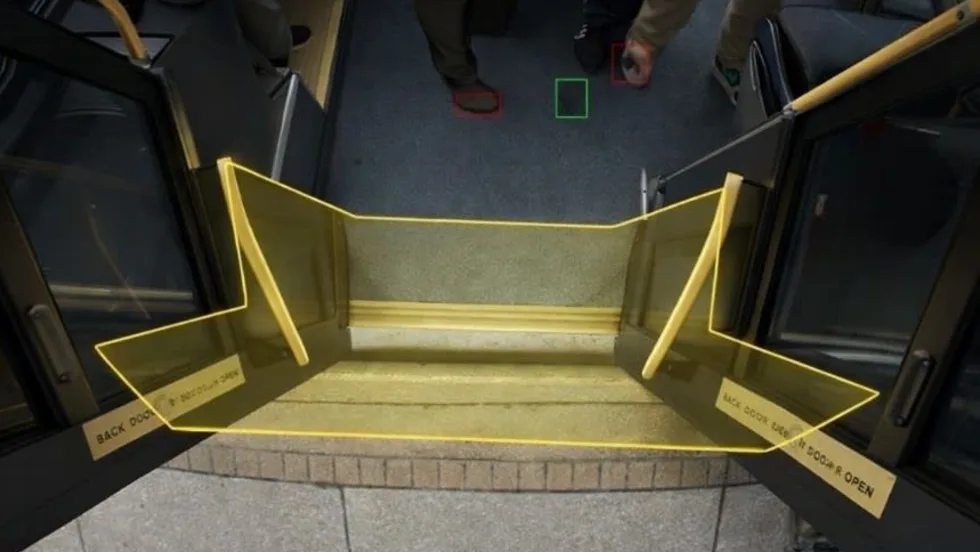
How VaporVision Adds Value to Transit Door Systems
Wabtec engineers explain how the system improves doorway detection, strengthens diagnostics and gives transit agencies and OEMs greater operating flexibility.
Read More →
FRA Announces $5.3B in Rail Investments, Including $2B for Amtrak
Funding will support grade-crossing improvements, infrastructure upgrades, and new Amtrak equipment in 23 states.
Read More →
Chicago, Maryland Expand Non-Law-Enforcement Safety, Rider Support
The CTA and MTA are launching new programs aimed at de-escalation, crisis response, rider assistance, and greater transparency.
Read More →
LA Metro, City of West Hollywood, and Partners Advance Smarter Bus Lane Enforcement
The award-winning partnership combines AI-powered detection with human oversight to improve bus reliability, accessibility, and enforcement efficiency.
Read More →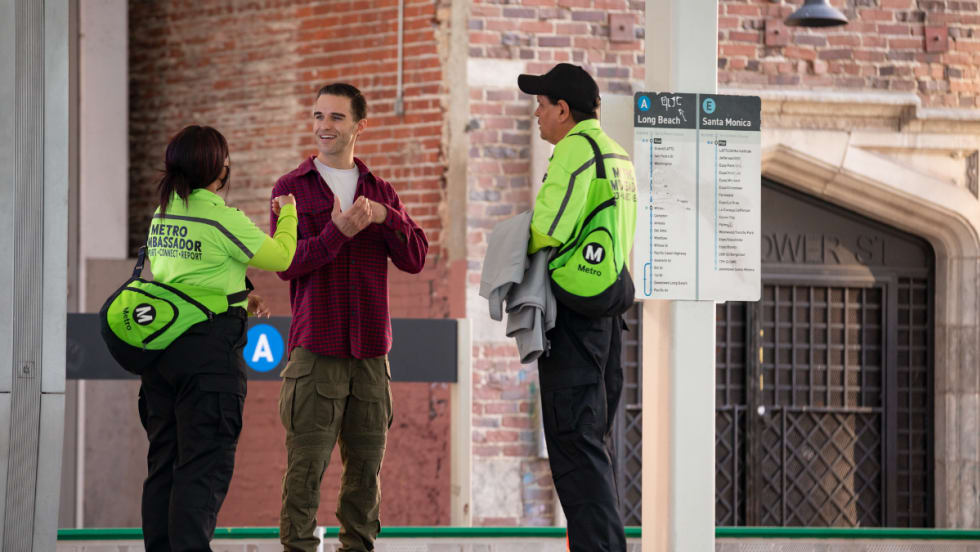
LA Metro Reports 57% Decline in Homelessness on Transit System Since 2024
The agency's latest homelessness count offers new data on how care-based services and cross-sector partnerships can complement traditional transit security strategies.
Read More →
FTA Launches 'Transit Moves America' Dashboard to Highlight Agency Safety and Performance
The online dashboard transforms National Transit Database information into a public-facing resource that allows users to compare transit agencies on key operational and safety metrics.
Read More →