




Take a Detour: STM, Transit Test New Bus Detour Tool
UTA Launches Mobile Ticketing Solution
The service is available to agencies of all sizes and can be deployed as a stand-alone app or alongside existing mobile ticketing options.
March 9, 2023
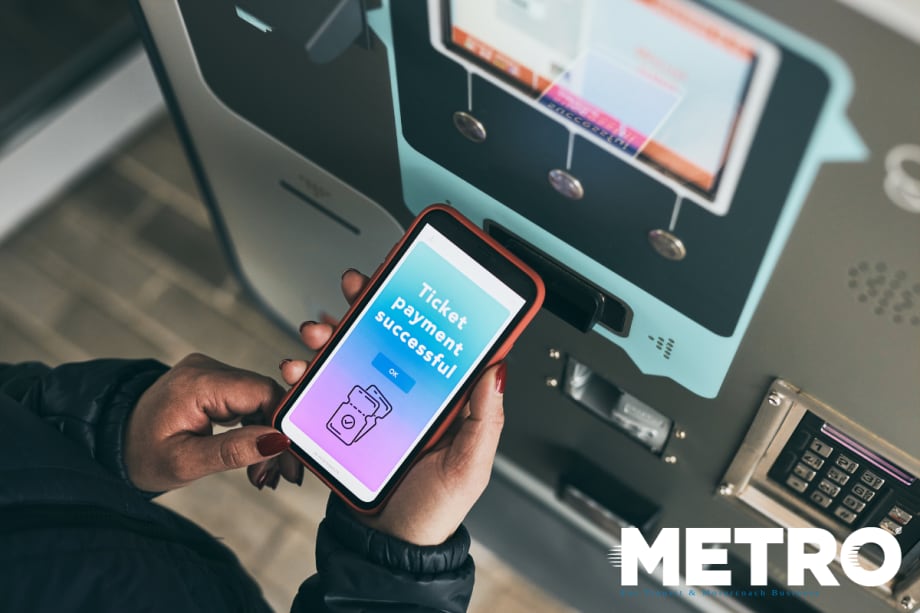
UTA riders can purchase fares in Transit, create an account, and enter their credit card information to purchase a ticket.
Photo: Canva/METRO
2 min to read
The Utah Transit Authority (UTA) announced the launch of a new digital fare payment system with Masabi and Transit, according to the agency's news release.
Now, riders are able to use Transit to plan trips and pay for services across the agency’s network of more than 120 routes and a 1,400-mile service area comprising buses, commuter and light rail, On Demand transit, and streetcar services.
UTA riders can purchase fares in Transit, create an account, and enter their credit card information to purchase a ticket. When they’re ready to ride, customers activate their ticket and show it to the operator when boarding.
By enabling passengers to plan, track, and pay for their ride in one app, courtesy of the ticketing functionality powered by Masabi’s Justride SDK in the Transit app, UTA is providing customers with a service at every step of the journey.
“Mobile ticketing is a logical choice for agencies of all sizes, putting the efficiency and convenience of instant ticket purchasing and processing in the hands of riders, making for smoother journeys and lower overheads for agencies,” said Brian Zanghi, CEO of Masabi. “We are delighted to launch this best-in-class solution alongside our partners at Transit and look forward to working with the agency to improve their services and delight their customers, kickstarting a new era of transit convenience across the Wasatch region.”
Through this partnership with Masabi and Transit, a single app enables a multimodal experience. The Transit app is downloadable from the App Store and Google Play, and UTA riders will be able to purchase and use all UTA fare products, including monthly passes and group travel.
Transit also added support for origin-destination fares, enabling riders to use the app to purchase tickets for FrontRunner, UTA’s commuter train.
The service is available to agencies of all sizes and can be deployed as a stand-alone app or alongside existing mobile ticketing options.
“We want to make riding public transit as simple and stress-free as possible, and this solution for UTA in partnership with Masabi helps us do that,” said David Block-Schachter, chief business officer at Transit. “Since 2019, UTA passengers have relied on Transit to find their next trip and track their ride in real-time. In 2021, we also launched an on-demand microtransit integration with UTA. Adding the ability to buy transit fares is another big step towards giving riders everything they need in one app.”
More New Mobility

From Hardware to Digital Partner: Luminator Charts Its Next Chapter
CEO Magnus Friberg discusses Luminator’s shift toward becoming a digital partner, the growing importance of software and interoperability, and how AI can help agencies improve operations and passenger experience.
Read More →
Biz Briefs: Alstom Lands Canadian Contract, LYT to Supply California TSP, and More
In METRO's latest installment, we take a look at recent news from Complete Coach Works, Beep, FlixBus, and more partnerships making headlines across the transportation sector.
Read More →
CharterUP’s Armir Harris on Technology, AI, and the Future of Group Mobility
In a recent episode of METROspectives, CharterUP Founder/CEO Armir Harris discussed the company’s evolution from an online charter bus marketplace into a technology platform supporting public- and private-sector mobility and much more.
Read More →
Jacksonville’s NAVI Project Charts a New Course for Autonomous Public Transportation
Through its NAVI program, JTA is showing how autonomous vehicles, intelligent infrastructure, and coordinated operations can work together to deliver everyday public transportation.
Read More →
Biz Briefs: Luminator Marks Milestone and More
From manufacturers and suppliers to transit agencies and motorcoach operators, these updates offer a snapshot of the projects, partnerships and business moves driving the industry forward.
Read More →
New Tricks for Old Bureaucracies: Joshua Schank on Making Transit Innovation Stick
Former LA Metro Chief Innovation Officer Joshua Schank discusses why good ideas aren't enough, how transit agencies can overcome resistance to change, and why today's challenges demand more innovation.
Read More →
How DART's GoPass Is Redefining Regional Mobility
Serving 14 transit agencies, GoPass simplifies multimodal travel by allowing riders to plan, pay for, and manage an entire trip through one app.
Read More →
Biz Briefs: OCTA Taps Clean Energy for Hydrogen Station, Stadler to Supply Via Rail Vehicles, and More
From manufacturers and suppliers to transit agencies and motorcoach operators, these updates offer a snapshot of the projects, partnerships and business moves driving the industry forward.
Read More →CharterUP Expands Into New Mobility and Autonomous Transportation
Vice President of New Mobility Stephen Joos discusses how CharterUP is leveraging its nationwide transportation network, technology platform, and autonomous vehicle partnerships to expand into workforce mobility, campus shuttles, and transit solutions.
Read More →
METRO Magazine Announces 2026 Innovative Solutions Awards Winners
Projects Recognized for Advancing Mobility Through Technology, Accessibility, Workforce Innovation, and Operational Excellence
Read More →