



Chicago's Metra Adopts Passenger Code of Conduct
The new Passenger Code of Conduct is in response to a law passed by the Illinois Legislature in 2023 that gives transit agencies the ability to act against riders who engage in certain conduct.

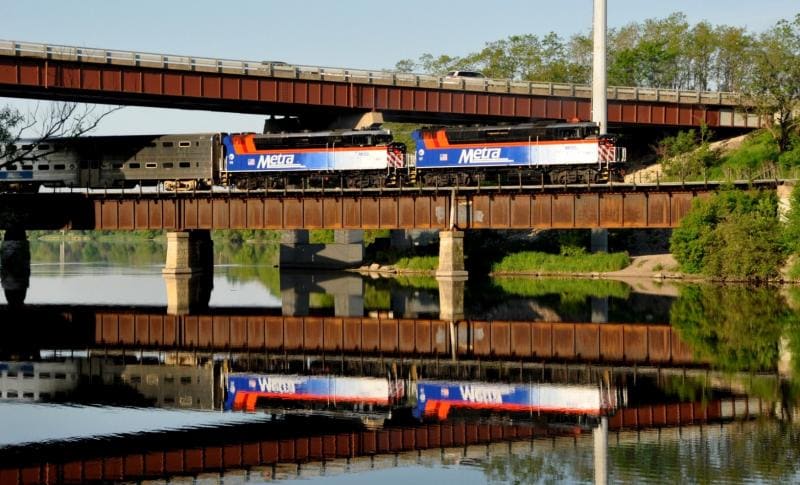
If a person engages in any of the unwanted behaviors, Metra employees will contact Metra Police, who will issue a notice to the passenger and schedule a hearing date regarding confiscation of fare cards (or withdrawal of mobile tickets from the Ventra app) and/or suspension of riding privileges.
Photo: Metra
Chicago Metra’s board adopted a Passenger Code of Conduct that identifies prohibited behaviors for anyone using Metra facilities or trains and allows for the suspension of riding privileges and/or confiscation of the fare media of passengers whose behavior threatens the safety of train crews, other employees, and fellow riders.
The new Passenger Code of Conduct is in response to a law passed by the Illinois Legislature in 2023 that gives transit agencies the ability to act against riders who engage in certain conduct.
Metra’s New Code of Conduct
Examples of prohibited conduct include:
Verbally or physically threatening the safety of another person/others.
Causing or attempting to cause physical harm to another person/others.
Pushing or attempting to push another person/others.
Hitting, kicking, or attempting to hit or kick another person/others.
Attacking or threatening to attack another person/others with a weapon. This includes, but is
not limited to waving weapons or pointing a gun at another person/others (regardless of
whether the gun is loaded).
Throwing or attempting to throw things at another person/others.
Spitting on or attempting to spit on another person/others.
Sexually assaulting or attempting to sexually assault another person or persons.
Engaging in acts of public indecency.
“The safety of our riders and our workers is paramount, and Metra intends to make full use of this new state law to make sure we are protecting both riders and workers to the best of our ability,” said Metra Executive Director/CEO Jim Derwinski.
Violation Consequences
If a person engages in any of these behaviors, Metra employees will contact Metra Police, who will issue a notice to the passenger and schedule a hearing date regarding confiscation of fare cards (or withdrawal of mobile tickets from the Ventra app) and/or suspension of riding privileges. Metra Police may also issue criminal citations, as warranted.
The hearings, which can be conducted in person at Metra headquarters, remotely, or by telephone, must take place before any suspension of riding privileges and/or confiscation of fare media occurs. Riders may waive their right to a hearing and ask that the confiscation/suspension be imposed earlier. If fare media is confiscated and/or riding privileges are suspended after the hearing, the violators will have the right to up to two appeals.
Suspensions can range from 10 days to one year. However, repeat offenses may result in lengthier suspensions lasting longer than a year.
If the fare media is confiscated, the value of any unexpended fare credit or unexpired passes will be reimbursed. Metra Police will keep a database of individuals, and if they are caught riding during their suspension period, they may be arrested for criminal trespass.
“No transit employee should have to face an individual who has spit in their face, threatened their life, placed their hands on them or physically assaulted them. With Metra's new Code of Conduct, those acts, along with others, will now be cause for someone to lose riding privileges, and repeated offenses can, and should, lead to lengthy suspensions,” said Bob Guy, state director for the SMART Transportation Division, the union that represents Metra conductors. “We thank Metra for working with SMART-TD on this new policy and will look forward to its enforcement to help with the safety and security of not only our members, but also the valued customers of Metra.”
More Security and Safety
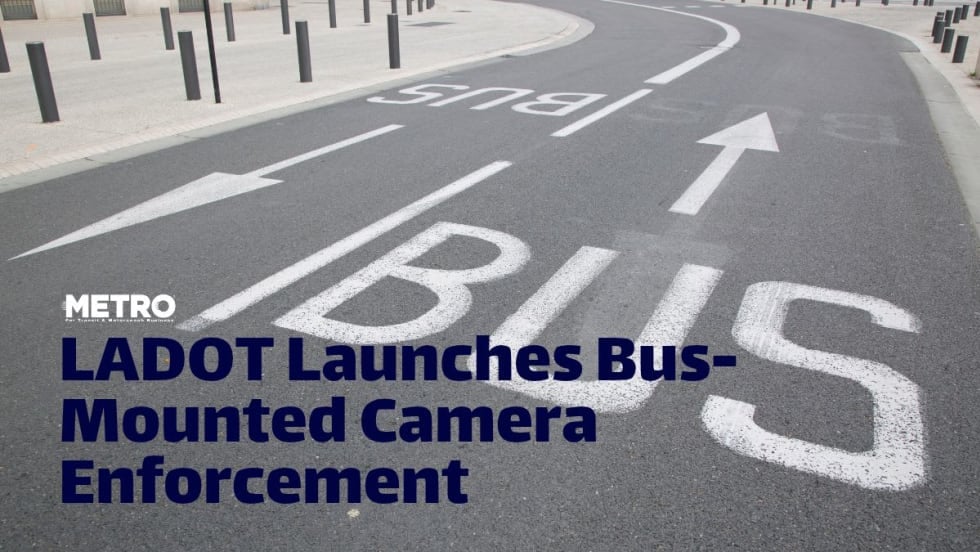
LADOT to Launch Bus-Mounted Camera Enforcement on DASH Buses
The program will begin with a 60-day warning period before citations are issued in January 2027, joining similar efforts across Southern California to improve bus reliability, safety, and accessibility.
Read More →
New York MTA Launches Historic $1.9B Signal, Track Modernization Project
Funded in part by congestion pricing revenue, the project will replace nearly century-old signals along the A and C lines in Brooklyn and Queens.
Read More →
CSA Group Releases Climate Resilience Standard for Transit, Passenger Rail
Developed with support from the Standards Council of Canada, CSA D700 guides assessing climate-related risks and planning adaptation measures for transit and passenger rail systems.
Read More →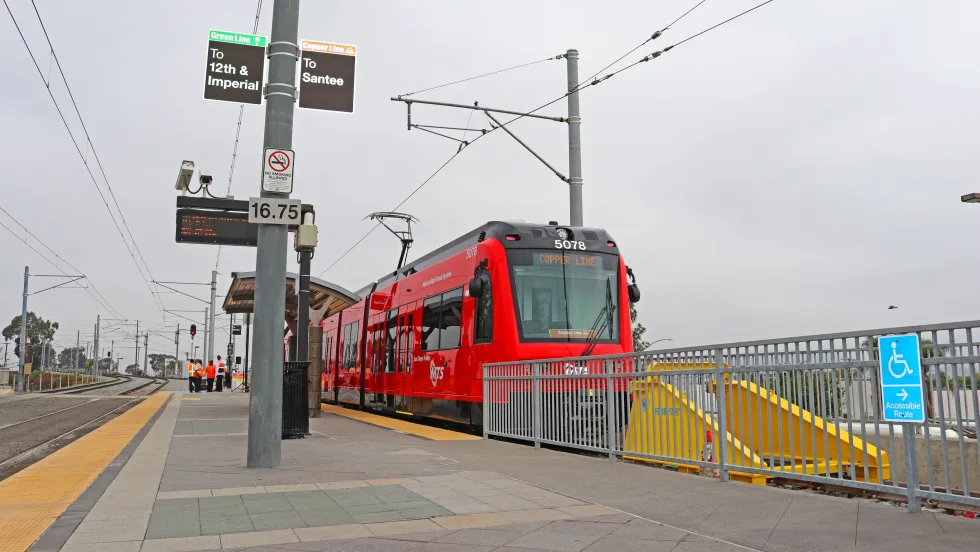
San Diego MTS Approves New Fare Evasion Penalty Program
The new administrative process will move eligible violations out of the criminal court system, cap penalties at $125, and provide flexible payment options for riders.
Read More →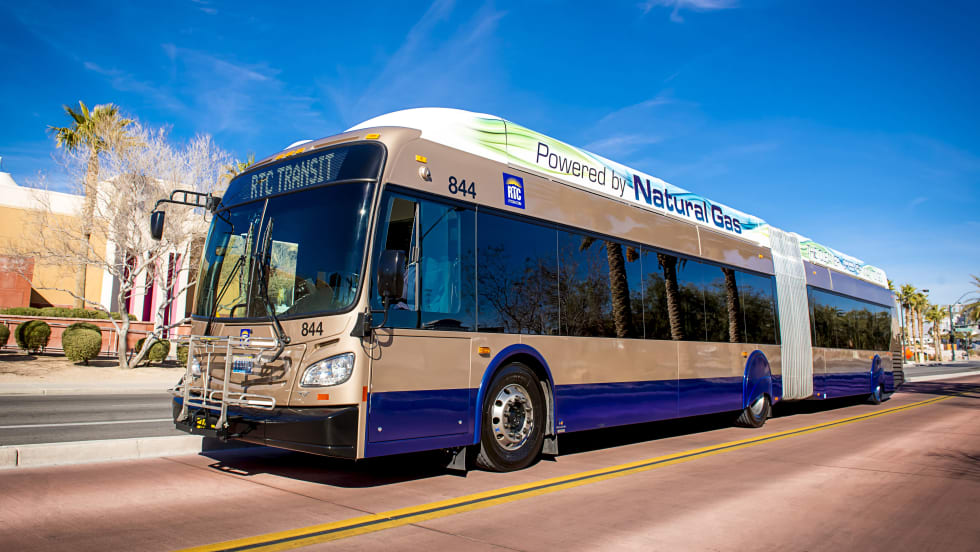
RTC of Southern Nevada Reports 29% Drop in Transit Operator Assaults
The agency credits expanded security measures, employee training, and technology investments for improvements in transit safety, while security officers have responded to 19 suspected overdoses since July.
Read More →
Public Transit Conference Returning to GFX in 2027, Call for Papers Now Open
The Call for Papers is now open, allowing transit agency professionals and industry experts to help shape the PTC educational program by submitting session ideas for consideration.
Read More →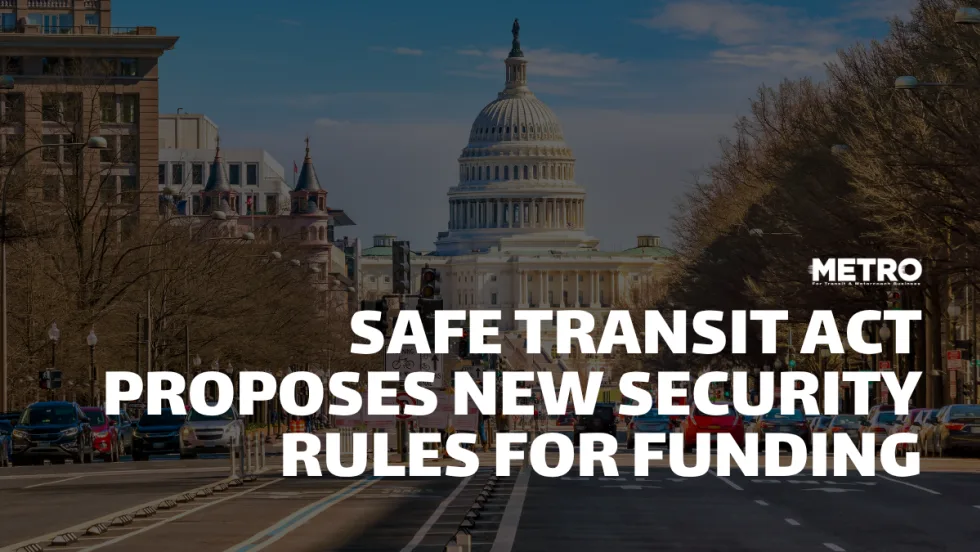
Safe Transit Act Proposes New Security Requirements for Federal Transit Funding
Proposed legislation would link federal transit dollars to safety measures while requiring security investments, onboard cameras, and new fare collection standards.
Read More →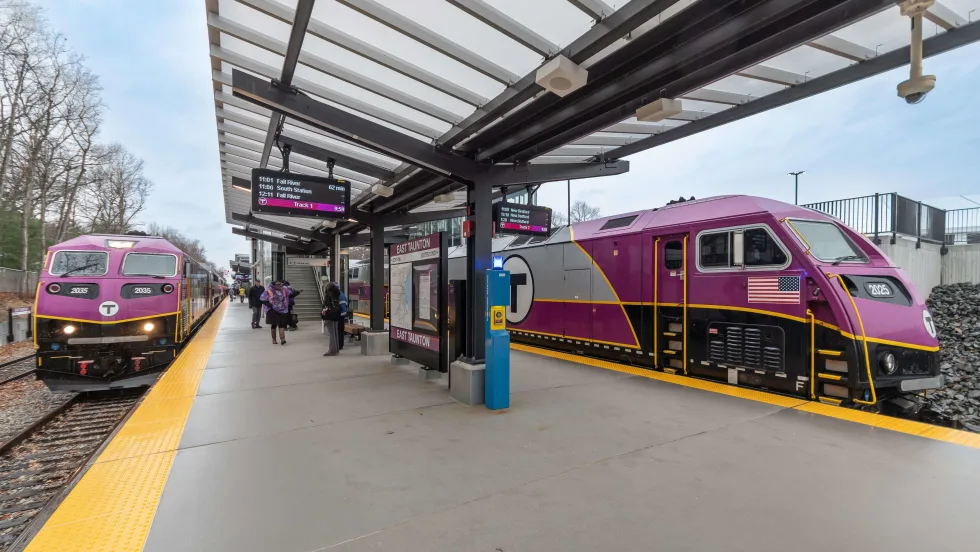
FTA Ends Direct Oversight of MBTA Safety Actions
The federal agency closed its remaining special directive to the Massachusetts Department of Public Utilities following a safety review that began in 2022.
Read More →
Transit Agencies Highlight Safety Gains at National Summit
Leaders from 15 major transit systems shared crime-reduction results and safety initiatives while discussing the role of continued federal support.
Read More →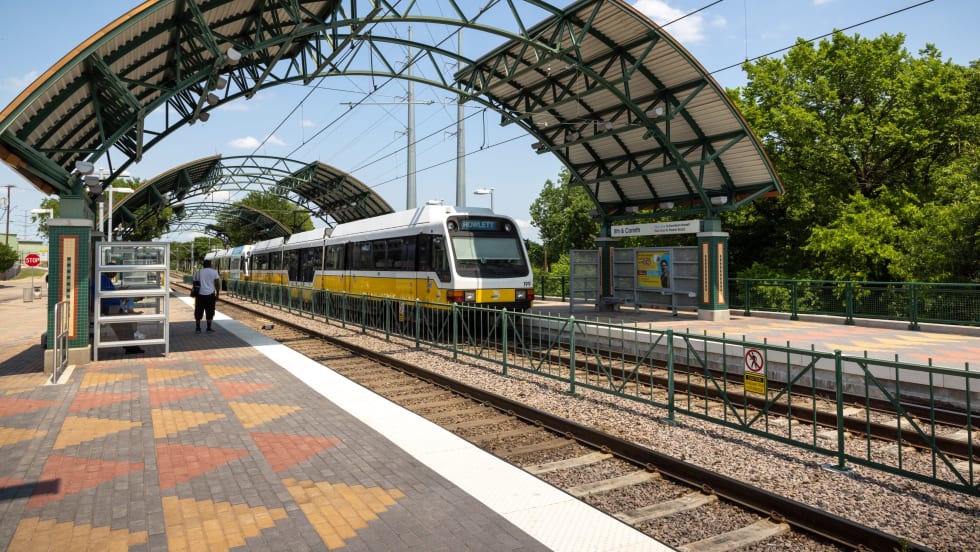
DART Launches Major Security, Fare Enforcement Initiative
The 90-day demonstration will deploy coordinated security teams at five light rail stations while testing controlled access and gathering data to guide future investments.
Read More →