



Metra Lands $169M Grant to Buy Zero-Emission Trainsets
Metra will be among the first in the nation to operate the innovative green technology.

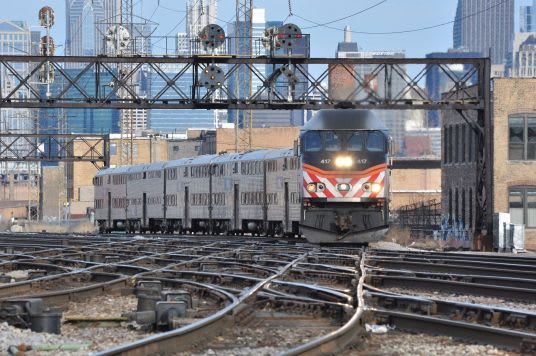
CMAQ funding will support the purchase of up to 16 battery-electric trainsets, adding a new type of propulsion to Metra’s fleet that could accelerate and brake faster than its traditional trains.
Photo: Metra
Chicago’s Metra commuter rail system will receive the largest discretionary grant in its history — a $169.3 million federal Congestion Mitigation and Air Quality Improvement (CMAQ) grant — to buy battery-powered, zero-emission trainsets.
Metra will be among the first in the nation to operate the innovative green technology.
The CMAQ funding was approved last week by the Chicago Metropolitan Agency for Planning and the Metropolitan Planning Organization Policy Committee.
Metra’s Zero-Emission Trainsets
Trainsets powered by batteries are currently in use in Germany, France, and Australia, and Metra wants to explore whether they could work here. It issued a Request for Proposals (RFP) for battery-powered trainsets in September 2022 and is currently reviewing proposals it received in response.
“We think zero-emission trainsets could be an exciting and positive addition to Metra’s fleet for a variety of reasons,” said Metra CEO/Executive Director Jim Derwinski. “Beyond the environmental and noise reduction benefits, they also offer savings in energy consumption as well as better efficiency, flexibility, and reliability. Along with our other initiatives, they would continue to make Metra a responsible and effective leader in green energy technology.”
CMAQ funding will support the purchase of up to 16 trainsets, adding a new type of propulsion to Metra’s fleet that could accelerate and brake faster than its traditional trains.
The lower-capacity trainsets could be a more economical and environmentally friendly way to provide the same level of service or better, particularly during off-peak times, and could play a significant role in helping Metra achieve its vision to provide more frequent all-day service — so-called regional rail service.
Bringing Environmental Benefits
Buying the trainsets would allow Metra to retire some of its oldest, most polluting diesel locomotives, which are well beyond their useful life, and eliminate tons of carbon emissions. It would also allow Metra to retire some of its oldest railcars.
Metra likely would introduce the trainsets on its Rock Island Line. That would directly benefit the air quality in several economically disadvantaged neighborhoods on the South Side of Chicago and in the south suburbs.
The largest discretionary award comes after Metra’s record-breaking haul in 2022, when it secured $204.1 million in competitive federal grants for Metra projects. The amount included the previous record for a discretionary award — $117 million for the next phase of the UP North Line bridge replacement program.
More Zero Emissions
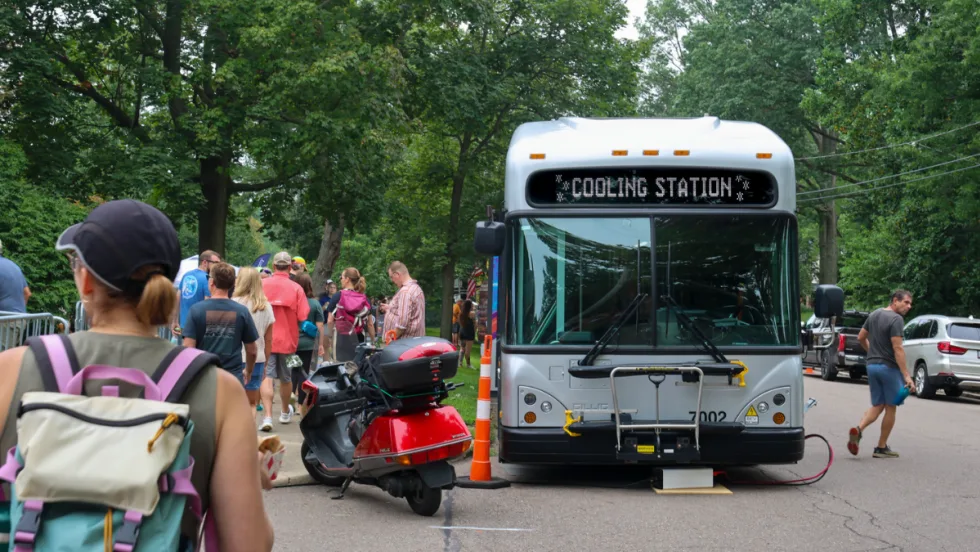
Ohio’s METRO RTA Turns Electric Buses into Mobile Power Sources at PorchROKR
See how three Gillig battery-electric buses powered festival stages while the agency’s new Park & Ride service carried approximately 1,000 attendees, demonstrating another potential use for transit agencies’ electric fleets.
Read More →
CALSTART and Forth Combine to Form Catalyst Mobility
The new name represents a renewed vision for the nonprofit focused on advancing clean, equitable, and affordable transportation solutions that move people and goods.
Read More →
Building a Flexible Path to Transit Electrification
John Hroncich discusses BAE Systems’ modular and scalable approach, lessons learned from decades of real-world operations, and how agencies can identify electrification strategies that fit their fleets.
Read More →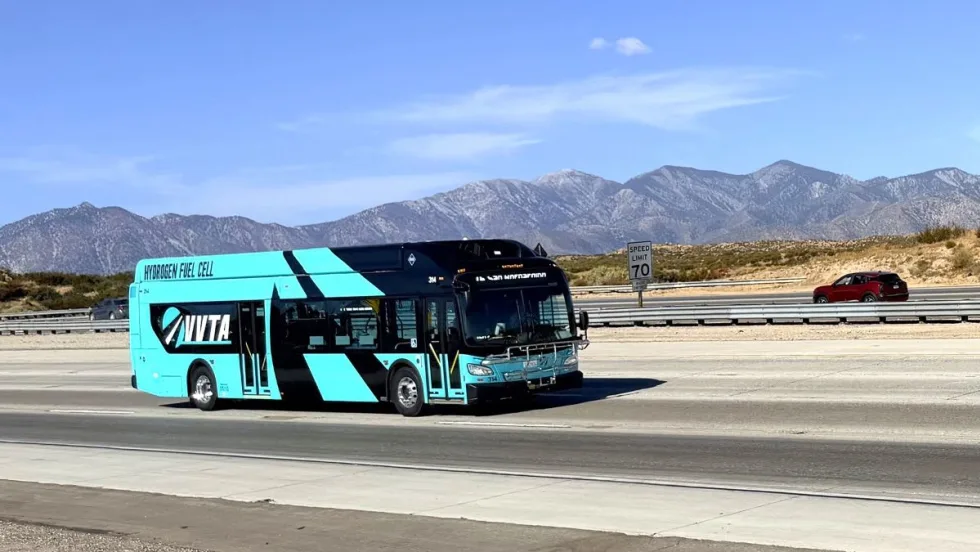
California's VVTA Begins Phased Rollout of Hydrogen Fuel Cell Buses
The agency is introducing 13 zero-emission buses into revenue service while evaluating performance across its urban, rural, and long-distance routes.
Read More →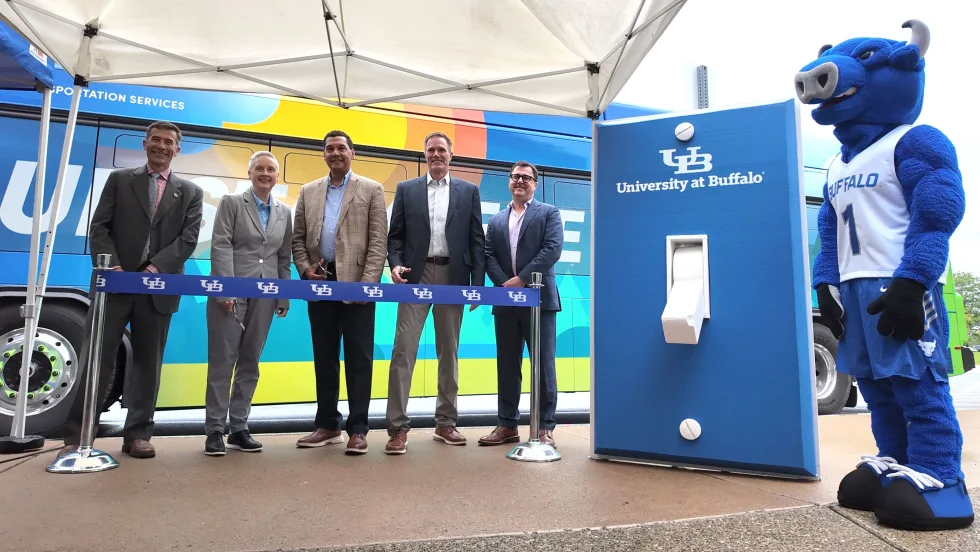
Inside Look: University at Buffalo Puts First 8 Electric Buses Into Stampede Service
UB, transportation solutions provider WeDriveU, and fleet electrification specialist Zenobē marked the deployment in the presence of students, university administrators, and local officials.
Read More →
Biz Briefs: OCTA Taps Clean Energy for Hydrogen Station, Stadler to Supply Via Rail Vehicles, and More
From manufacturers and suppliers to transit agencies and motorcoach operators, these updates offer a snapshot of the projects, partnerships and business moves driving the industry forward.
Read More →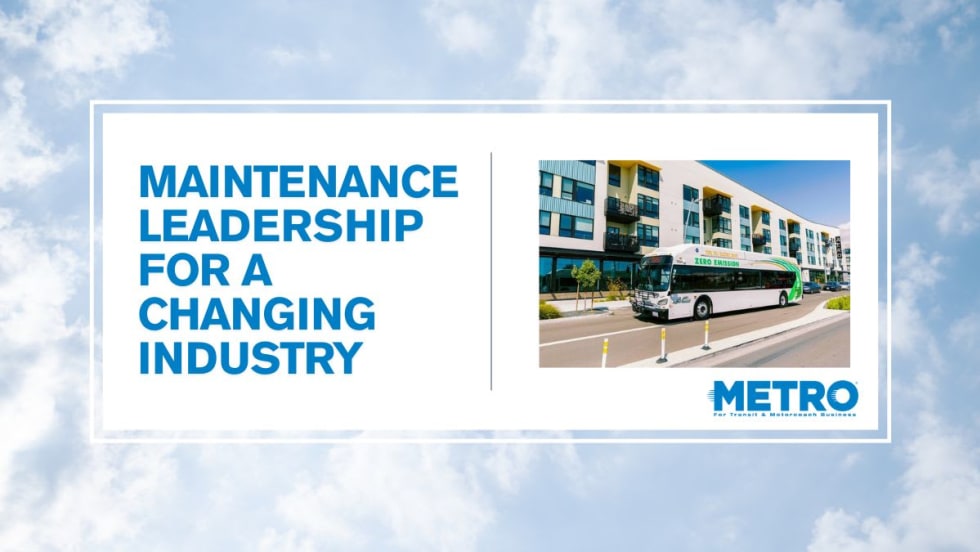
AC Transit’s Cecil Blandon on Building the Next Generation of Transit Maintenance Leaders
The agency’s maintenance chief discusses leadership, workforce development, zero-emission technology, and preparing technicians for the future of public transportation.
Read More →
CTDOT Taps STV for Electric Bus Facility Design
The firm will work with CTDOT and RVT to define the facility layout, operational requirements, and long-term flexibility for RVT’s growing electric fleet.
Read More →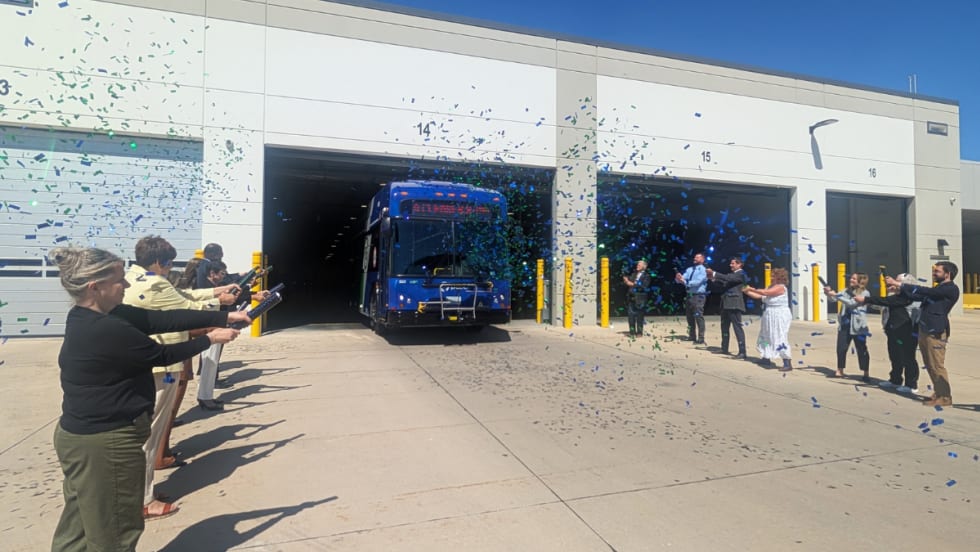
Chicago’s Pace Deploys 24 Hybrid-Electric Buses in Will County
The new buses reduce emissions and fuel consumption while advancing the agency's long-term goal of transitioning to a fully zero-emission fleet.
Read More →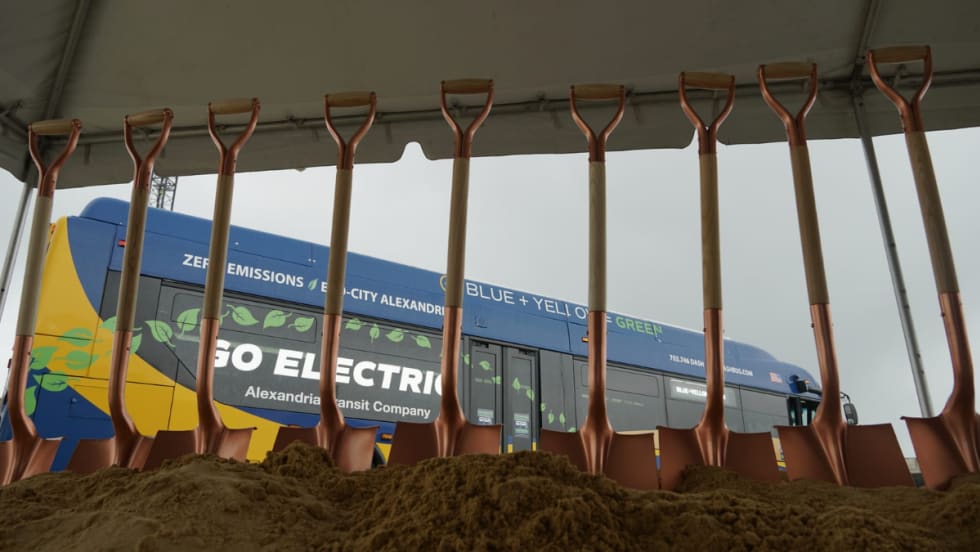
DASH Breaks Ground on First On-Route Electric Bus Chargers in D.C. Region
The fast-charging infrastructure will help extend electric bus range, improve fleet utilization, and support DASH's goal of transitioning to a fully zero-emission fleet.
Read More →