



Montreal Campaign Focuses on Ensuring Frontline Worker Safety
The campaign can be seen in the STM’s ad spaces and features frontline workers on the job in the public transit network. The messaging delivers a clear, firm reminder that STM employees “deserve everyone’s respect, every day.”


According to data compiled by the STM, the total number of assaults, threats, and acts of intimidation experienced by its frontline workers in the course of their duties rose by 6% between 2022 and 2023, from 328 to 348.
Photo: STM/METRO Magazine
In response to the growing hostility experienced by its employees on the ground, the Société de transport de Montréal (STM) launched a communications campaign to encourage customers to be respectful of frontline employees on the job.
The campaign can be seen in the STM’s ad spaces and features frontline workers on the job in the public transit network. The messaging delivers a clear, firm reminder that STM employees “deserve everyone’s respect, every day.”
Incidents up on STM System
According to data compiled by the STM, the total number of assaults, threats, and acts of intimidation experienced by its frontline workers in the course of their duties rose by 6% between 2022 and 2023, from 328 to 348.
“The pandemic exacerbated certain social issues and seems to have led to a more strained social climate, which has a direct impact on our employees,” said STM CEO Marie‑Claude Léonard. “We’re keenly aware of the strength and dedication it takes to face those kinds of situations, day after day. The awareness campaign is a clear reminder that just like our customers, our teams deserve respect at all times.”
The local unions concerned were asked for their input to help decide what issues the campaign should address. Displays of impatience, verbal abuse, and aggressive tones and body language were the behaviors most often cited in these discussions.
“Although the majority of our customers are kind and respectful toward our teams, it’s important to understand that even small acts of hostility, repeated dozens of times a day, can have a huge impact on our employees,” says Léonard.
Tools to Report
Over and above the campaign, STM is encouraging employees to use the channels in place to report and address harmful incidents. These include:
Requesting immediate help by placing a call via the control room.
Filling out the employee reporting form to inform the Security and Fire Safety department of recurring situations so that they can be addressed.
Filing charges with the support of the STM, if they wish.
The STM also has a range of measures in place to offer employees and customers the safest possible environment. Every year, new safety measures are added to the network. In the past year, those have included:
Hiring 16 more special constables in December, for a total of some 160 constables currently employed by the STM.
Creating a new safety ambassador position, with 14 ambassadors now trained and active in the transit network.
Having eight social workers from the City of Montréal’s mobile social mediation and intervention team travel around in the network to intervene as needed and respond to calls.
Adding a third hybrid patrol to the métro network.
Increasing the presence and visibility of special constables, safety ambassadors, and operations staff in a dozen specific stations and improving camera surveillance.
More Security and Safety
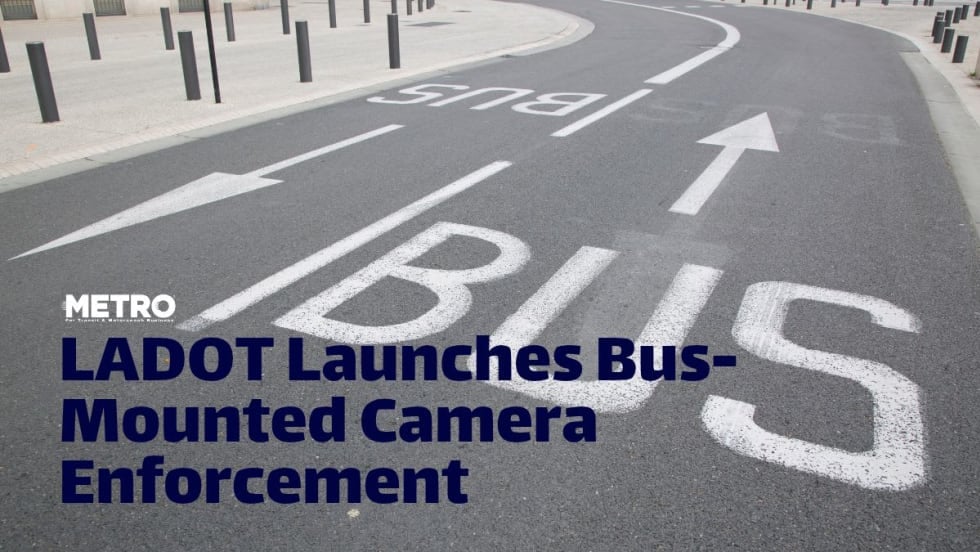
LADOT to Launch Bus-Mounted Camera Enforcement on DASH Buses
The program will begin with a 60-day warning period before citations are issued in January 2027, joining similar efforts across Southern California to improve bus reliability, safety, and accessibility.
Read More →
New York MTA Launches Historic $1.9B Signal, Track Modernization Project
Funded in part by congestion pricing revenue, the project will replace nearly century-old signals along the A and C lines in Brooklyn and Queens.
Read More →
CSA Group Releases Climate Resilience Standard for Transit, Passenger Rail
Developed with support from the Standards Council of Canada, CSA D700 guides assessing climate-related risks and planning adaptation measures for transit and passenger rail systems.
Read More →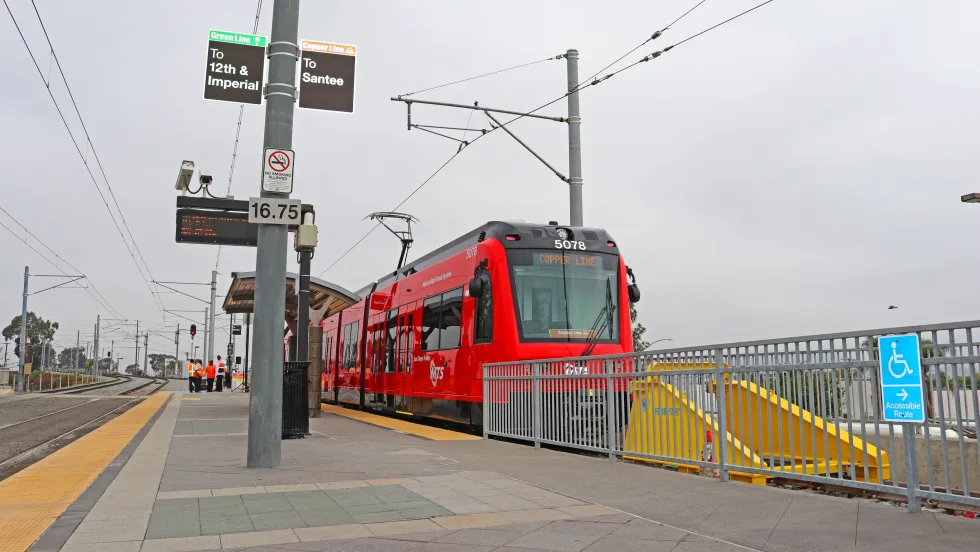
San Diego MTS Approves New Fare Evasion Penalty Program
The new administrative process will move eligible violations out of the criminal court system, cap penalties at $125, and provide flexible payment options for riders.
Read More →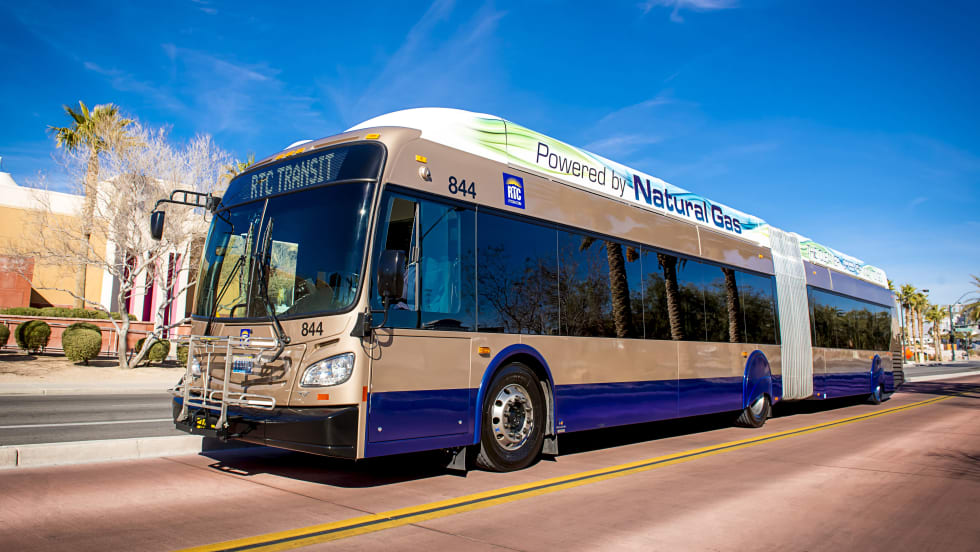
RTC of Southern Nevada Reports 29% Drop in Transit Operator Assaults
The agency credits expanded security measures, employee training, and technology investments for improvements in transit safety, while security officers have responded to 19 suspected overdoses since July.
Read More →
Public Transit Conference Returning to GFX in 2027, Call for Papers Now Open
The Call for Papers is now open, allowing transit agency professionals and industry experts to help shape the PTC educational program by submitting session ideas for consideration.
Read More →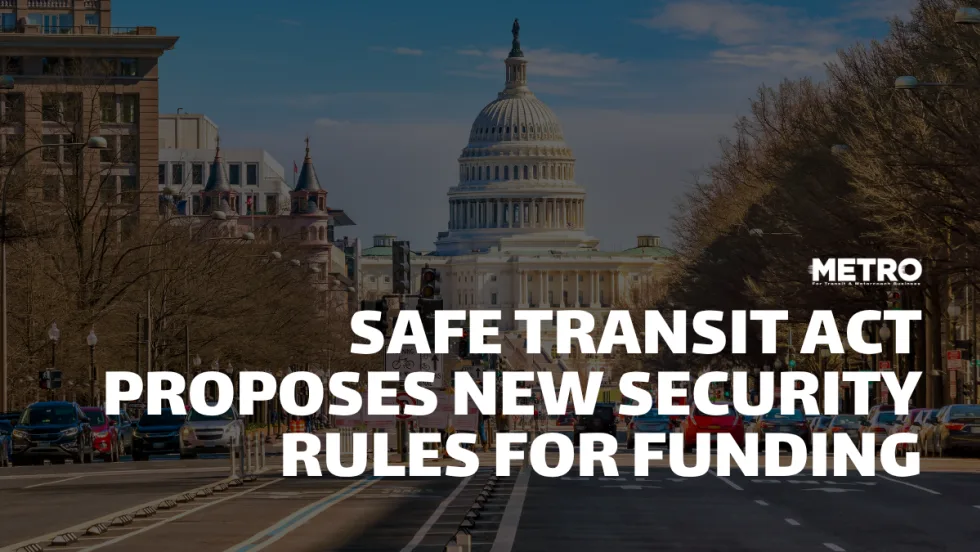
Safe Transit Act Proposes New Security Requirements for Federal Transit Funding
Proposed legislation would link federal transit dollars to safety measures while requiring security investments, onboard cameras, and new fare collection standards.
Read More →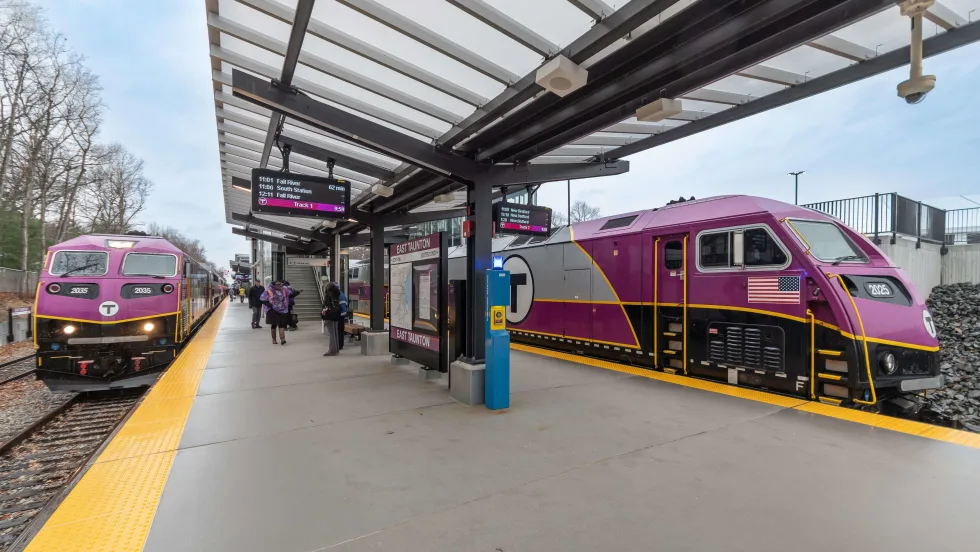
FTA Ends Direct Oversight of MBTA Safety Actions
The federal agency closed its remaining special directive to the Massachusetts Department of Public Utilities following a safety review that began in 2022.
Read More →
Transit Agencies Highlight Safety Gains at National Summit
Leaders from 15 major transit systems shared crime-reduction results and safety initiatives while discussing the role of continued federal support.
Read More →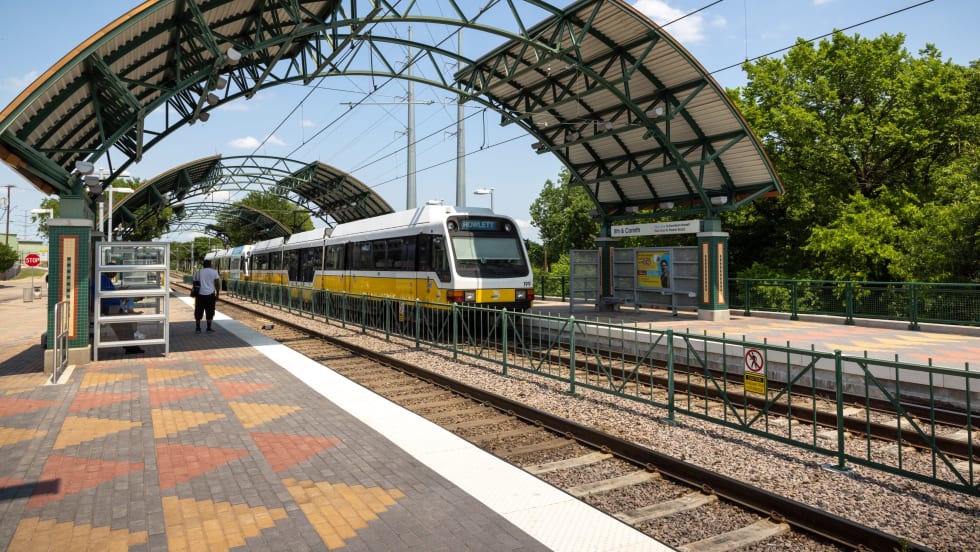
DART Launches Major Security, Fare Enforcement Initiative
The 90-day demonstration will deploy coordinated security teams at five light rail stations while testing controlled access and gathering data to guide future investments.
Read More →