



New York Gov. Hochul Pauses Congestion Pricing Plan
The Central Business District Tolling Program was mandated by the State in April 2019 and modeled on urban congestion pricing programs around the world to reduce traffic congestion and raise needed revenue to improve public transportation.

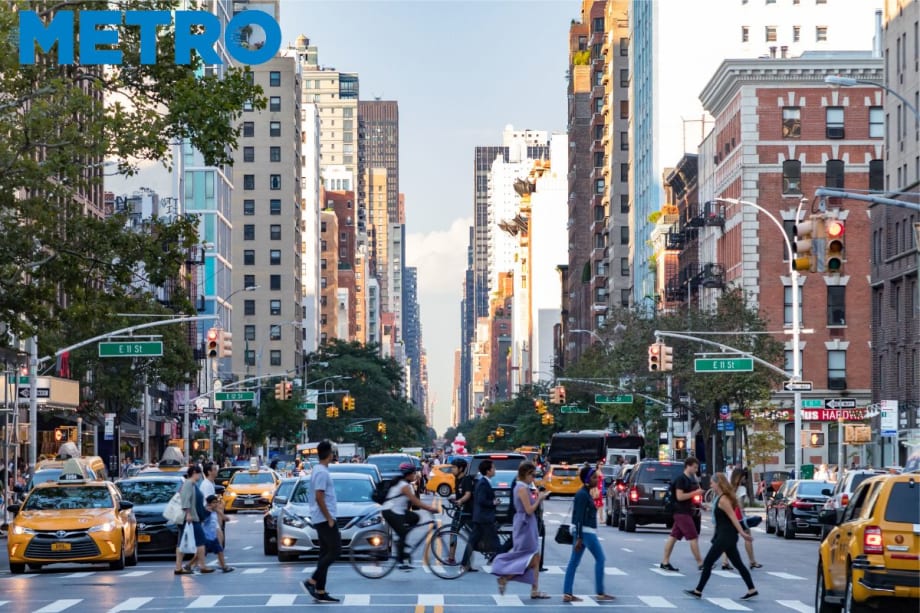
The congestion pricing program would charge vehicles a toll for traveling in Midtown Manhattan and below and generate net revenues sufficient to leverage $15 billion for the MTA's 2020-2024 Capital Program, which includes transformational projects.
Photo: Canva
New York Gov. Kathy Hochul asked the New York MTA to indefinitely pause its congestion pricing plan, which would impose a $15 charge on cars entering Midtown Manhattan and below, citing “too many unintended consequences.”
“Circumstances have changed, and we must respond to the facts on the ground — not from the rhetoric from five years ago. So, after careful consideration, I have come to the difficult decision that implementing the planned congestion pricing system risks too many unintended consequences for New Yorkers at this time,” said Gov. Hochul. “For that reason, I have directed the MTA to indefinitely pause the program.”
Inside Gov. Hochul’s Decision
The Central Business District Tolling Program was mandated by the State in April 2019 and modeled on urban congestion pricing programs around the world to reduce traffic congestion and raise needed revenue to improve public transportation.
The program would charge vehicles a toll for traveling in Midtown Manhattan and below and generate net revenues sufficient to leverage $15 billion for the MTA's 2020-2024 Capital Program, which includes transformational projects.
It was also believed that congestion pricing would improve overall regional air quality with one of the most comprehensive plans the region has implemented to support a greener future. The environmental assessment found in all tolling scenarios an overall decrease in vehicle-miles traveled in the Central Business District and region overall, and that the program would encourage some commuters to shift from their vehicles to transit.
“My team worked into the final hours to find a way to implement this because the goals of congestion pricing change — in terms of reducing traffic and pollution — are important,” said Gov. Hochul. “But hard-working New Yorkers are getting hammered on costs and they and the economic vitality of our City must be protected.”
The Governor added that “literally a year” after the enactment of the law, New York City was the epicenter of the COVID pandemic, with many predicting it would not recover. That ongoing recovery played a role in her decision to halt the congestion pricing plan, she said.
“While our recovery has been stronger and swifter than anyone imagined, it is by no means complete,” said Gov. Hochul. “We cannot afford to undercut this momentum, and I won’t allow this delicate recovery to be jeopardized.”
Also citing a change in how commuting patterns and the downturn in commercial vacancies have had a ripple effect on foot traffic in the city, Gov. Hochul said that, ultimately, she was concerned the fee would cause people to stay home, work remote, and skip visits to the City on weekends to be with family or go to the theater or a restaurant.
“Let’s be real: a $15 charge may not mean a lot to someone who has the means, but it can break the budget of a working- or middle-class household,” she said. “Given these financial pressures, I cannot add another burden to working- and middle-class New Yorkers or create another obstacle to continued recovery.”
Next Steps
Despite her plan to pause the congestion pricing plan, Gov. Hochul said she remains committed to making the necessary investments in public transit.
The Governor added that funding has been set aside to “backstop” the MTA Capital Plan, with other funding sources currently being explored.
“We remain fully committed to advancing all the improvements that New Yorkers have been promised. That includes immediate investments in reliability and accessibility: track repairs, new signals, adding more elevators at subway and commuter stations,” she said. “It means security cameras and other technologies to improve safety for riders throughout the system. And it means moving forward with transformative projects, like the extension of the Second Avenue Subway and the Interborough Express.”
More Management

METRO Opens Submissions for 2026 Motorcoach Awards
Nominations are now being accepted for METRO Magazine’s Operator of the Year and Innovative Operator of the Year awards.
Read More →
New York MTA Advances Final Contract for Second Avenue Subway Expansion
Contract Four is the largest in the Second Avenue Subway Phase 2 project and includes construction of station infrastructure, tracks, and signals for the subway expansion, MTA officials said. Work on Contract Four will begin in 2027.
Read More →
Transit Agencies Highlight Safety Gains at National Summit
Leaders from 15 major transit systems shared crime-reduction results and safety initiatives while discussing the role of continued federal support.
Read More →

NITA Names New Leadership, Expands Reduced-Fare Program at First Board Meeting
The new regional transit authority appointed its first board chair and interim executive director while extending reduced fares across CTA, Metra, and Pace for eligible riders.
Read More →
Beyond the Checklist: A Structured Approach to Transit Maintenance
Reliability-Centered Maintenance helps transit agencies move beyond routine checklists to focus limited resources on the assets and failures that have the greatest impact on safety, reliability, and service.
Read More →
APTA 2026 Nominating Committee Selects Leadership Slate, Names Chair and Vice Chair Nominees
Leadership changes will help shape the association’s priorities and its representation of the transportation industry during the 2026–2027 term.
Read More →
DART Launches Major Security, Fare Enforcement Initiative
The 90-day demonstration will deploy coordinated security teams at five light rail stations while testing controlled access and gathering data to guide future investments.
Read More →
Advancing Fare Collection Through Technology and Innovation
Learn about delivering 1300 gates at 91 stations while managing fare evasion. Explore the large scale deployment, solution customization and real-world results that affect the region. Prepare for deployment in your region now.
Read More →
Game Day in Motion: Moving Millions During the 2026 World Cup
Between packed transit stations and team motorcoaches, see how agencies and operators across North America tackled the transportation demands of the 2026 FIFA World Cup.
Read More →
Surface Transportation Extension Averts Shutdown, Leaves Transit Funding Gap
The stopgap keeps federal transportation programs moving, but missing advance funding could complicate the transit and rail projects agencies are planning next.
Read More →