



SEPTA Launching Restored Rail Services
The service additions will restore 80% of pre-COVID service on weekdays (up from 77%) and 84% on weekends (up from 63%).

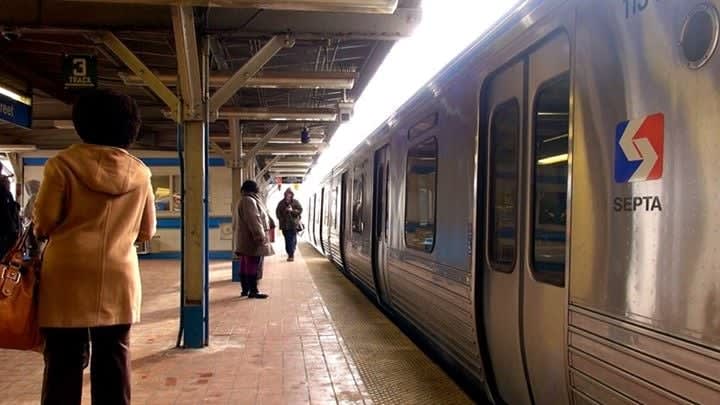
Thanks to a robust recruitment and training effort, SEPTA will be able to add additional crews to address personnel shortages and provide more consistent service.
Photo: SEPTA
Philadelphia's SEPTA is increasing Regional Rail service next month by adding 99 weekend trains and 24 weekday trains to the schedule.
New timetables for all lines will go into effect Sept. 8.
SEPTA Restoring Service
The service additions will restore 80% of pre-COVID service on weekdays (up from 77%) and 84% on weekends (up from 63%).
Regional Rail ridership recovery is currently at about 67% of pre-pandemic levels, with weekend ridership growth outpacing weekdays.
“As we continue to rebuild ridership, SEPTA is still facing a $240 million annual budget deficit, and the need for a permanent solution grows more urgent by the day,” said SEPTA CEO/GM Leslie S. Richards. “Despite this funding crisis, we cannot put critical investments in our system on hold. We must move forward with efforts to make our service more reliable for our riders who depend on us to get where they need to go.”
Keys to Expanding Service
Thanks to a robust recruitment and training effort, SEPTA will be able to add additional crews to address personnel shortages and provide more consistent service.
With 189 engineers, the authority is on track to meet its budgeted headcount of 213 by next spring.
The schedule changes support the goals and vision of SEPTA’s Reimagining Regional Rail initiative by adding additional service to accommodate off-peak, evening, and weekend trips.
Some highlights of the upcoming service changes, include:
Full restoration of 30-minute weekend service to the Philadelphia International Airport.
Full restoration of hourly weekend service on most lines.
Additional off-peak (late-night and mid-day) and reverse peak service on most lines.
Additional railcars on select trains to mitigate overcrowding, particularly mid-week when ridership is highest.
Schedule adjustments to help improve on-time performance.
More Rail

Strada360’s Steve Lassey on Turning Transit Data Into Better Decisions
From breaking down data silos to preparing for AI, Strada360 CEO Steve Lassey discusses how transit agencies can use technology to improve operations, customer information, and long-term decision-making.
Read More →
SEPTA Details Accelerate Vision for Transit System
The plan outlines investments in trolley modernization, new Metro and Regional Rail vehicles, accessible stations, and more frequent bus and rail service.
Read More →
FTA Ends Direct Oversight of MBTA Safety Actions
The federal agency closed its remaining special directive to the Massachusetts Department of Public Utilities following a safety review that began in 2022.
Read More →
Amtrak, CN Reach Agreements to Strengthen Passenger Rail Service, Safety
The agreement resolves a more than decade-long proceeding before the Surface Transportation Board concerning the terms and conditions for Amtrak services, such as the City of New Orleans, Illini/Saluki, and Wolverine.
Read More →
New York MTA Advances Final Contract for Second Avenue Subway Expansion
Contract Four is the largest in the Second Avenue Subway Phase 2 project and includes construction of station infrastructure, tracks, and signals for the subway expansion, MTA officials said. Work on Contract Four will begin in 2027.
Read More →
San Diego MTS Breaks Monthly Trolley Ridership Record
Agency officials said July’s ridership indicates MTS’s continued recovery from the pandemic.
Read More →
Report Examines NJ TRANSIT Reliability, Funding Challenges
The Garden State Initiative analysis examines the roles of Amtrak infrastructure, fleet management, and agency operations while recommending a more performance-based approach to improving reliability.
Read More →
Stadler, CapMetro Sign Long-Term Rail Fleet Support Agreement
Beginning in 2027, Stadler will provide on-site technical expertise, spare parts support, training, and obsolescence management to help extend the reliability and longevity of CapMetro’s GTW fleet.
Read More →
Biz Briefs: Alstom Lands Canadian Contract, LYT to Supply California TSP, and More
In METRO's latest installment, we take a look at recent news from Complete Coach Works, Beep, FlixBus, and more partnerships making headlines across the transportation sector.
Read More →
CATS Gold Line Marks 5 Years of Service, 2.8M Passenger Trips
With a six-mile expansion planned, the Charlotte streetcar is positioned to connect more neighborhoods and major transit hubs across the region.
Read More →