



The Routing Company Product Update Adds 7 New Features
The major product upgrade follows two recent paratransit-specific upgrades announced in September, underscoring TRC’s ongoing commitment to product innovation and operational excellence.

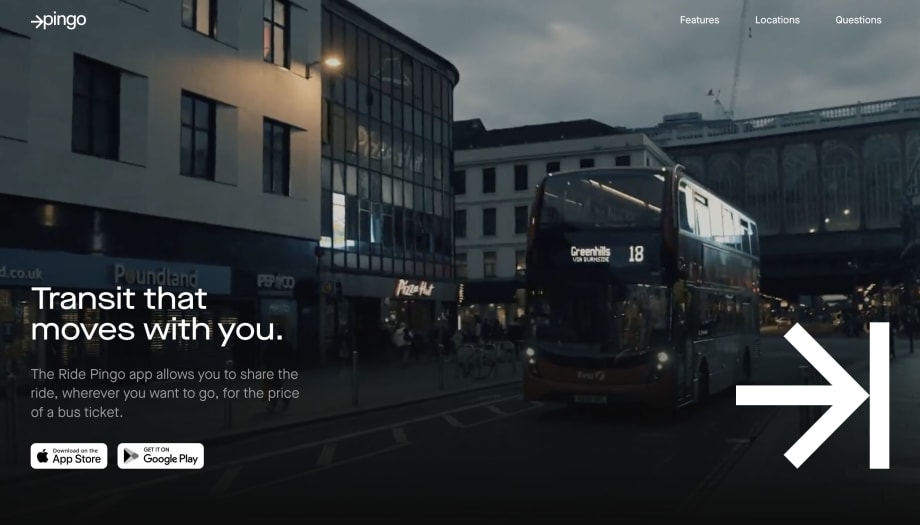
A key highlight of this upgrade is the introduction of the Electronic Vehicle Inspection feature, which streamlines compliance processes for agencies managing large fleets.
Photo: The Routing Company
The Routing Company (TRC) announced a major product update, which introduces seven new features that will benefit users across all transit modes, including on-demand, fixed, flexible, shuttle, and paratransit.
The major product upgrade follows two recent paratransit-specific upgrades announced in September, underscoring TRC’s ongoing commitment to product innovation and operational excellence.
TRC’s Product Updates
The product update introduces a wide array of features aimed at improving user experience, boosting operational efficiency, and enabling seamless transit service management for operators.
The update enhances functionality for a diverse range of services, whether agencies are operating traditional fixed-route services, flexible on-demand options, or paratransit services.
“Public transit is evolving rapidly, and operators need the right tools to keep pace,” said Niko Rekhviashvili, director, product, TRC. “These updates reflect our leadership in delivering cutting-edge solutions that meet the diverse needs of transit agencies, while ensuring operational efficiency and exceptional user experiences across all modes.”
TRC’s New Features
The comprehensive product updates include:
Electronic Vehicle Inspection: Enables drivers to submit vehicle inspection reports digitally through the Drive Pingo app, eliminating error-prone paper processes and streamlining daily operations.
Bulk Vehicle Uploader: Simplifies the process of uploading large vehicle fleets into the platform, significantly reducing administrative time, and increasing operational efficiency.
Broadcast Messages: Empowers dispatchers to instantly communicate important notifications to all drivers, ensuring timely updates and improved coordination.
Pickup Windows: Enables call-center agents to provide riders with precise pickup windows after booking. This feature is fully customizable to meet the specific needs of each transit partner, improving rider satisfaction and operational flexibility.
Map Parameterization: Allows dispatchers to quickly access trip history through the map overview, making it easier to understand and review what occurred on any individual trip, enhancing operational oversight.
Fleet Logo and Splash Screen Uploader: Enables transit agencies to customize rider apps with their own branding, providing a cohesive and seamless rider experience that reflects the agency’s identity.
Enhanced Screen Reader Support: Improves accessibility for users with visual impairments, fostering a more inclusive rider experience. This enhancement helps transit agencies deliver exceptional ADA-compliant services to all riders.
The updates align with TRC’s strategy to provide fully customizable solutions, allowing transit agencies to tailor their services to local needs while maintaining operational efficiency.
By enhancing core functionalities like real-time fleet visibility and communication tools, TRC helps agencies not only meet rider expectations but also improve day-to-day management.
Highlights of the Upgrade
A key highlight of this upgrade is the introduction of the Electronic Vehicle Inspection feature, which streamlines compliance processes for agencies managing large fleets.
By digitizing vehicle inspections, transit operators can improve safety oversight and ensure compliance with operational standards — reducing both manual effort and risks.
Additionally, TRC’s new Pickup Windows and Booking Flow functionality brings greater convenience for riders and more flexibility for operators. The ability to set up specific pickup windows allows agencies to offer precise scheduling options, improving rider satisfaction and operational efficiency.
TRC’s ongoing commitment to innovation and customer satisfaction is further demonstrated by the company’s industry-leading Net Promoter Score (NPS) of 92.
With the product upgrade, TRC continues to outpace its competitors in delivering powerful, user-friendly solutions that improve fleet utilization, enhance rider satisfaction, and streamline transit operations.
More Technology

From Hardware to Digital Partner: Luminator Charts Its Next Chapter
CEO Magnus Friberg discusses Luminator’s shift toward becoming a digital partner, the growing importance of software and interoperability, and how AI can help agencies improve operations and passenger experience.
Read More →
Beyond the Checklist: A Structured Approach to Transit Maintenance
Reliability-Centered Maintenance helps transit agencies move beyond routine checklists to focus limited resources on the assets and failures that have the greatest impact on safety, reliability, and service.
Read More →
NJ TRANSIT Advances Bus Technology Upgrades Across Statewide Fleet
More than 1,500 buses now feature upgraded technology designed to improve arrival predictions and provide free Wi-Fi, with deployment expected to reach nearly 2,000 buses by the end of 2026.
Read More →

Building a Flexible Path to Transit Electrification
John Hroncich discusses BAE Systems’ modular and scalable approach, lessons learned from decades of real-world operations, and how agencies can identify electrification strategies that fit their fleets.
Read More →
Biz Briefs: Alstom Lands Canadian Contract, LYT to Supply California TSP, and More
In METRO's latest installment, we take a look at recent news from Complete Coach Works, Beep, FlixBus, and more partnerships making headlines across the transportation sector.
Read More →
From Legacy Silos to Conversational Intelligence
What if transit leaders could ask any operational question and get a trusted answer in seconds? Conversational AI is transforming how agencies use their data.
Read More →
USDOT Announces Rail Vehicle Replacement Grants, Chattanooga AV Shuttle Funding
More than $191 million in federal funding will help three transit agencies replace aging rail vehicles and support a new autonomous shuttle service in Chattanooga.
Read More →
Bus Tech Talk: Keeping Transit Technicians Ahead of the Technology Curve
LA Metro’s Obed Mejia discusses technician training, evolving maintenance technology, fleet replacement, and strategies for getting the most out of today’s transit fleets.
Read More →
Biz Briefs: RIPTA Unveils New Frontrunners, Clevland RTA Adds New Siemens, and More
In METRO's latest installment, we take a look at recent news from Siemens, Prevost, Dodge, and more partnerships making headlines across the transportation sector.
Read More →
Why Simulating Pedestrian Movement Has Become Essential for Modern Rail Stations
Pedestrian microsimulation is helping rail planners identify bottlenecks, test station designs, and prepare complex transit hubs for growing passenger volumes.
Read More →