



U.S. Zero-Emission Bus Adoption Sees Continued Growth, CALSTART Report Finds
The research provides timely insight on the number of awarded, ordered, delivered, or operational ZEBs within the U.S. If this pace continues, the country is on track to surpass 15,000 full-size ZEBs by 2030.

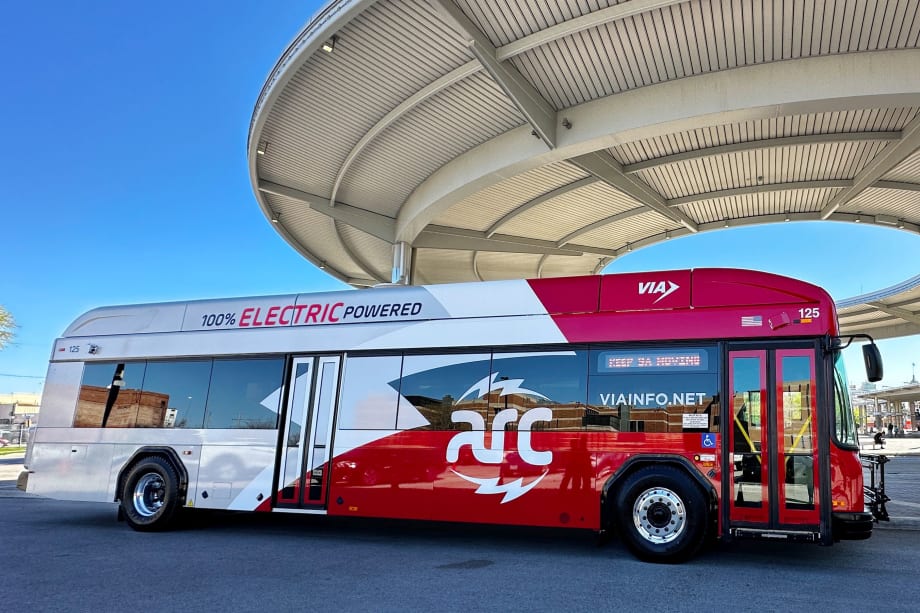
Battery-electric buses remain the dominant bus type with 6,453 either awarded, ordered, delivered, or in operation, while fuel cell electric buses saw a 55% growth from 2023, reaching a total of 575 nationwide, according to CALSTART's latest report.
Photo: VIA/GILLIG
The transition to zero-emission transit buses (ZEBs) in the U.S. continues to gain momentum despite industry headwinds, such as lingering supply chain issues and a smaller manufacturing pool for transit vehicles, as stated in CALSTART’s updated annual "Zeroing in on Zero-Emission Buses" report.
The research provides timely insight on the number of awarded, ordered, delivered, or operational ZEBs within the U.S. If this pace continues, the country is on track to surpass 15,000 full-size ZEBs by 2030.
Report Finds ZEB Adoption Growth
CALSTART works closely with transit agencies, policymakers, and industry stakeholders to support the progress toward decarbonization and a more sustainable future for transportation.
Data from CALSTART’s report shows:
Full-size ZEB adoptions have grown to 7,028 as of July 2024 — an increase of 14% from the previous 2023 count.
Battery-electric buses remain the dominant bus type with 6,453 either awarded, ordered, delivered, or in operation, while fuel cell electric buses saw a 55% growth from 2023, reaching a total of 575 nationwide.
The adoption of small ZEBs is also expanding, with deployments in public transit fleets increasing by 25%, private fleets by 13%, and university fleets by 121%.
“Despite industry challenges, we’ve seen a 14% increase in full-size zero-emission bus deployments over the past year, demonstrating resilience and progress toward a zero-emission future,” said Mike Hynes, deputy director, transit, for CALSTART. “It is only with strong federal and state support that we can build on this momentum and continue.”
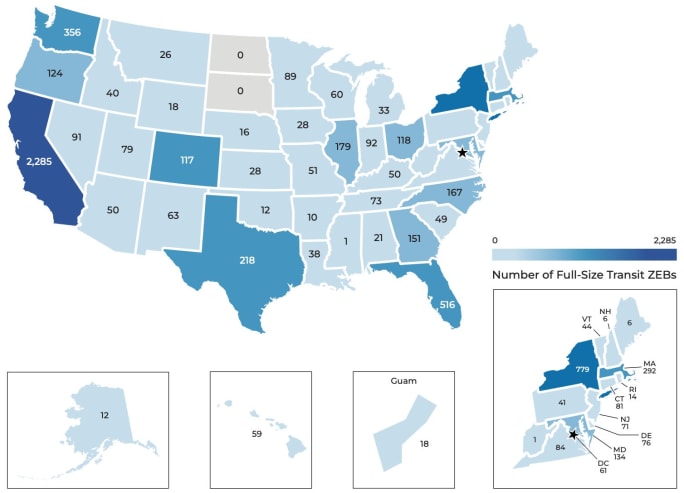
While federal funding remains a critical piece of the puzzle, state-led initiatives are proving essential in sustaining ZEB adoption.
Photo: CALSTART
Fed Investments, State Leadership
In 2024, the Federal Transit Administration (FTA) awarded nearly $1.5 billion in funding through the Low and No Emission (Low No) Program and the Grants for Bus and Bus Facilities Program, which supported:
Nearly 600 new ZEBs (48% of buses awarded under the program).
Crucial charging and fueling infrastructure projects across 47 states and territories.
While federal funding remains a critical piece of the puzzle, state-led initiatives are proving essential in sustaining ZEB adoption. The leaders in full-size ZEBs include:
California (2,285)
New York (779)
Florida (516)
Washington (356)
Massachusetts (292)
Programs like California’s Clean Truck and Bus Voucher Incentive Project (HVIP) and New York’s Truck Voucher Incentive Program (NYTVIP) are helping offset vehicle costs and accelerate adoption.
Many transit agencies are also adopting joint procurement models to streamline purchasing and reduce costs, further strengthening the market.
More Zero Emissions
Report: Transit Bus Manufacturing Supports 34,100 Jobs, $5.1B in GDP
The “Buses Mean Business” report examines the transit bus manufacturing industry’s economic footprint, supply chain, and rising demand for vehicle replacements.
Read More →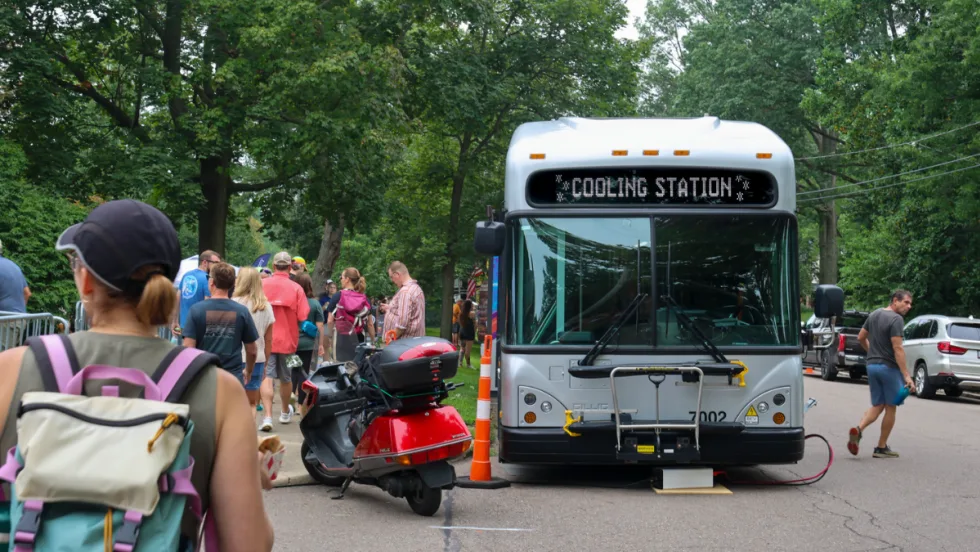
Ohio’s METRO RTA Turns Electric Buses into Mobile Power Sources at PorchROKR
See how three Gillig battery-electric buses powered festival stages while the agency’s new Park & Ride service carried approximately 1,000 attendees, demonstrating another potential use for transit agencies’ electric fleets.
Read More →
CALSTART and Forth Combine to Form Catalyst Mobility
The new name represents a renewed vision for the nonprofit focused on advancing clean, equitable, and affordable transportation solutions that move people and goods.
Read More →
Building a Flexible Path to Transit Electrification
John Hroncich discusses BAE Systems’ modular and scalable approach, lessons learned from decades of real-world operations, and how agencies can identify electrification strategies that fit their fleets.
Read More →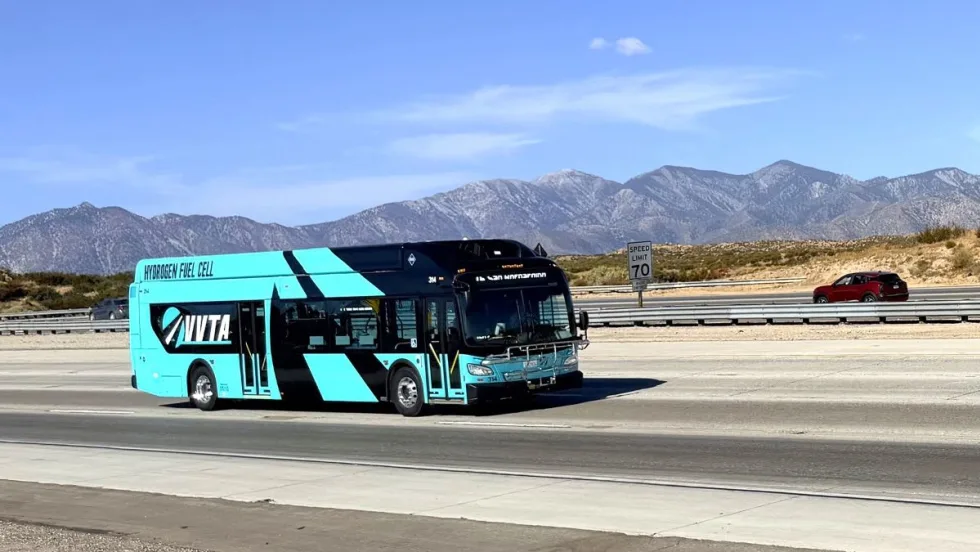
California's VVTA Begins Phased Rollout of Hydrogen Fuel Cell Buses
The agency is introducing 13 zero-emission buses into revenue service while evaluating performance across its urban, rural, and long-distance routes.
Read More →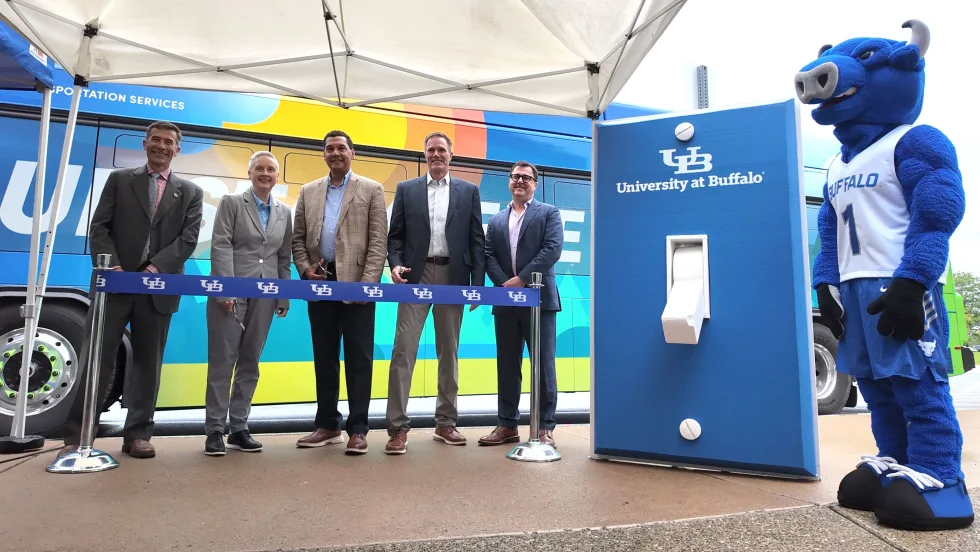
Inside Look: University at Buffalo Puts First 8 Electric Buses Into Stampede Service
UB, transportation solutions provider WeDriveU, and fleet electrification specialist Zenobē marked the deployment in the presence of students, university administrators, and local officials.
Read More →
Biz Briefs: OCTA Taps Clean Energy for Hydrogen Station, Stadler to Supply Via Rail Vehicles, and More
From manufacturers and suppliers to transit agencies and motorcoach operators, these updates offer a snapshot of the projects, partnerships and business moves driving the industry forward.
Read More →
AC Transit’s Cecil Blandon on Building the Next Generation of Transit Maintenance Leaders
The agency’s maintenance chief discusses leadership, workforce development, zero-emission technology, and preparing technicians for the future of public transportation.
Read More →
CTDOT Taps STV for Electric Bus Facility Design
The firm will work with CTDOT and RVT to define the facility layout, operational requirements, and long-term flexibility for RVT’s growing electric fleet.
Read More →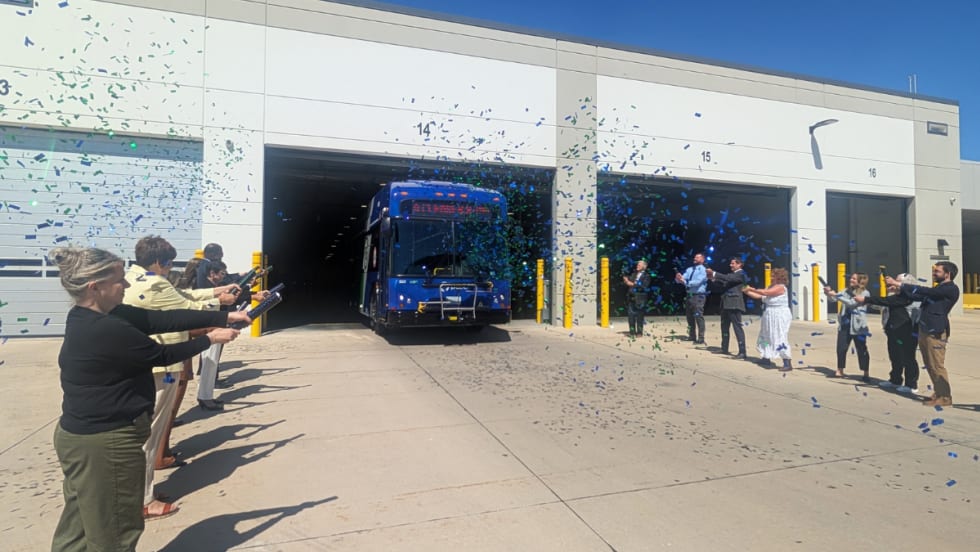
Chicago’s Pace Deploys 24 Hybrid-Electric Buses in Will County
The new buses reduce emissions and fuel consumption while advancing the agency's long-term goal of transitioning to a fully zero-emission fleet.
Read More →