



Pittsburgh Looks to Raise Fares, Cut Service Due to Budget Constraints
If approved by PRT's board next week, the agency would begin soliciting public feedback on March 31 and hold three public hearings in April, May, and June before the board adopts next year's budget, which begins in July.

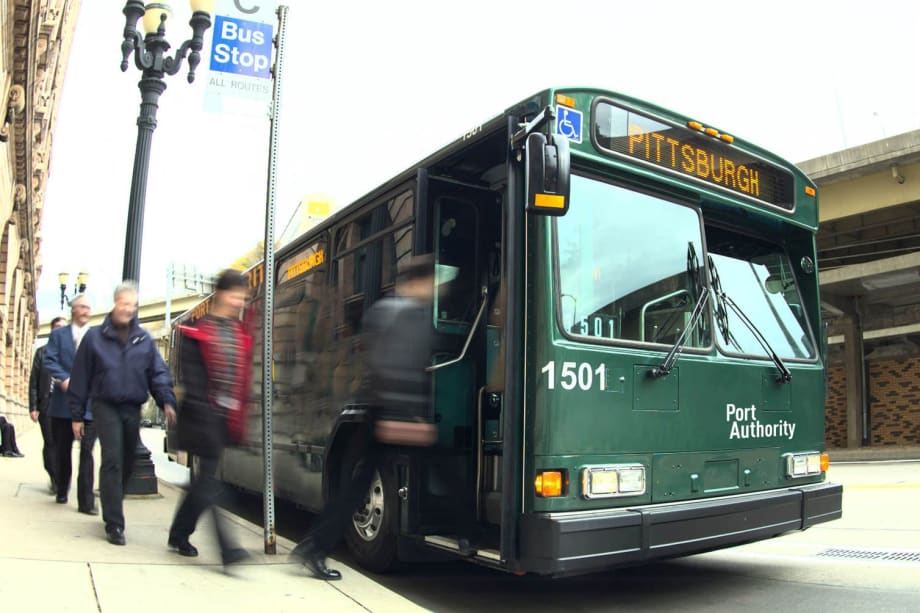
The impact of PRT’s changes would be felt across the region, according to the agency.
Photo: PRT
With state funding no longer able to meet the needs of Pennsylvania's second-largest transit agency, Pittsburgh Regional Transit (PRT) announced a 35% service cut that would go into effect in February 2026.
The cuts would be paired with a 25-cent fare increase to help close a projected $100 million budget deficit. ACCESS, PRT's contracted paratransit service, would see a 62% reduction in its service area and a 20% increase in fares.
Impact of Service Cuts
The impact of PRT’s changes would be felt across the region, according to the agency.
The impacts include:
40 bus routes and the Silver Line would be eliminated completely.
Service frequency on 53 bus routes and the Red Line would be reduced.
19 municipalities and three Pittsburgh neighborhoods would lose service completely.
No service after 11 p.m.
Funding to support extra service for sporting events, concerts, and the 2026 NFL Draft would not exist.
"This truly is a sad day for our region. Public transit is a lifeline for communities throughout and we are not taking this proposal lightly. We have warned that we would face service cuts and fare increases without new funding for the past year, and we remain committed to continuing to fight for the service Allegheny County deserves," said PRT CEO Katharine Kelleman. "This isn't just a Pittsburgh problem. This is an issue facing transit agencies across the Commonwealth. We are not asking Harrisburg to bail us out. We're asking state lawmakers to ensure that the taxes they receive from Allegheny County come back to Allegheny County."
PRT’s Plan, Next Steps
If approved by PRT's board next week, the agency would begin soliciting public feedback on March 31 and hold three public hearings in April, May, and June before the board adopts next year's budget, which begins in July.
"We started this process early to make sure riders have a voice and a say on these service cuts and fare increases," Kelleman said. "Our hearts break today knowing there could be significantly less service that connects people to their world. We know these cuts are devastating and we plan to do everything in our power to prevent them from happening."
In addition to eliminating 40 bus routes and the Silver Line, PRT would be forced to reduce service by at least 30% on 33 bus routes and the Red Line and make smaller cuts to 20 additional routes.
Nineteen municipalities in Allegheny, Beaver, and Westmoreland counties — including Ambridge, Ben Avon, East McKeesport, Glenfield, and Trafford — and the Pittsburgh neighborhoods of Banksville, Ridgemont, and Swisshelm Park — would lose service altogether. The 28X-Airport Flyer would terminate in Carnegie.
PRT would also close two bus garages, the Wabash Tunnel, and 10 park-and-ride lots. The Bus Line Redesign, which PRT had hoped would increase transit access and improve efficiency, would not be implemented.
Impacting the Community
Despite efforts to preserve service for high-ridership and transit-dependent areas, cuts of this scale would inevitably harm vulnerable communities, said PRT's Chief Development Officer Amy Silbermann.
Describing the cuts as “brutal,” Silbermann acknowledged they would affect more than just transit riders.
"Less public transit means less access to jobs, schools, and businesses, and more traffic, demand for parking, and pollution caused by more cars on the road," Silbermann said.
The proposed fare increase of 25 cents would raise the base fare to $3, making it among the most expensive in the country.
PRT filled a $50 million budget gap this year using its reserve fund, but with the agency’s deficit expected to grow to $100 million in FY26 and increase every year without a new source of state funding, even the agency’s reserves are not enough.
And although Act 89 of 2013 provided a long-term funding solution for Pennsylvania transportation programs (highways, bridges, and mass transit), PRT’s share has not increased in over a decade. Rising costs due to inflation, healthcare, and other operational expenses have widened the gap. Federal COVID-19 relief funding temporarily delayed the crisis, but those funds have now been exhausted.
The agency said that even Gov. Shapiro’s proposal to increase the public transit share of the state sales tax, which could generate an additional $40 million for PRT, would fall short of what PRT needs to maintain its current service.
"This is a crisis, not just for PRT, but for people across Allegheny County. Even if you don’t ride public transit, you likely know and rely on someone who does,” Kelleman said, encouraging all riders and stakeholders to participate in the public comment process. "We hope that our voices are heard in the state Capital and we're able to bring greater investment to public transit back home.”
More Management
The Business Voice Behind Public Transportation
As chair of APTA’s Business Members Board of Governors, Ray Melleady explains how more than 850 business members are partnering with transit agencies to advance funding, innovation, and industry-wide collaboration.
Read More →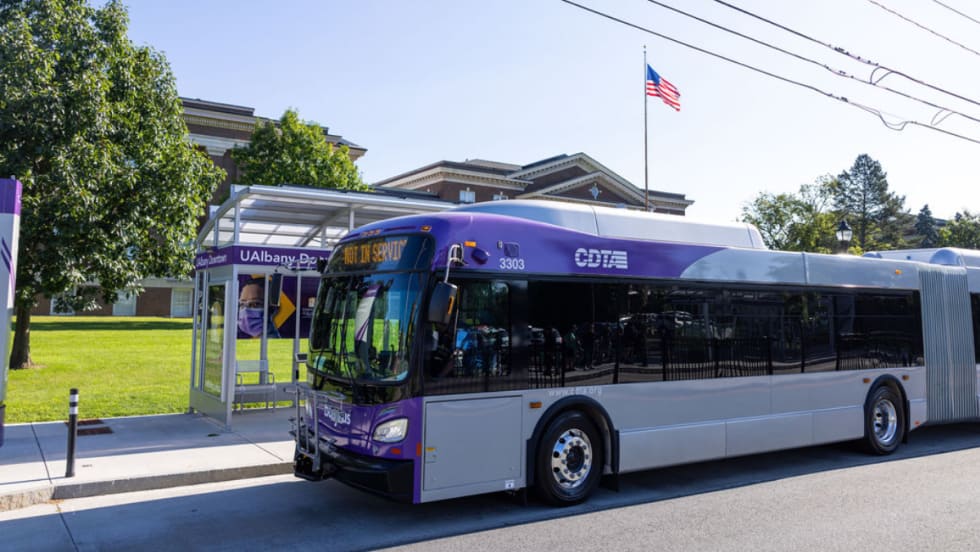
New York’s CDTA Service Rebalancing Boosts Productivity, On-Time Performance
Despite a slight dip in ridership, the agency’s FY2026 results show its service rebalancing strategy is helping the agency carry more riders per service hour while improving reliability.
Read More →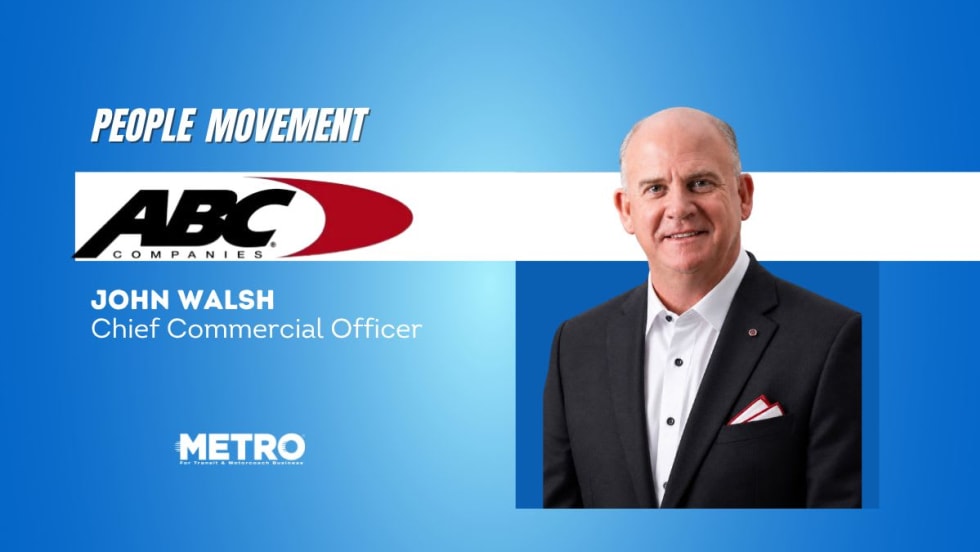
People Movement: ABC Names John Walsh as Chief Commercial Officer
In this edition, METRO also covers recent appointments and announcements at the DART, STV, and more, showcasing the individuals helping to shape the future of transportation.
Read More →
From Surviving to Thriving: Building Stronger Transportation Organizations
Bus Business Consultants founder Brian Dickson shares lessons on leadership, organizational health, and creating options for long-term success in a changing transportation industry.
Read More →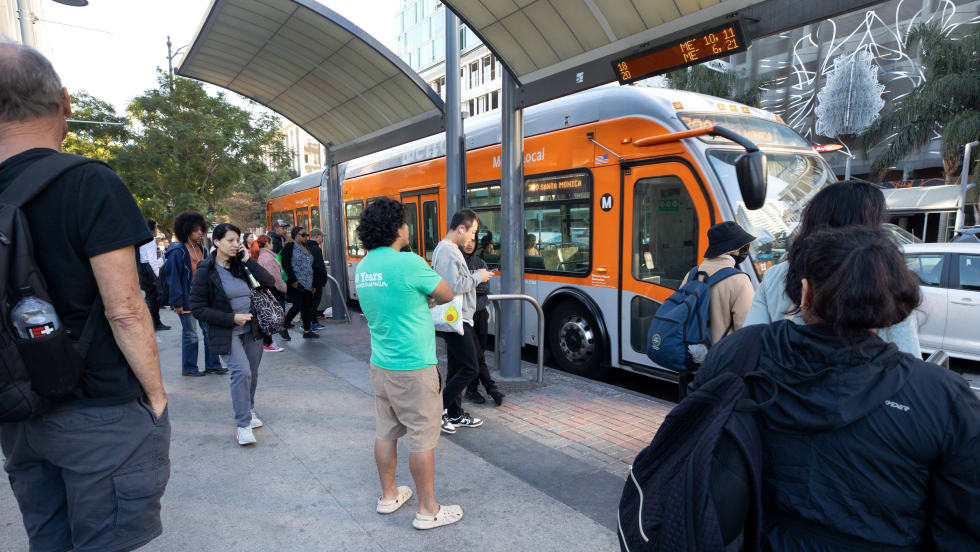
LA Metro Ridership Continues Growth as Rail Gains Accelerate
New rail connections and major events help drive continued ridership gains, with Metro recording its eighth consecutive month of year-over-year rail growth.
Read More →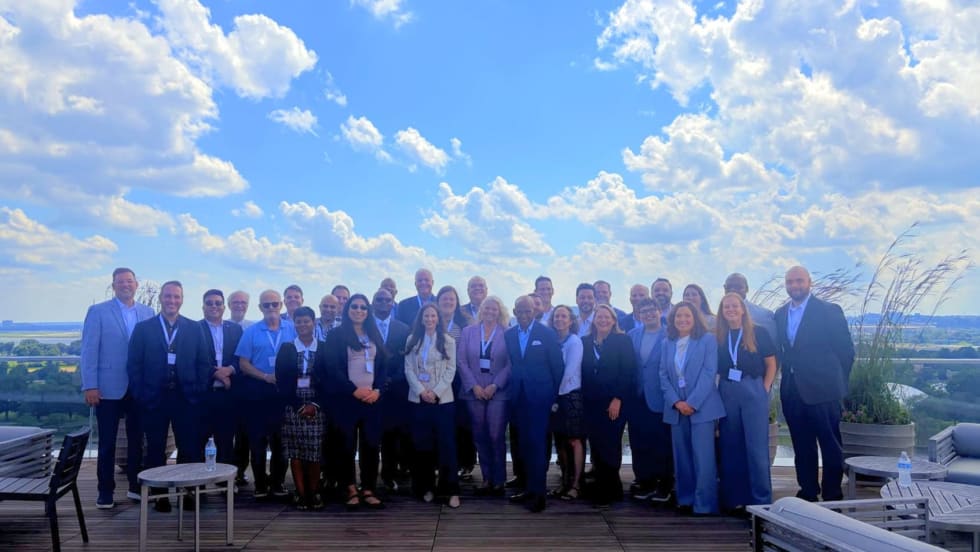
TransDASH Summit Focuses on Measuring What Matters in Transit
Transit agencies unveil a national performance platform designed to benchmark customer experience, safety, community value, and other outcomes.
Read More →
Jacksonville’s NAVI Project Charts a New Course for Autonomous Public Transportation
Through its NAVI program, JTA is showing how autonomous vehicles, intelligent infrastructure, and coordinated operations can work together to deliver everyday public transportation.
Read More →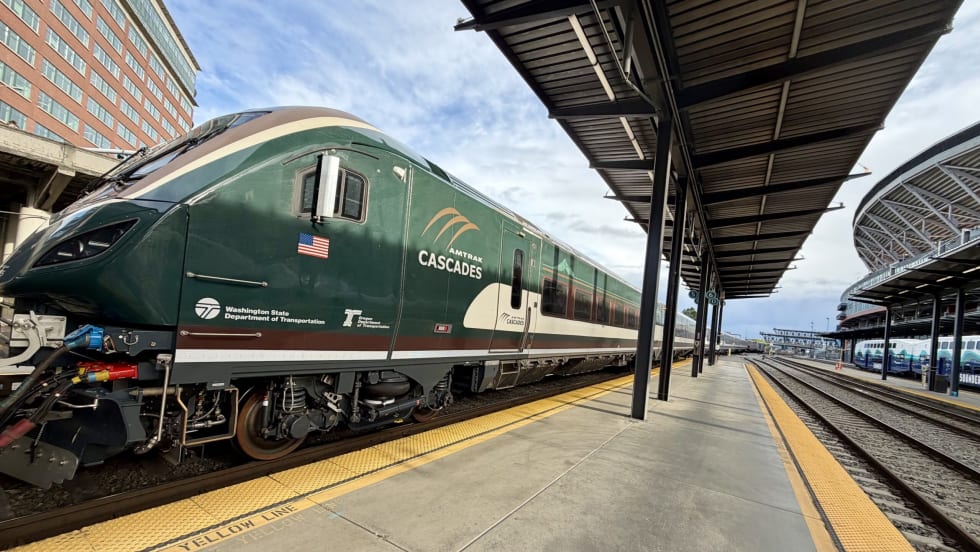
FRA Announces $5.3B in Rail Investments, Including $2B for Amtrak
Funding will support grade-crossing improvements, infrastructure upgrades, and new Amtrak equipment in 23 states.
Read More →
Finding the ‘Happy Medium’: Optimizing Maintenance Without Sacrificing Reliability
The key to maintenance optimization isn’t doing less work—it’s doing the right work at the right time on the right assets.
Read More →
People Movement: MARTA Drops Interim Tag on GM/CEO Hunt and More
In this edition, METRO covers recent appointments and announcements at the FMCSA, HDR, SilverRide, and more, showcasing the individuals helping to shape the future of transportation.
Read More →