



Judge Orders Striking California VTA Employees Back to Work
The judge issued the order after hearing arguments from lawyers representing VTA and the Amalgamated Transit Union Local 265 in court earlier this week.

The ATU represents over 1,500 VTA employees, including bus and light rail operators, maintenance staff, dispatchers, fare inspectors, and customer service representatives.
Photo: VTA
Santa Clara (California) County Superior Court Judge Daniel Nishigaya granted an injunction ordering striking VTA employees back to work.
The judge issued the order after hearing arguments from lawyers representing VTA and the Amalgamated Transit Union Local (ATU) 265 in court earlier this week.
The ruling will return public transportation to tens of thousands of people in Santa Clara County who rely on it to get to jobs, school, and other important destinations.
“We hope this ruling will encourage ATU to return to the bargaining table with a proposal that will resolve the contract conflict,” said VTA officials in a statement.
The agency said it is planning to get light rail and bus service back on the road Friday, March 28.
A Temporary Solution
On March 7, the union, which represents over 1,500 VTA employees, walked off the job, resulting in the VTA having to halt all light rail and bus services.
“VTA is extremely disappointed that ATU is leaving the communities of Silicon Valley stranded without much-needed bus and light rail service, said Greg Richardson, VTA deputy GM, at the time.
On March 11, the VTA filed a legal complaint in Santa Clara County Superior Court against the union for breach of the “no strike” clause in the parties’ agreement, with the goal of bringing the strike to an end as fast as possible and to allow for the restoration of VTA bus and light rail services, resulting to the recent decision.
The VTA had also sent a letter to California Gov. Gavin Newsom urging him to step in to end the strike.
Where the Sides are at
Earlier this week, the VTA’s board proposed an increase to the agency’s most recent proposal with authorization to go up to an 11% offer paying out at 4%, 4%, 3% over three years, conditional upon agreeing to proposals that reduce absenteeism to guarantee reliability of service.
The proposal also represented a meaningful increase from the previous board-authorized offer of 9% over three years, according to the VTA.
The board’s updated offer would ensure VTA operators remained the second highest paid out of the 27 Bay Area transit agencies and among the top five highest paid in the nation, according to the agency. Additionally, the offer includes comprehensive benefits and a pension plan.
The ATU represents over 1,500 VTA employees, including bus and light rail operators, maintenance staff, dispatchers, fare inspectors, and customer service representatives.
More Management

Bringing Austin’s First Light Rail System to Life
Austin Transit Partnership CEO Greg Canally discusses the city's nearly 10-mile light rail project, its collaborative approach to project delivery, the importance of community engagement, and the milestones ahead as construction approaches in 2027.
Read More →
ETA CEO John Maglio on Transit Technology, Innovation, and Building Agency Trust
ETA founder and CEO John Maglio explores the evolution of transit technology, the importance of reliable systems, and how stronger partnerships can help agencies improve operations and the passenger experience.
Read More →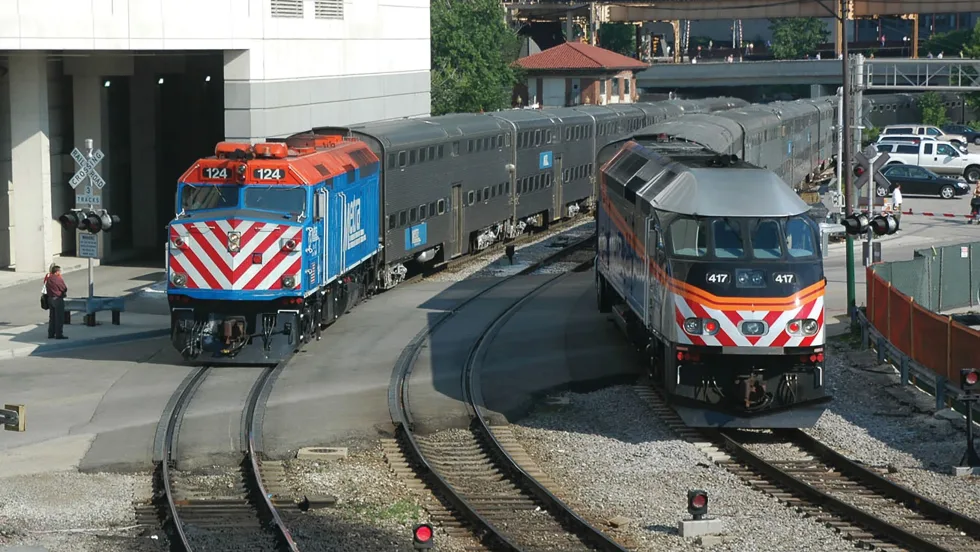
Metra Draft Plan Outlines Costs, Service Improvements for Regional Rail
The Systemwide Network Plan identifies infrastructure needs and potential investments to expand all-day, bidirectional rail service across the Chicago region.
Read More →
New Orleans RTA Names Augustine III as New CEO
In this edition, we also spotlight recent personnel moves at HDR, PATH, STV, and more, highlighting the people taking on new roles across the transportation industry.
Read More →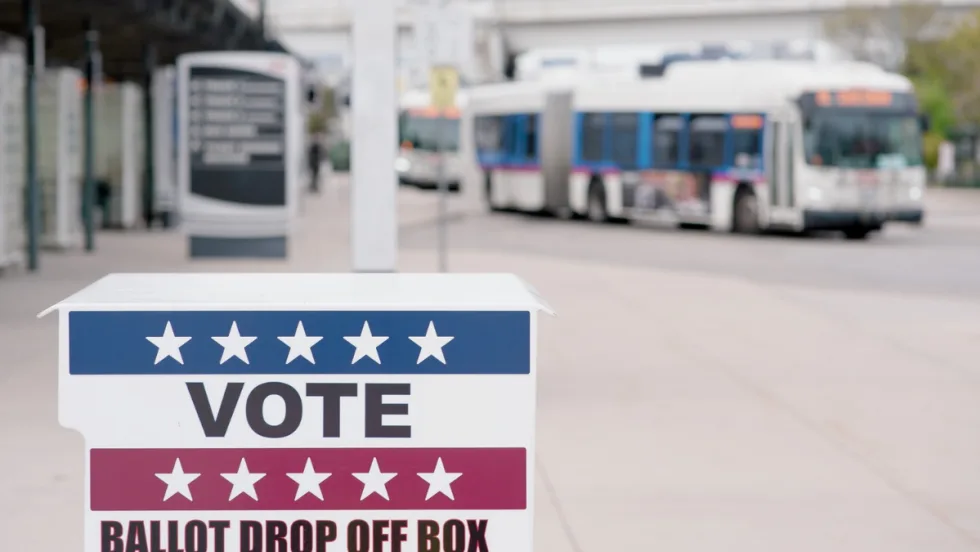
How Transit Agencies Are Using Free Rides to Improve Voting Access
Transit agencies are using fare-free service, trip-planning tools, and targeted rides to improve voting access. See what other agencies can learn from these efforts.
Read More →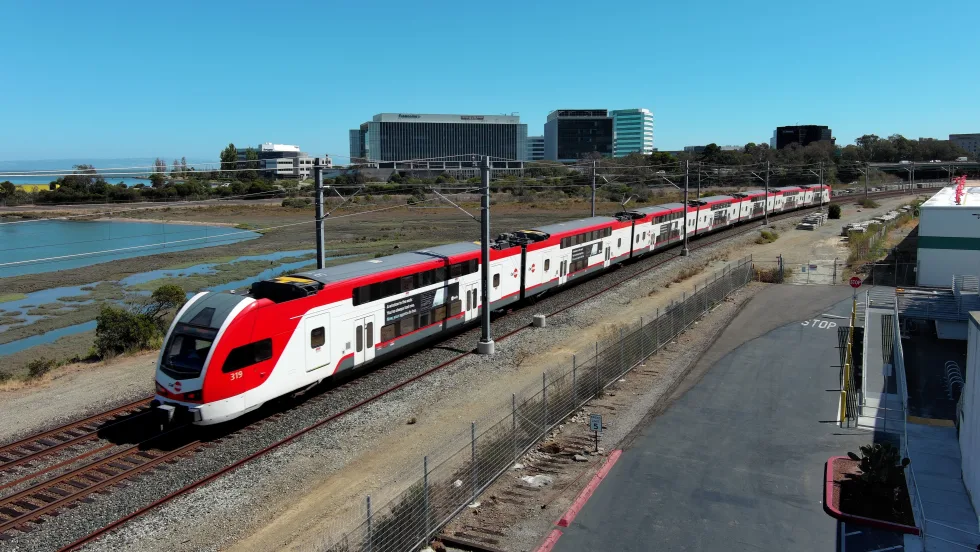
Caltrain’s Electrification Drives a New Era of Ridership Growth
The railroad’s shift to electric service has brought more frequent trains, stronger customer satisfaction, and increased ridership, earning it APTA’s Outstanding Public Transportation System award.
Read More →
Chicago, Charlotte Transit Agencies Expand Rider Support Programs
CTA launched crisis intervention teams as CATS prepares to deploy fare ambassadors, expanding customer assistance and security efforts across both systems.
Read More →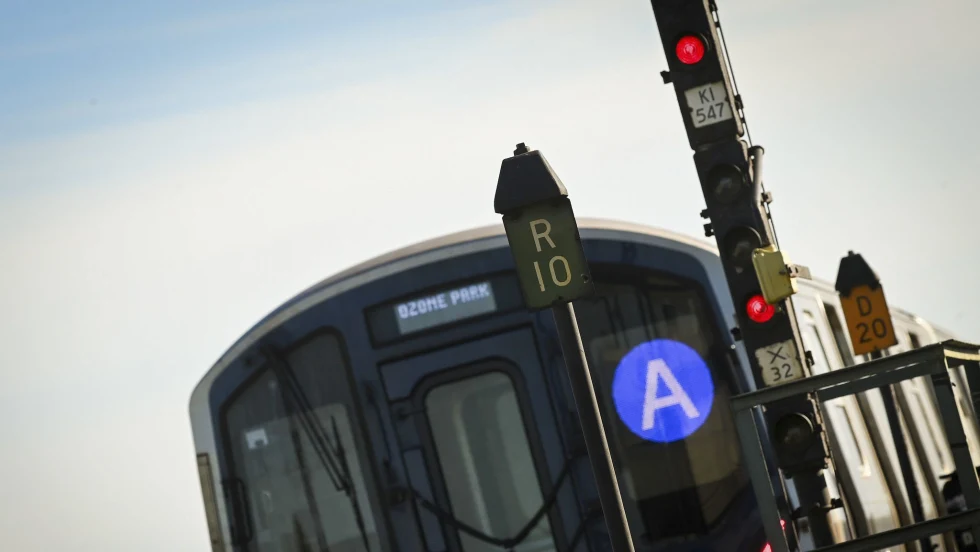
New York MTA Launches Historic $1.9B Signal, Track Modernization Project
Funded in part by congestion pricing revenue, the project will replace nearly century-old signals along the A and C lines in Brooklyn and Queens.
Read More →
Brian Dickson on Building Stronger, More Resilient Transportation Organizations
Bus Business Consultants Founder Brian Dickson discusses the leadership principles, operational discipline, and strategic planning that separate transportation companies positioned for long-term success from those stuck in survival mode.
Read More →
LA Metro Breaks Ground on Vermont BRT Project
The 12.4-mile corridor is projected to serve 66,200 daily riders, reduce travel times by up to 24%, and create the nation's busiest bus rapid transit corridor.
Read More →