



New APTA Data Finds Ridership Up to 85% of Pre-Pandemic Levels
APTA’s 75th edition of the Public Transportation Fact Book and its latest Ridership Policy Brief highlight the sector’s rebound, with transit agencies delivering 7.7 billion passenger trips in 2024 — 491 million more than the previous year.

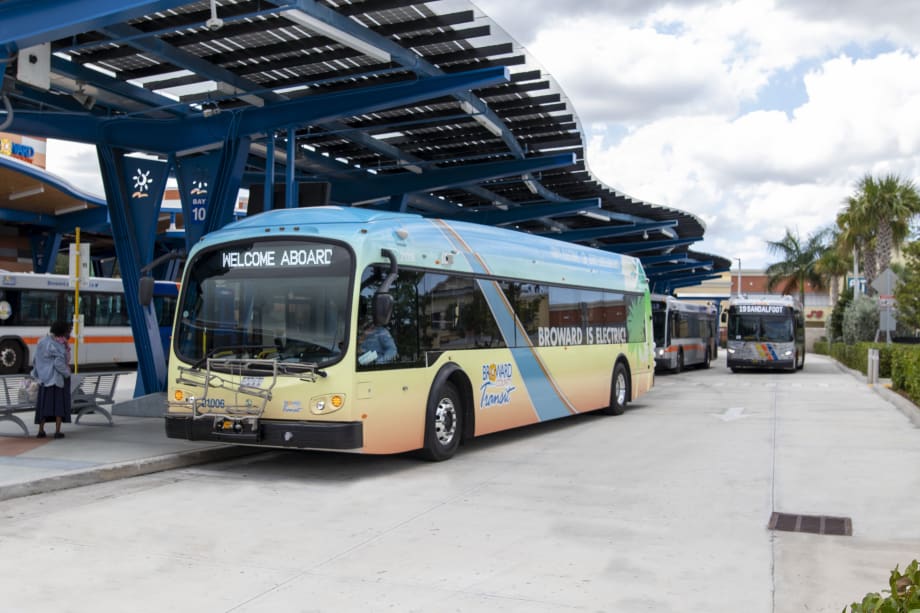
APTA found that bus ridership has shown a strong resurgence since bus riders tend to be younger and work in service industry jobs that require in-person attendance.
Photo: BCT
Two reports from the American Public Transportation Association (APTA) show that U.S. ridership has rebounded to 85% of pre-pandemic levels. However, office occupancy remains at 52%.
APTA’s 75th edition of the Public Transportation Fact Book and its latest Ridership Policy Brief highlight the sector’s rebound, with transit agencies delivering 7.7 billion passenger trips in 2024 — 491 million more than the previous year.
“We’re seeing remarkable recovery across all modes of public transportation, demonstrating the resilience and ongoing importance of public transit and passenger rail in connecting our communities,” said APTA President/CEO Paul P. Skoutelas. “Ridership continues to rebound despite limited office attendance, proving public transportation serves far more than traditional commuters. Our systems are vital lifelines, taking people to work, school, healthcare, and special community events.”
Ridership’s Bounce Up
APTA found that bus ridership has shown a strong resurgence since bus riders tend to be younger and work in service industry jobs that require in-person attendance.
The association also found that ridership patterns vary by city size — in general, smaller cities have restored their ridership to higher levels than larger cities.
Key highlights from the 2024 Public Transportation Fact Book and Ridership Policy Brief include:
Economic Impact and Investment
Public transportation delivers $5 in economic output for every $1 invested.
More than 77% of federal transit funding flows to the private sector.
Transit riders can save more than $13,000 annually compared to driving.
Service and Infrastructure
Transit agencies provided 4.27 billion vehicle revenue miles of service in 2022, an increase from 2021.
The number of rail systems grew to 99, a 62% increase from 2002.
More than 1,600 zero-emission buses are now in service.
Transit accessibility for people with wheelchairs and other mobility challenges has improved dramatically. Bus accessibility reached 99.8% in 2024, up from 95% in 2004.
Modal Recovery Trends
Demand response services have recovered to 93%, the highest of any mode
Bus ridership has recovered to 86% of 2019 levels, leading all fixed-route transit modes.
Smaller cities (population under 100,000) have recovered to 88% of pre-pandemic ridership.
Rail modes have recovered to 72% of 2019 levels, with continued growth expected.
“Our findings show that federal transit investments are delivering real results. Across the country, workers are building parts, designing systems, and developing new technology to keep public transit and passenger rail moving,” Skoutelas said. “Continued federal investment will improve safety, boost efficiency, and keep projects on schedule. We urge Congress to support strong, consistent funding for public transportation to create jobs, drive innovation, and strengthen America’s economy.”
More Management
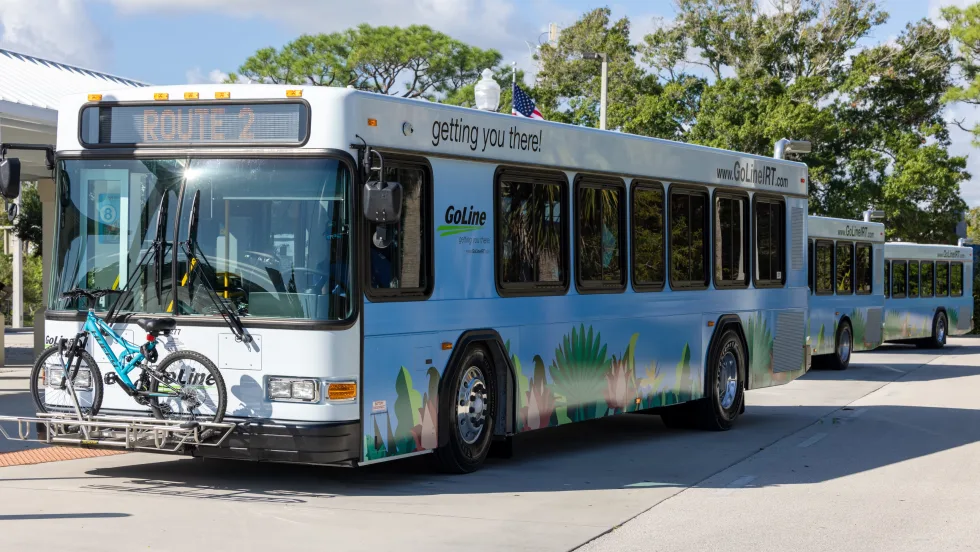
Indian River Transit’s Community-Focused Approach Earns National Recognition
Named APTA’s 2026 Outstanding Public Transportation System in its size category, Florida’s Indian River County transit system continues to grow ridership through fare-free service and a focus on evolving community needs.
Read More →
ENC Lands MATA Contract and More in Biz Briefs
In this edition of Biz Briefs, we spotlight the latest developments shaping the future of mobility.
Read More →
From Surviving to Thriving: Building Stronger Transportation Organizations
Bus Business Consultants founder Brian Dickson shares lessons on leadership, organizational health, and creating options for long-term success in a changing transportation industry.
Read More →

Everett Transit, Community Transit Outline Consolidation Agreement
The proposed agreement calls for a 50% increase in bus service in Everett, a new microtransit zone, continued paratransit service, and the transfer of Everett Transit operations to Community Transit.
Read More →
Strada360’s Steve Lassey on Turning Transit Data Into Better Decisions
From breaking down data silos to preparing for AI, Strada360 CEO Steve Lassey discusses how transit agencies can use technology to improve operations, customer information, and long-term decision-making.
Read More →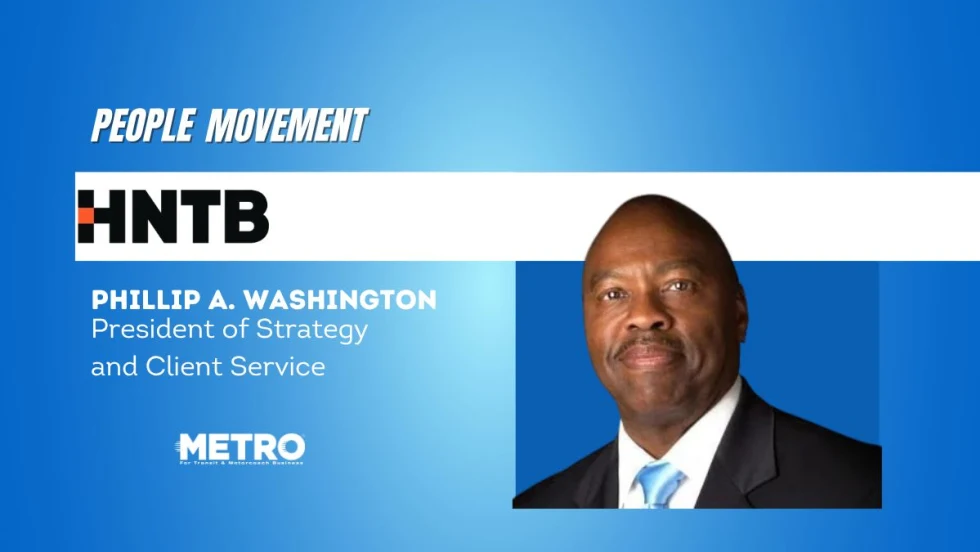
People Movement: Phil Washington Joins HNTB, Denver RTD Launches CEO Search, and More
In this edition, we also spotlight recent personnel moves at STV, the Eno Center for Transportation, and more, highlighting the people taking on new roles across the transportation industry.
Read More →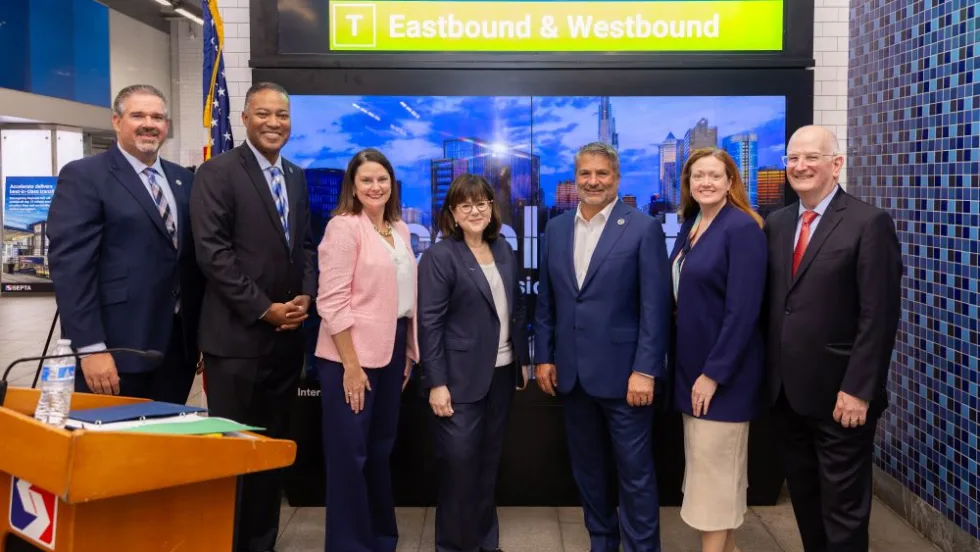
SEPTA Details Accelerate Vision for Transit System
The plan outlines investments in trolley modernization, new Metro and Regional Rail vehicles, accessible stations, and more frequent bus and rail service.
Read More →
FTA Ends Direct Oversight of MBTA Safety Actions
The federal agency closed its remaining special directive to the Massachusetts Department of Public Utilities following a safety review that began in 2022.
Read More →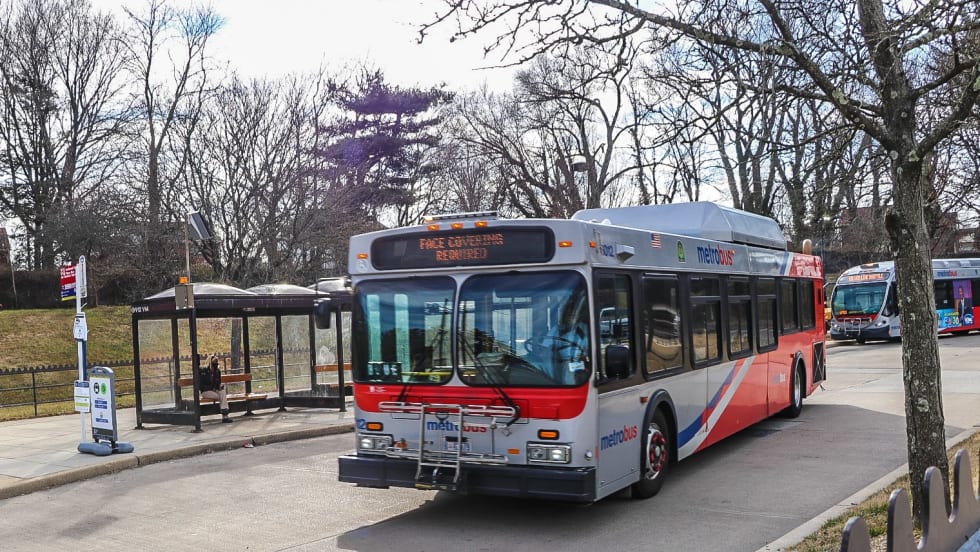
Report: Transit Bus Manufacturing Supports 34,100 Jobs, $5.1B in GDP
The “Buses Mean Business” report examines the transit bus manufacturing industry’s economic footprint, supply chain, and rising demand for vehicle replacements.
Read More →
LIT Marks 10-Year Milestone at Annual Summit
Hosted by the COTA from September 10 to 13, the Summit carried the theme “Celebrating 10 Years of Excellence, Leadership, and Impact,” with every part of the program honoring the people, agencies, and partners who built LIT over its first decade.
Read More →