




More news: SEPTA Budget Proposal Includes 45% Service Cuts, 21.5% Fare Increases
APTA Testifies Before U.S. House: 77% of Federal Transit Funding Goes to Private Sector
Nathaniel P. Ford Sr., CEO of Jacksonville Transportation Authority, recently testified to the U.S. House of Representatives on behalf of the APTA regarding the impact of federal funding on public transit agencies.
April 11, 2025
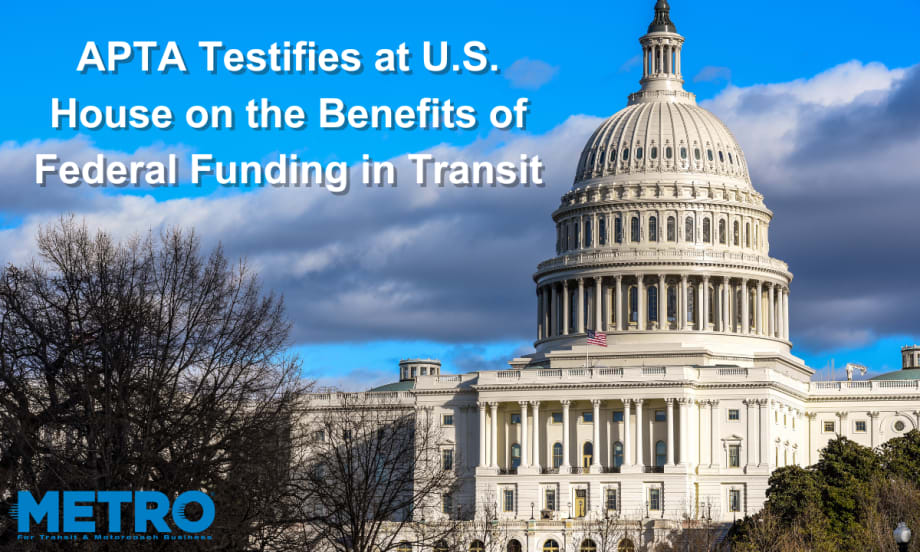
The APTA continues to push for additional federal funding in public transportation, after a study shows that 77% of federal transit funding goes to private-sector companies.
Photo: Metro/Canva
3 min to read
The American Public Transportation Association (APTA) recently sent Nathaniel P. Ford Sr., CEO of Jacksonville Transportation Authority, to testify before the U.S. House Transportation and Infrastructure Subcommittee on Highways and Transit, highlighting public transportation’s role in moving people, creating jobs and growing the economy.
How Federal Transit Funding Impacts the Nation
Ford focused on the critical investments needed to improve our nation’s public transit, passenger rail, and multimodal infrastructure. He emphasized the positive impact of federal investments on local communities and the national economy, especially how they support millions of public—and private-sector jobs.
“As this Committee develops the next Surface Transportation Authorization bill, we urge you to recognize that public transportation creates economic growth opportunities for businesses of all sizes, and it creates good-paying, family-supporting jobs,” Ford said. “Transit not only connects workers to jobs, students to school, and people to healthcare, it is an economic driver for the private sector—77% of federal public transportation investment flows to American businesses.”
Ford continued, “Transit capital projects support businesses in communities across the country. According to the latest data and analysis from APTA, federal funding impacts more than 2,000 suppliers in 48 States and Washington, D.C., including smaller urban and rural areas where transit buses, railcars, and their parts are often manufactured.”
An Ongoing Effort to Invest in Transit
This testimony is part of the APTA’s advocacy efforts urging Congress to continue to invest in public transit infrastructure to help ensure that transit agencies can continue to meet the mobility demands of people across the nation and continue to drive efficiency and safety improvements by leading in the adoption of new technologies.
APTA recommends that Congress build upon the successful investment of the Infrastructure Investment and Jobs Act to make federal dollars go further, including:
Conduct a zero-based review of Capital Investment Grants (CIG) program requirements to eliminate any requirements that do not meet a two-part test: to build good CIG projects that protect the taxpayer interest.
Provide flexibility for public transit agencies to acquire land prior to completion of National Environmental Policy Act (NEPA) review, on parity with highway projects.
Help address transit workforce needs by eliminating the Federal Motor Carrier Safety Administration’s (FMCSA) Commercial Driver’s License (CDL) under-the-hood testing for bus operators.
Improve drug testing processes and results by urging the Department of Health and Human Services (HHS) to certify laboratories needed to conduct oral fluid drug testing.
“Public transportation is beneficial to all Americans and is an essential service for many,” said Paul P. Skoutelas, president and CEO of APTA. “Meaningful and sustained investments in public transportation helps create jobs, build a stronger economy and leads to more opportunities for communities across our country.”
Ford’s full testimony can be found here.
Topics:Management
More Management
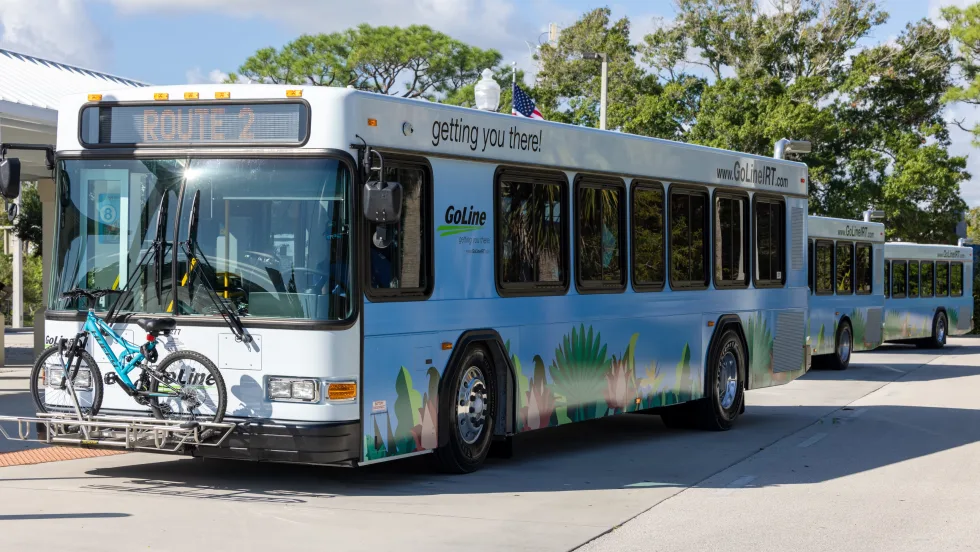
Indian River Transit’s Community-Focused Approach Earns National Recognition
Named APTA’s 2026 Outstanding Public Transportation System in its size category, Florida’s Indian River County transit system continues to grow ridership through fare-free service and a focus on evolving community needs.
Read More →
ENC Lands MATA Contract and More in Biz Briefs
In this edition of Biz Briefs, we spotlight the latest developments shaping the future of mobility.
Read More →
From Surviving to Thriving: Building Stronger Transportation Organizations
Bus Business Consultants founder Brian Dickson shares lessons on leadership, organizational health, and creating options for long-term success in a changing transportation industry.
Read More →

Everett Transit, Community Transit Outline Consolidation Agreement
The proposed agreement calls for a 50% increase in bus service in Everett, a new microtransit zone, continued paratransit service, and the transfer of Everett Transit operations to Community Transit.
Read More →
Strada360’s Steve Lassey on Turning Transit Data Into Better Decisions
From breaking down data silos to preparing for AI, Strada360 CEO Steve Lassey discusses how transit agencies can use technology to improve operations, customer information, and long-term decision-making.
Read More →
People Movement: Phil Washington Joins HNTB, Denver RTD Launches CEO Search, and More
In this edition, we also spotlight recent personnel moves at STV, the Eno Center for Transportation, and more, highlighting the people taking on new roles across the transportation industry.
Read More →
SEPTA Details Accelerate Vision for Transit System
The plan outlines investments in trolley modernization, new Metro and Regional Rail vehicles, accessible stations, and more frequent bus and rail service.
Read More →
FTA Ends Direct Oversight of MBTA Safety Actions
The federal agency closed its remaining special directive to the Massachusetts Department of Public Utilities following a safety review that began in 2022.
Read More →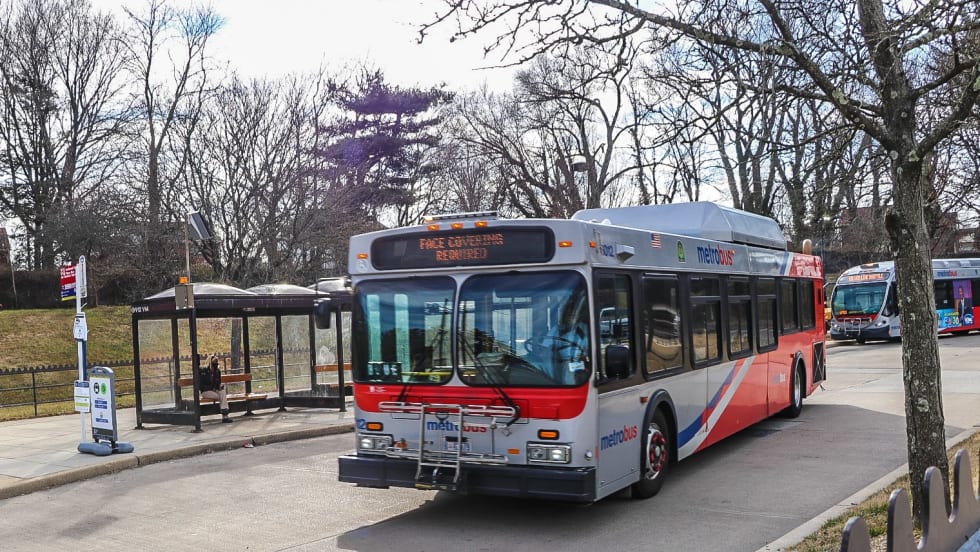
Report: Transit Bus Manufacturing Supports 34,100 Jobs, $5.1B in GDP
The “Buses Mean Business” report examines the transit bus manufacturing industry’s economic footprint, supply chain, and rising demand for vehicle replacements.
Read More →
LIT Marks 10-Year Milestone at Annual Summit
Hosted by the COTA from September 10 to 13, the Summit carried the theme “Celebrating 10 Years of Excellence, Leadership, and Impact,” with every part of the program honoring the people, agencies, and partners who built LIT over its first decade.
Read More →