



Transit Ridership Outgrows Driving in Vancouver Region
The agency reported that in 2024, Metro Vancouver recorded 7.7 million more transit trips than in 2023 — a 3% year-over-year increase, outpacing a modest 1% rise in vehicle travel across the region.

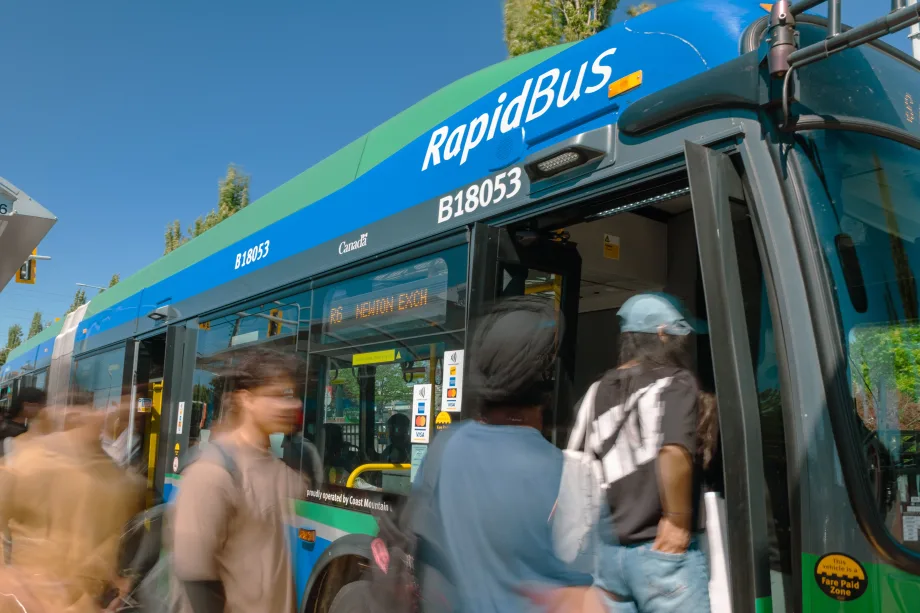
TransLink continues to rank among North America’s top-performing transit agencies. It has the second-highest per capita transit ridership in Canada, ahead of the Greater Toronto and Hamilton Area and second only to Greater Montreal.
Photo: TransLink
New data from TransLink’s 2024 Transit Service Performance Review (TSPR) shows that more Metro Vancouver, Canada, residents opt for transit over driving. This trend reflects growing confidence in the region’s public transportation system.
The agency reported that in 2024, Metro Vancouver recorded 7.7 million more transit trips than in 2023 — a 3% year-over-year increase, outpacing a modest 1% rise in vehicle travel across the region.
“As Metro Vancouver continues to grow, more people are turning to transit instead of driving, which reflects our system’s reliability,” said TransLink CEO Kevin Quinn. “Our 2025 Investment Plan is key to keeping this momentum going and meeting the demand of a growing region.”
The agency said the findings highlight TransLink’s system's resilience and growing appeal.
Driving estimates were calculated using traffic counts from eight major bridges and the George Massey Tunnel, comparing road and transit usage broadly.
A National Leader in Transit Performance
TransLink continues to rank among North America’s top-performing transit agencies. It has the second-highest per capita transit ridership in Canada, ahead of the Greater Toronto and Hamilton Area (GTHA) and second only to Greater Montreal. It also has the third-highest total bus ridership among Canadian and American agencies, despite Metro Vancouver’s relatively smaller population base.
Major events also fueled ridership spikes in 2024.
Notably, Stadium–Chinatown SkyTrain Station saw a 29% increase in ridership, driven by high-profile events at BC Place and Rogers Arena. According to the agency's data, the Taylor Swift concert series alone resulted in record-setting numbers, with a 116% jump in ridership at Stadium–Chinatown and a 64% increase in SeaBus boardings during the same period.
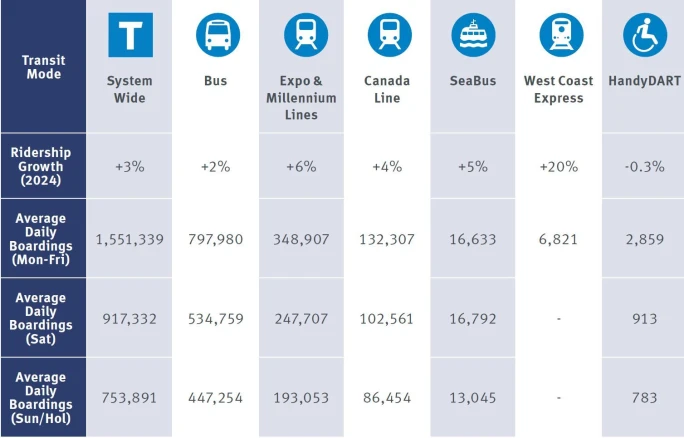
Metro Vancouver ridership by mode.
Photo: TransLink
RapidBus, HandyDart Drive Growth
The RapidBus BRT network was a standout contributor to ridership gains in 2024.
Some highlights include:
Accounting for 15% of all bus boardings despite having just six routes.
Four RapidBus routes ranking among TransLink’s top 10 most used.
The RapidBus system averaged 20,600 daily boardings per route, more than five times the daily boardings of a typical local bus route.
TransLink’s HandyDART paratransit service also demonstrated strong performance and user satisfaction.
Highlights for that service include:
1.17 million trips delivered in 2024.
Customer satisfaction 8.8 out of 10, the second-highest score ever recorded.
99.6% requested trips were fulfilled, with 91% arriving on time.
Primary trip purposes included day programs (36%), medical appointments (16%), and dialysis (14%).
Looking Ahead: 2025 Investment Plan
TransLink’s 2025 Investment Plan, which launches in September, is designed to address service gaps, reduce overcrowding, and expand access in underserved areas.
The plan reflects the agency’s ongoing commitment to providing high-quality, responsive transit service to a rapidly growing population.
As Metro Vancouver's transit network continues to evolve, these numbers underscore a system that is keeping pace with demand and setting a national standard for public mobility, the agency said.
More Management
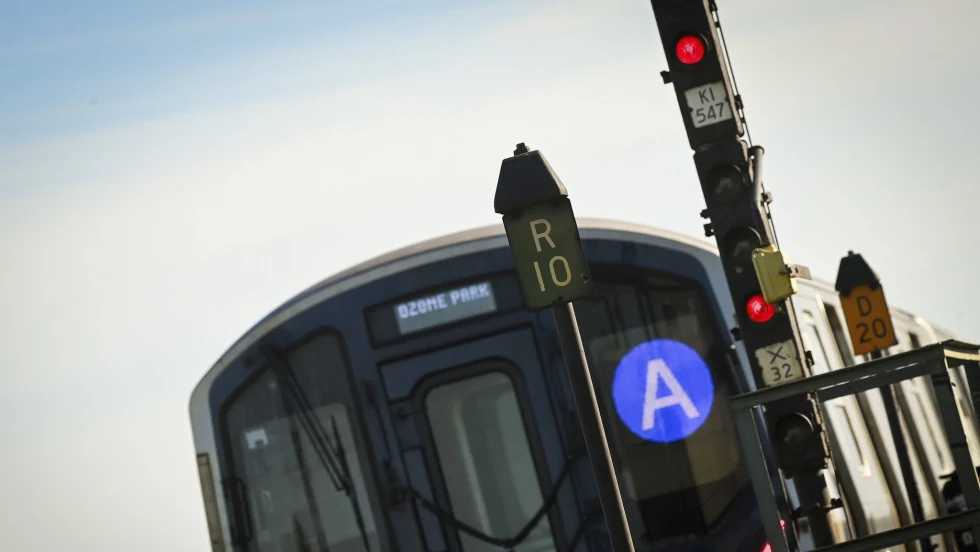
New York MTA Launches Historic $1.9B Signal, Track Modernization Project
Funded in part by congestion pricing revenue, the project will replace nearly century-old signals along the A and C lines in Brooklyn and Queens.
Read More →
Brian Dickson on Building Stronger, More Resilient Transportation Organizations
Bus Business Consultants Founder Brian Dickson discusses the leadership principles, operational discipline, and strategic planning that separate transportation companies positioned for long-term success from those stuck in survival mode.
Read More →
LA Metro Breaks Ground on Vermont BRT Project
The 12.4-mile corridor is projected to serve 66,200 daily riders, reduce travel times by up to 24%, and create the nation's busiest bus rapid transit corridor.
Read More →
Building Stronger Leaders, More Resilient Transit Teams
Dr. Carol Parker Walsh discusses leadership development, employee retention, workplace culture, and preparing transit’s workforce for AI and automation.
Read More →
Roman Cornell on ABC Companies’ Evolution and the Future of Passenger Transportation
The company’s CEO discusses carrying forward a third-generation family legacy, ABC’s continued evolution in passenger transportation, support for increasingly complex fleets, and how technology and continued investment could help operators improve uptime.
Read More →
CATS Launches West Charlotte Microtransit Zone, Expands Transit Services
The new microtransit zone connects residents to key destinations as Charlotte Area Transit System rolls out the first phase of its 2055 Transit System Plan.
Read More →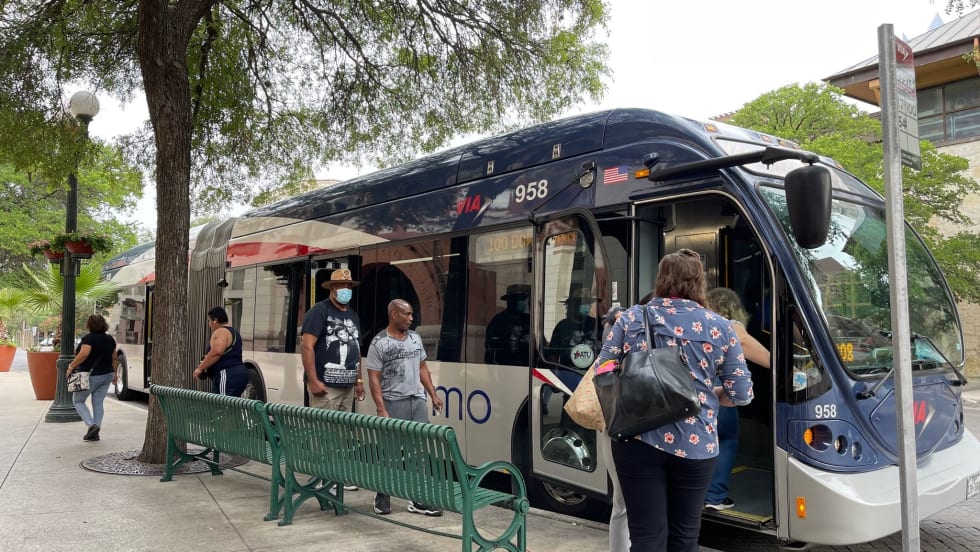
VIA Bus Ridership Grows 10.1% Through August 2026
San Antonio's VIA Metropolitan Transit reported the highest bus ridership growth among major Texas transit systems. Federal Transit Administration data ranked it second among the nation's 50 largest transit systems.
Read More →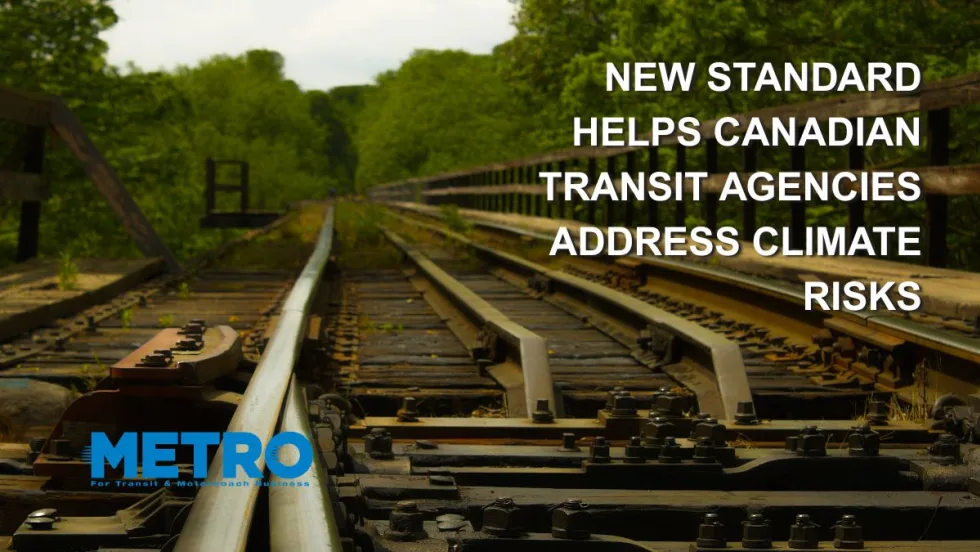
CSA Group Releases Climate Resilience Standard for Transit, Passenger Rail
Developed with support from the Standards Council of Canada, CSA D700 guides assessing climate-related risks and planning adaptation measures for transit and passenger rail systems.
Read More →
ETA CEO John Maglio on Transit Technology, Innovation, and Building Agency Trust
ETA founder and CEO John Maglio explores the evolution of transit technology, the importance of reliable systems, and how stronger partnerships can help agencies improve operations and the passenger experience.
Read More →
COTA Launches First Customer Experience Action Plan to Improve Transit Service
The new plan outlines improvements to service reliability, accessibility, communication, and the overall rider experience across Central Ohio's transit system.
Read More →