




Keep Reading: SEPTA Continues to Enhance Safety & Security Efforts
Philadelphia’s SEPTA Expands Cost-Saving Plan with New Phase of Efficiency Program
Facing a $213 million deficit, SEPTA is launching the next phase of its Efficiency & Accountability Program, building on employee-led innovations, fare enforcement, and real estate development.
May 22, 2025
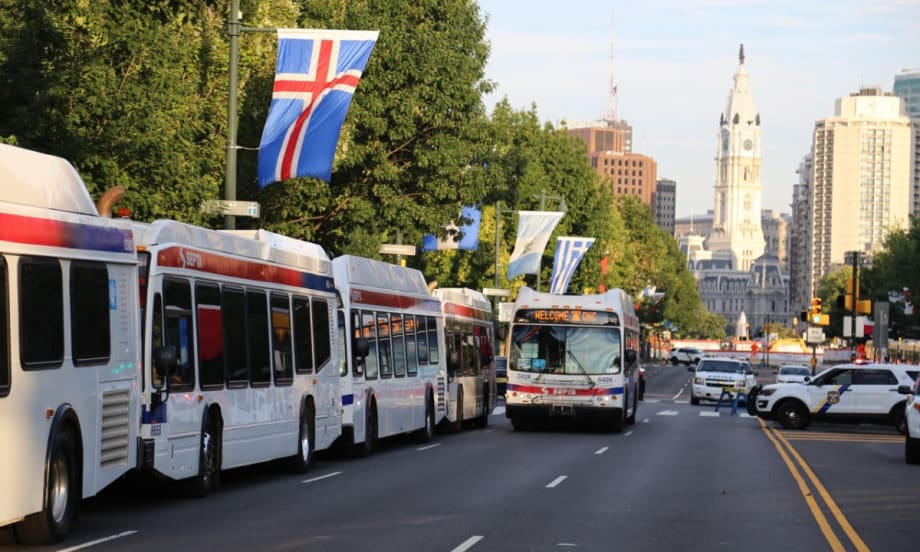
SEPTA employees have created and implemented 140 cost-saving initiatives to make the authority even more efficient.
Photo: SEPTA
2 min to read
As Philadelphia’s SEPTA faces a $213 million budget deficit starting July 1, the authority recently announced its Efficiency & Accountability (E&A) Program has recognized $91.4 million in annual recurring new revenue and cost savings.
SEPTA is doubling down on this progress, aiming to be more cost-effective while still delivering reliable services, by launching its next phase of E&A, which is expected to generate $76 million in revenue.
This new plan will be implemented over the next three years, focusing on strategic areas like safety, fare evasion, and joint development.
"As we continue to make the case for funding transit, we understand that self-help must be part of the solution to put SEPTA in the best financial position possible," said SEPTA Board Chair Kenneth E. Lawrence Jr.
SEPTA Cuts Costs Through Employee Innovation, Austerity
Since 2021, according to an authority statement, SEPTA employees have created and implemented 140 cost-saving initiatives to make the authority even more efficient. SEPTA's structural deficit has been reduced from $240 million to $213 million due to the employee program and a series of austerity measures, including:
Hiring and pay freeze for management.
Reductions in consultant contracts.
A ban on travel and all discretionary expenses.
"While we cannot cut our way out of this funding crisis, engaging our employees to help identify opportunities for improved performance demonstrates that we are good stewards of public funds," said SEPTA Interim GM Scott A. Sauer.
Examples of SEPTA's past and future E&A initiatives include:
Deter and Decrease Fare Evasion ($4 millionin potential new revenue)
SEPTA is combating fare evasion through enhanced policing and new technology and infrastructure.
As part of this effort, SEPTA Transit Police are conducting new Fare Evasion Enforcement Blitzes at select stations across the system, increasing fare evasion citations and fare revenue.
Maximize Railroad Crewing ($11.3million in savings)
SEPTA's Regional Rail Engineer and Conductor Training Program addresses critical staffing shortages by replenishing engineer numbers, reducing overtime costs, and enhancing work-life balance.
Maximize Value of Real Estate Assets ($9 millionin potential new revenue)
SEPTA is building on the success of its Transit Oriented Communities Program by pursuing joint development opportunities to secure better returns on its real estate assets.
Building housing and commercial space near SEPTA's stations will encourage ridership and bring economic activity to the communities that SEPTA serves.
More Management

Indian River Transit’s Community-Focused Approach Earns National Recognition
Named APTA’s 2026 Outstanding Public Transportation System in its size category, Florida’s Indian River County transit system continues to grow ridership through fare-free service and a focus on evolving community needs.
Read More →
ENC Lands MATA Contract and More in Biz Briefs
In this edition of Biz Briefs, we spotlight the latest developments shaping the future of mobility.
Read More →
From Surviving to Thriving: Building Stronger Transportation Organizations
Bus Business Consultants founder Brian Dickson shares lessons on leadership, organizational health, and creating options for long-term success in a changing transportation industry.
Read More →

Everett Transit, Community Transit Outline Consolidation Agreement
The proposed agreement calls for a 50% increase in bus service in Everett, a new microtransit zone, continued paratransit service, and the transfer of Everett Transit operations to Community Transit.
Read More →
Strada360’s Steve Lassey on Turning Transit Data Into Better Decisions
From breaking down data silos to preparing for AI, Strada360 CEO Steve Lassey discusses how transit agencies can use technology to improve operations, customer information, and long-term decision-making.
Read More →
People Movement: Phil Washington Joins HNTB, Denver RTD Launches CEO Search, and More
In this edition, we also spotlight recent personnel moves at STV, the Eno Center for Transportation, and more, highlighting the people taking on new roles across the transportation industry.
Read More →
SEPTA Details Accelerate Vision for Transit System
The plan outlines investments in trolley modernization, new Metro and Regional Rail vehicles, accessible stations, and more frequent bus and rail service.
Read More →
FTA Ends Direct Oversight of MBTA Safety Actions
The federal agency closed its remaining special directive to the Massachusetts Department of Public Utilities following a safety review that began in 2022.
Read More →
Report: Transit Bus Manufacturing Supports 34,100 Jobs, $5.1B in GDP
The “Buses Mean Business” report examines the transit bus manufacturing industry’s economic footprint, supply chain, and rising demand for vehicle replacements.
Read More →
LIT Marks 10-Year Milestone at Annual Summit
Hosted by the COTA from September 10 to 13, the Summit carried the theme “Celebrating 10 Years of Excellence, Leadership, and Impact,” with every part of the program honoring the people, agencies, and partners who built LIT over its first decade.
Read More →