



All Speed Restrictions Lifted on Denver's RTD Light Rail After Maintenance Effort
The final restriction — a 400-foot southbound segment near Southmoor Station — was lifted after targeted repairs were completed during routine overnight maintenance.

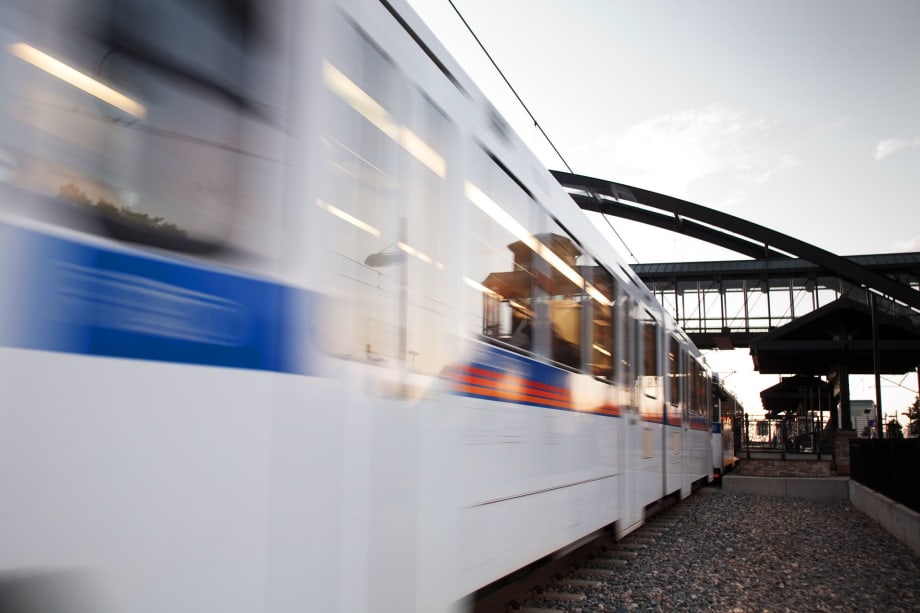
The restrictions, introduced in May 2024, were part of a broader initiative to improve the safety and reliability of RTD’s 120-mile light rail network.
Photo: Denver RTD
Denver’s Regional Transportation District (RTD) successfully removed the last 31 light rail speed restrictions placed across portions of the D, E, H, and R lines over the past year.
The final restriction — a 400-foot southbound segment near Southmoor Station — was lifted after targeted repairs were completed during routine overnight maintenance.
Comprehensive Maintenance Strategy
The restrictions, introduced in May 2024, were part of a broader initiative to improve the safety and reliability of RTD’s 120-mile light rail network.
In response to findings from intensified track inspections, the agency implemented temporary 10 mph slow zones in four locations until corrective maintenance could be completed.
A coordinated effort involving nearly 100 RTD staff, including rail laborers, track maintainers, and supervisors, spanned months of overnight work to complete repairs safely and efficiently. Much of this work occurred during off-service hours, requiring careful planning around system shutdowns and alternate transportation for riders.
Since the project’s inception:
12,091 feet of track (over 2 miles) have been replaced.
50-plus miles of rail have been ground to remove surface imperfections.
Ballast leveling, joint bar installation, and realignment have been performed across the network.
The combined efforts have led to more rail work being completed in a year than RTD had accomplished over the previous two decades.
Elevated Inspection Standards, Practices
RTD’s renewed focus on infrastructure health was guided by adopting the American Public Transportation Association (APTA) standards for track inspection and maintenance. These standards encompass visual, mechanical, and ultrasonic inspections designed to identify internal defects before they impact service.
RTD’s inspection regime highlights include annual ultrasonic testing of all 120 miles, walking inspections every 90 days to gather detailed measurements and track anomalies, “hi-rail” vehicle inspections twice weekly, and multiple layers of periodic checks (monthly, quarterly, and annually).
To meet the growing demands of this rigorous schedule, RTD has also increased its track maintenance workforce and plans to expand from 14 to 18 dedicated professionals.
More Rail

New York MTA Advances Final Contract for Second Avenue Subway Expansion
Contract Four is the largest in the Second Avenue Subway Phase 2 project and includes construction of station infrastructure, tracks, and signals for the subway expansion, MTA officials said. Work on Contract Four will begin in 2027.
Read More →
San Diego MTS Breaks Monthly Trolley Ridership Record
Agency officials said July’s ridership indicates MTS’s continued recovery from the pandemic.
Read More →
Report Examines NJ TRANSIT Reliability, Funding Challenges
The Garden State Initiative analysis examines the roles of Amtrak infrastructure, fleet management, and agency operations while recommending a more performance-based approach to improving reliability.
Read More →
Stadler, CapMetro Sign Long-Term Rail Fleet Support Agreement
Beginning in 2027, Stadler will provide on-site technical expertise, spare parts support, training, and obsolescence management to help extend the reliability and longevity of CapMetro’s GTW fleet.
Read More →
Biz Briefs: Alstom Lands Canadian Contract, LYT to Supply California TSP, and More
In METRO's latest installment, we take a look at recent news from Complete Coach Works, Beep, FlixBus, and more partnerships making headlines across the transportation sector.
Read More →
CATS Gold Line Marks 5 Years of Service, 2.8M Passenger Trips
With a six-mile expansion planned, the Charlotte streetcar is positioned to connect more neighborhoods and major transit hubs across the region.
Read More →
Why Simulating Pedestrian Movement Has Become Essential for Modern Rail Stations
Pedestrian microsimulation is helping rail planners identify bottlenecks, test station designs, and prepare complex transit hubs for growing passenger volumes.
Read More →
Amtrak Begins Major Construction at New York’s Sunnyside Yard
The new maintenance facility will support Amtrak’s Airo trainsets while improving maintenance efficiency and turnaround times in New York.
Read More →
Chicago Leaders Unveil Plans for O’Hare Airport Express Train
The privately developed project would offer a 15-minute trip between downtown and O’Hare’s Terminal 2, with trains operating every 15 minutes on a dedicated track. The service would use battery-electric trains and three existing freight rail rights-of-way.
Read More →
OCTA Maps Out 30-Year Strategy to Protect Coastal Rail Corridor
The draft feasibility report identifies strategies to protect the coastal rail line for decades as the agency continues near-term stabilization and sand placement efforts.
Read More →