



FRA Report Finds California High-Speed Rail Project in Default of Federal Grant Terms
U.S. DOT cites delays, cost overruns, and funding shortfalls in 310-page review; CHSRA has 37 days to respond before possible grant termination


In a letter to CHSRA CEO Ian Choudri, the FRA outlined that the agency has 37 days to formally respond to the findings, which could lead to further federal action, including potential grant termination.
Photo: CHSRA
The U.S. Department of Transportation released a comprehensive compliance review by the Federal Railroad Administration (FRA) concluding that the California High-Speed Rail Authority (CHSRA) is in default of the terms associated with two major federal grant agreements totaling approximately $4 billion.
The report outlines nine key findings, citing missed deadlines, funding gaps, and overly optimistic ridership projections among the project’s ongoing challenges.
Background on FRA’s Report
The 310-page report stems from a detailed investigation by Transportation Secretary Sean P. Duffy in February 2025.
The review focused on two cooperative agreements: a $929 million award issued in 2010 and a $3.07 billion grant finalized in 2024. In a letter to CHSRA CEO Ian Choudri, the FRA outlined that the agency has 37 days to formally respond to the findings, which could lead to further federal action, including potential grant termination.
Among the FRA’s central findings:
The CHSRA is facing a $7 billion funding gap for completing the Early Operating Segment (EOS), and it has “no credible plan to close it.”
The agency has missed key deadlines, including finalizing its rolling stock procurement.
It lacks adequate budget contingency for anticipated contractor claims and change orders.
The project's current scope is unlikely to meet 2033 completion commitments laid out in the federal agreements.
Ridership projections have been significantly overrepresented, and the project now risks connecting endpoints far removed from the proposed initial metropolitan links.
“Given CHSRA’s past performance and risk profile, there is no viable path to completing the EOS by 2033,” the FRA report stated. It also flags the agency’s dependence on uncertain non-federal funding sources and limited capacity to manage large-scale infrastructure.
Transportation Secretary Duffy emphasized fiscal responsibility: “This report makes clear that CHSRA is far from delivering the vision it promised to taxpayers. If it cannot meet its commitments, it may be time to redirect these funds to projects better positioned to deliver meaningful high-speed rail infrastructure.”
About California’s High-Speed Rail Project
The California High-Speed Rail project, envisioned as the nation’s first true high-speed rail corridor, has faced mounting scrutiny amid rising construction costs, scope reductions, and shifting timelines in recent years.
The FRA said that despite receiving approximately $6.9 billion in federal funds over 15 years, the project has yet to complete any high-speed segments or deliver full-service rail operations.
As METRO Magazine has previously reported, CHSRA has defended its progress in advancing foundational infrastructure in California’s Central Valley. Construction activity has continued amid ongoing challenges with third-party coordination, land acquisition, and state-level funding certainty. The FRA’s findings now cast further uncertainty over the timeline and scope of what was once billed as a transformative national infrastructure initiative.
The CHSRA is expected to issue a formal response in the coming weeks. The FRA’s final decision could have broad implications for the future of high-speed rail development in the U.S.
More Rail
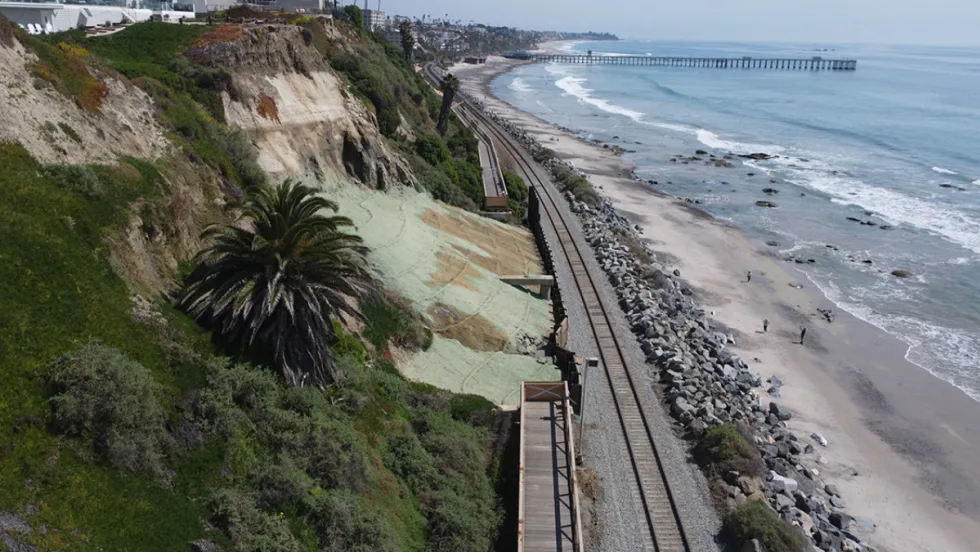
OCTA Declares Emergency to Protect Rail Corridor From Coastal Erosion
The California agency is accelerating shoreline protection and plans to place approximately 690,000 cubic yards of sand along the San Clemente coast to protect a key passenger and freight rail link.
Read More →
More Than a Summer Job: Building the Next Generation of Transit Talent
The Delaware River Port Authority and PATCO have transformed their internship program into a hands-on professional development experience that introduces students to the breadth of transportation careers — and creates a pipeline for future employees.
Read More →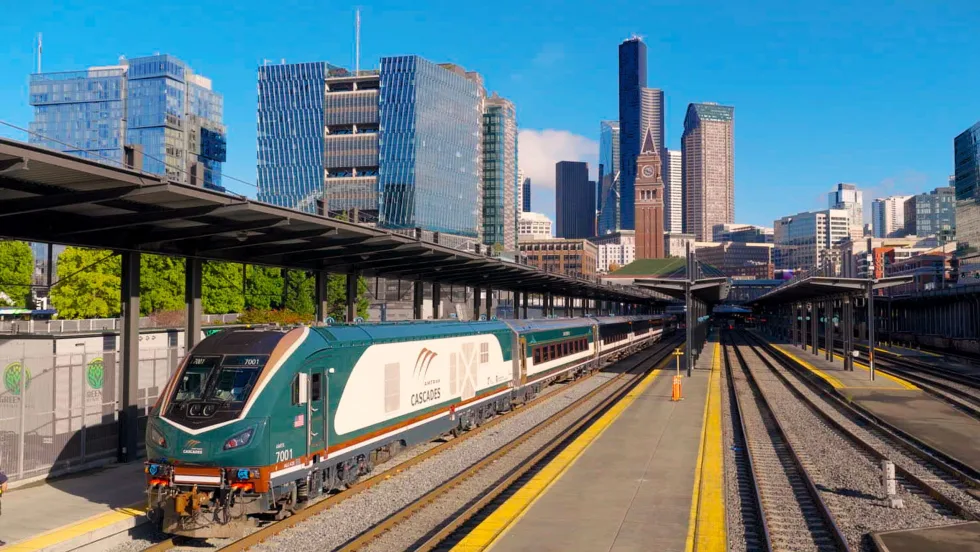
Airo Trains Make Their Amtrak Cascades Debut in the Pacific Northwest
Effective immediately, two cutting-edge Airo trainsets will join the Amtrak Cascades route, operating four daily trips between Vancouver, B.C., Seattle, Portland, and Eugene, Oregon, marking the first introduction of Airo trains into passenger service anywhere in the country.
Read More →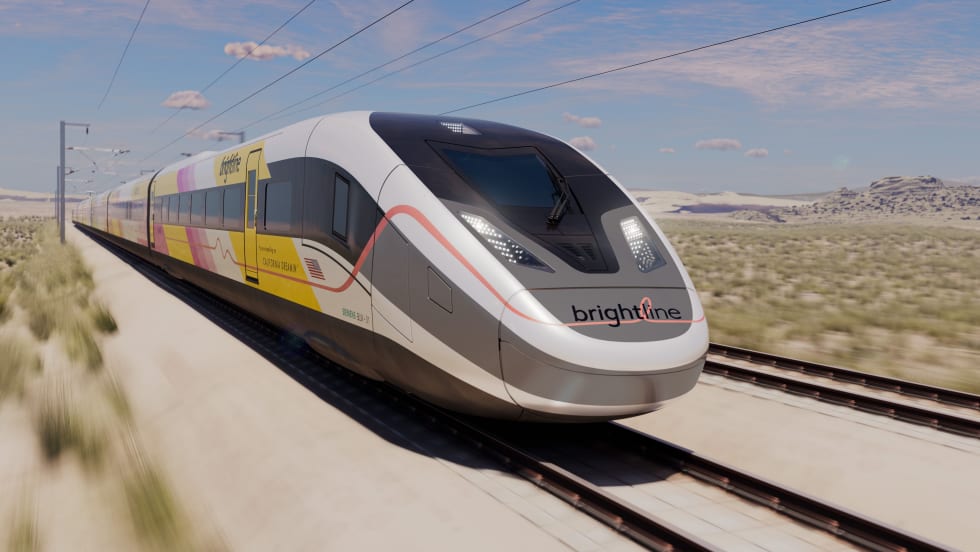
Florida's Brightline Announces Financial Restructuring
Brightline Florida says train operations will continue as normal as certain parent entities enter Chapter 11 and financial stakeholders provide $490 million in new long-term capital.
Read More →
ENC Lands MATA Contract and More in Biz Briefs
In this edition of Biz Briefs, we spotlight the latest developments shaping the future of mobility.
Read More →
Strada360’s Steve Lassey on Turning Transit Data Into Better Decisions
From breaking down data silos to preparing for AI, Strada360 CEO Steve Lassey discusses how transit agencies can use technology to improve operations, customer information, and long-term decision-making.
Read More →
SEPTA Details Accelerate Vision for Transit System
The plan outlines investments in trolley modernization, new Metro and Regional Rail vehicles, accessible stations, and more frequent bus and rail service.
Read More →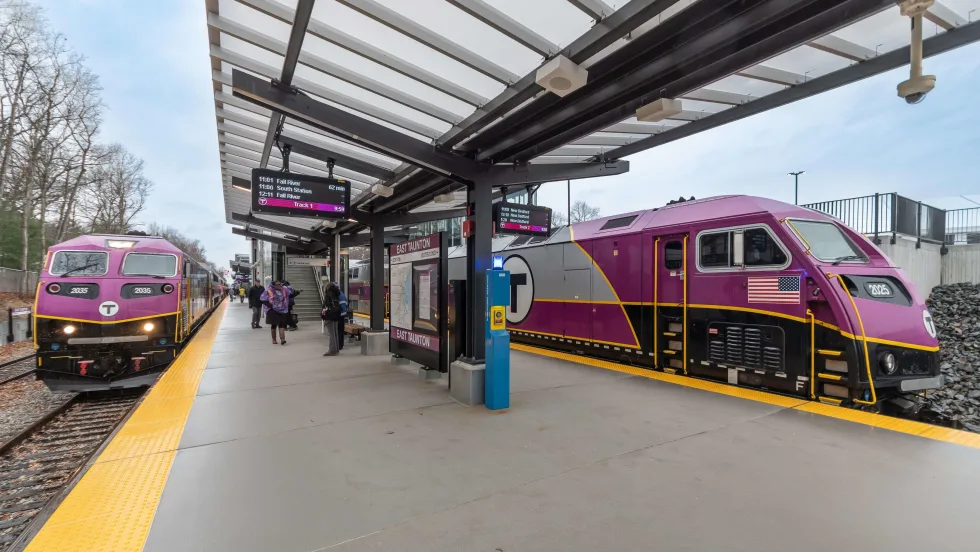
FTA Ends Direct Oversight of MBTA Safety Actions
The federal agency closed its remaining special directive to the Massachusetts Department of Public Utilities following a safety review that began in 2022.
Read More →
Amtrak, CN Reach Agreements to Strengthen Passenger Rail Service, Safety
The agreement resolves a more than decade-long proceeding before the Surface Transportation Board concerning the terms and conditions for Amtrak services, such as the City of New Orleans, Illini/Saluki, and Wolverine.
Read More →
New York MTA Advances Final Contract for Second Avenue Subway Expansion
Contract Four is the largest in the Second Avenue Subway Phase 2 project and includes construction of station infrastructure, tracks, and signals for the subway expansion, MTA officials said. Work on Contract Four will begin in 2027.
Read More →