




Looking Back: DRPA/PATCO, TotalEnergies Partner on Solar-Powered High-Speed Rail
PATCO Announces Phased Overnight Weekday Service Changes
Service suspensions target low ridership hours to improve PATCO’s safety, maintenance, and station conditions.
June 27, 2025
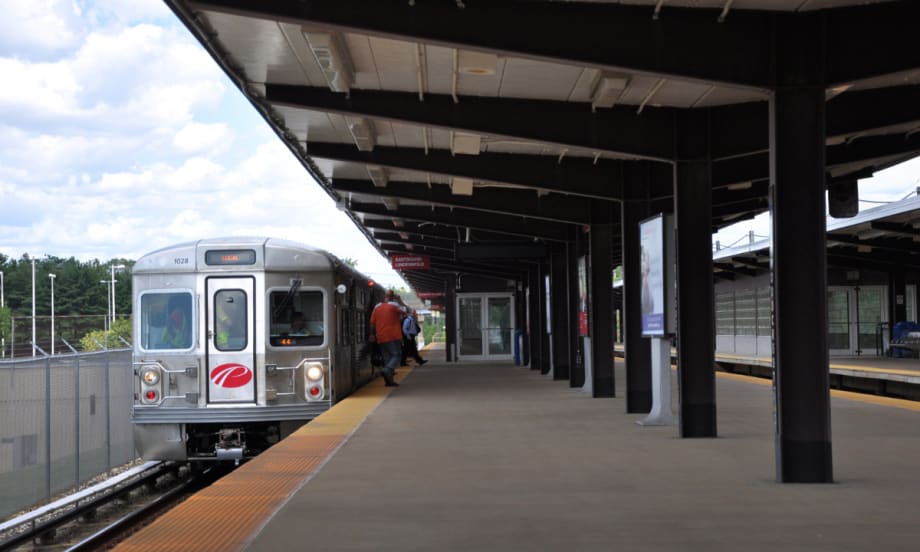
Impacts will be seen on the weekday owl service only, PATCO’s overnight service period from 12:00 a.m. to 4:30 a.m., when ridership is extremely low, averaging approximately 25 riders per hour across the system.
Photo: DRPA / PATCO
3 min to read
Port Authority Transit Corp. (PATCO) will implement a phased rollout of temporary overnight weekday service changes beginning Monday, July 14. The changes are designed to address safety and cleanliness concerns, improve conditions for staff, and provide a better overall experience for transit riders.
Impacts will be seen on the weekday owl service only, PATCO’s overnight service period from 12:00 a.m. to 4:30 a.m., when ridership is extremely low, averaging approximately 25 riders per hour across the system.
“On behalf of the Board of Commissioners, I want to thank Mayor Parker and the City of Philadelphia for their strong partnership and steadfast commitment to public safety,” said James D. Schultz, Delaware River Port Authority (DRPA)/PATCO board chairman. “This collaborative effort with DRPA and PATCO has been instrumental in increasing the safety and security of our employees and customers. Together, we are taking meaningful steps to enhance safety, improve system cleanliness, and ensure PATCO remains a dependable and secure transit option for the communities we serve.”
The weekday overnight service changes will allow for necessary cleaning and maintenance across PATCO and the City of Philadelphia-owned areas of the stations in Center City. As part of this effort, the concourse levels in Philadelphia will also be closed overnight.
“I want to personally recognize and thank the dedicated men and women of PATCO and our Public Safety Department who show up every day — and every night—with a shared commitment to keeping our system safe, secure, and clean. Their efforts are the backbone of our operation, and their pride in service is reflected in every station and on every train. We are grateful for all they do to support our riders and uphold the standards our communities deserve,” said John Rink, PATCO General Manager.
Suspended Overnight Weekday Service in Two-Phase Maintenance Plan
The changes will be implemented in two phases to provide riders with ample notice and time to adjust travel plans while allowing PATCO to coordinate operational changes for a smooth transition.
Phase One: Includes changes to train frequency and overnight station availability. During weekday owl service hours, trains will operate every two hours, resulting in two fewer trains running each night. In addition, select stations will temporarily close, and others will reopen on a rotating two-week basis to allow for focused cleaning, maintenance, and safety operations.
Phase Two: Includes a complete suspension of overnight weekday service. All PATCO trains will stop running, and all stations will be closed during owl hours. This phase marks the start of a temporary six-month pilot program designed to create consistent overnight windows for deep cleaning, maintenance, and public safety operations across the system.
“The City’s Office of Public Safety worked in a coordinated fashion with our partners at DRPA/PATCO and other key City departments to facilitate this much-needed maintenance project,” said Philadelphia Chief Public Safety Director Adam Geer. “Our work encompasses enhancing safety for residents, commuters, and visitors, so bringing all parties to the table for one of our city’s major transportation providers was a clear opportunity to ensure those using this resource feel secure and valued. When our Mayor says, ‘one Philly – a united city,’ this type of intergovernmental work is exactly what she’s talking about.”
“I want to extend my sincere thanks to Chairman Schultz, Vice Chairman Nash, Commissioner Deon, and Commissioner Garrity for their steady leadership and support throughout this entire process,” said John T. Hanson, DRPA CEO and PATCO president. “I am equally grateful to our dedicated staff, whose hard work and professionalism have been essential to planning and implementing these necessary changes. With the continued support of our Board and the City of Philadelphia, we are taking responsible, coordinated steps to ensure PATCO remains a well-maintained and reliable system today and for years to come.”
More Rail

New York MTA Advances Final Contract for Second Avenue Subway Expansion
Contract Four is the largest in the Second Avenue Subway Phase 2 project and includes construction of station infrastructure, tracks, and signals for the subway expansion, MTA officials said. Work on Contract Four will begin in 2027.
Read More →
San Diego MTS Breaks Monthly Trolley Ridership Record
Agency officials said July’s ridership indicates MTS’s continued recovery from the pandemic.
Read More →
Report Examines NJ TRANSIT Reliability, Funding Challenges
The Garden State Initiative analysis examines the roles of Amtrak infrastructure, fleet management, and agency operations while recommending a more performance-based approach to improving reliability.
Read More →
Stadler, CapMetro Sign Long-Term Rail Fleet Support Agreement
Beginning in 2027, Stadler will provide on-site technical expertise, spare parts support, training, and obsolescence management to help extend the reliability and longevity of CapMetro’s GTW fleet.
Read More →
Biz Briefs: Alstom Lands Canadian Contract, LYT to Supply California TSP, and More
In METRO's latest installment, we take a look at recent news from Complete Coach Works, Beep, FlixBus, and more partnerships making headlines across the transportation sector.
Read More →
CATS Gold Line Marks 5 Years of Service, 2.8M Passenger Trips
With a six-mile expansion planned, the Charlotte streetcar is positioned to connect more neighborhoods and major transit hubs across the region.
Read More →
Why Simulating Pedestrian Movement Has Become Essential for Modern Rail Stations
Pedestrian microsimulation is helping rail planners identify bottlenecks, test station designs, and prepare complex transit hubs for growing passenger volumes.
Read More →
Amtrak Begins Major Construction at New York’s Sunnyside Yard
The new maintenance facility will support Amtrak’s Airo trainsets while improving maintenance efficiency and turnaround times in New York.
Read More →
Chicago Leaders Unveil Plans for O’Hare Airport Express Train
The privately developed project would offer a 15-minute trip between downtown and O’Hare’s Terminal 2, with trains operating every 15 minutes on a dedicated track. The service would use battery-electric trains and three existing freight rail rights-of-way.
Read More →
OCTA Maps Out 30-Year Strategy to Protect Coastal Rail Corridor
The draft feasibility report identifies strategies to protect the coastal rail line for decades as the agency continues near-term stabilization and sand placement efforts.
Read More →