




Keep Reading: Maryland Unveils Ambitious MARC Growth, Transformation Plan
Maryland Transit Administration Launches New Customer Experience Action Plan
Maryland’s Customer Experience Plan outlines systemwide upgrades shaped by rider feedback to enhance transit reliability and experience.
July 22, 2025
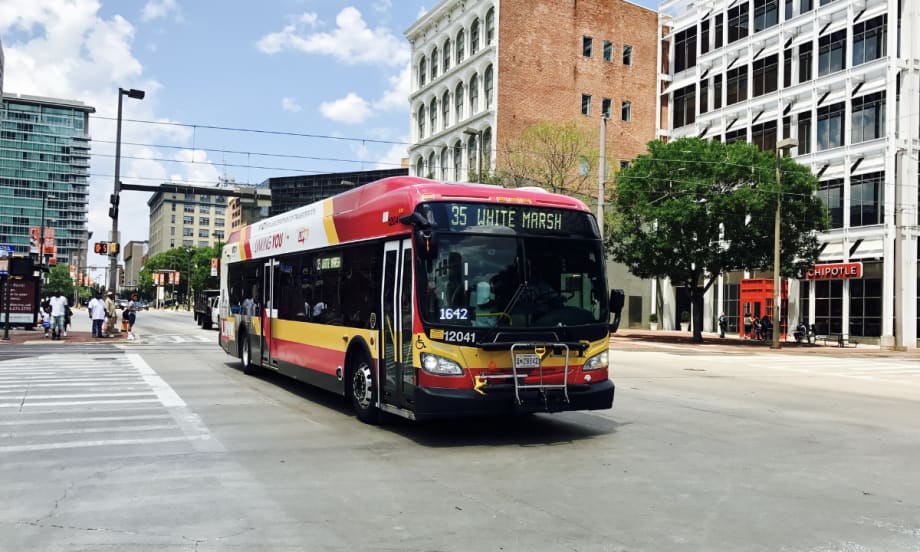
The Maryland Transit Administration's Office of Customer Experience developed the CX Plan to elevate rider satisfaction systemwide.
Photo: Maryland Transit Administration
2 min to read
An inaugural Customer Experience (CX) Action Plan is coming to the Maryland Department of Transportation's Maryland Transit Administration. The initiative is designed to improve the public transit experience across the system.
The plan, shaped by thousands of riders, stakeholders, and advocates, outlines a clear set of actions to be implemented over the next year to improve service reliability, communication, accessibility, cleanliness, and safety systemwide.
“Riders will always be at the center of everything we do,” said Maryland Transit Administration Chief Customer Experience Officer Michael Helta. “This plan is our commitment to listening to our riders and making transit more welcoming and reliable for everyone in the region.”
Improving Transit Journeys With a Rider-Centered CX Plan
The CX Plan was developed by the agency’s Office of Customer Experience, a department created in 2024 to help elevate the rider experience on and off the bus or train and at each stage of a rider’s journey.
In addition to these enhancements, Governor Wes Moore’s investment in transportation will enable the agency to advance state-of-good-repair investments across the system to improve reliability, expand access, and enhance rider safety.
Highlights of the CX plan include:
Service Reliability: Improve on-time performance and fleet availability to deliver expected service levels.
Safety: Implement additional protocols to ensure riders feel secure while traveling on the system.
Improved Accessibility: Enhance how riders can access schedules, navigate stations, and contact the agency.
Transit App Interface: Improve communication of the app’s functionality, features, and benefits.
Communication: Improve communication on service disruptions, implement user-friendly digital signage, and improve wayfinding at stations and stops.
Cleanliness and Comfort: Increase vehicle cleaning schedules and develop a mechanism for rider reporting of concerns.
Fare Collection: Simplify fare payment options and improve access for low-income riders.
Rider Engagement: Continue engagement to ensure ongoing dialogue between the agency and our riders.
According to an agency release, the Office of Customer Experience and the Rider Experience Team will continue to engage riders and incorporate their feedback to guide ongoing improvements. The CX Action Plan will be reviewed and refined annually to reflect progress and introduce new initiatives that respond to the evolving needs of our riders.
More Management

Utilimarc Launches SmartReplace to Optimize Fleet Replacement Decisions
AI-powered SmartReplace helps fleets prioritize vehicle replacements, model budget scenarios, and build more defensible long-term strategies.
Read More →
APTA Honors 2026 Award Winners, Hall of Fame Inductees at TRANSform & EXPO
Innovations in autonomous and zero-emission transportation, standout transit systems, and industry leadership took center stage among this year's honorees.
Read More →
7 Ways to Build a Better Transit Internship Program
Lessons from DRPA/PATCO’s approach to creating a meaningful internship experience—and developing the next generation of transportation professionals.
Read More →
Scenes from APTA TRANSform & EXPO 2026
Transit leaders, manufacturers, and industry professionals gathered in Chicago to explore new technologies, share ideas, and discuss the future of public transportation.
Read More →
Building Stronger Leaders, More Resilient Transit Teams
Dr. Carol Parker Walsh discusses leadership development, employee retention, workplace culture, and preparing transit’s workforce for AI and automation.
Read More →
APTA 2026 TRANSform & EXPO Kicks Off in Chicago
After 45 years, APTA returns to Chicago with a focus on next-generation fleets, AI, connected transit networks, and the funding strategies shaping public transportation’s future.
Read More →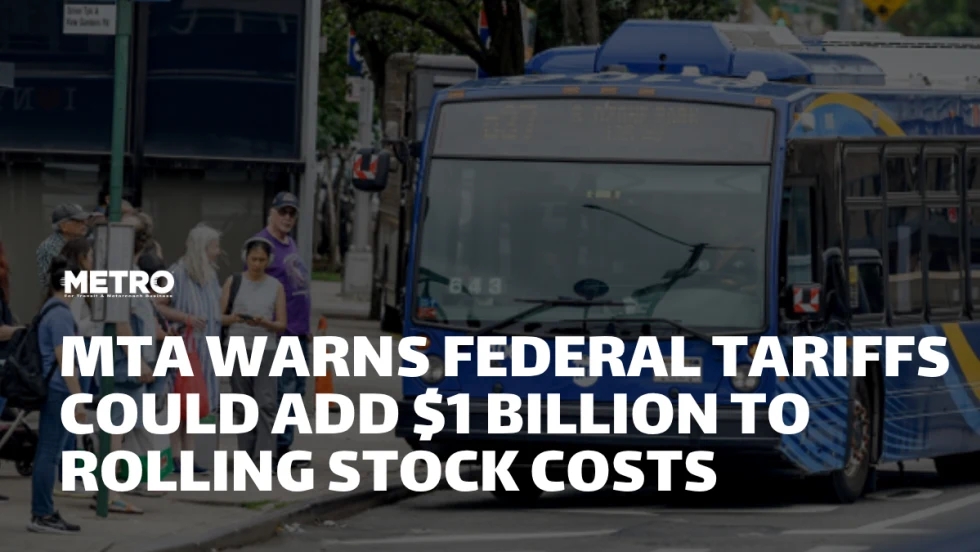
New York MTA Warns Federal Tariffs Could Add $1 Billion to Rolling Stock Costs
The agency said tariffs on specialized imported components could reduce the purchasing power of its $23 billion investment in new subway cars, railcars, and buses.
Read More →
From the Show Floor: What Happened at APTA TRANSform & EXPO 2026
See the latest product launches, partnerships, technology updates, and transit industry announcements from APTA TRANSform & EXPO in Chicago.
Read More →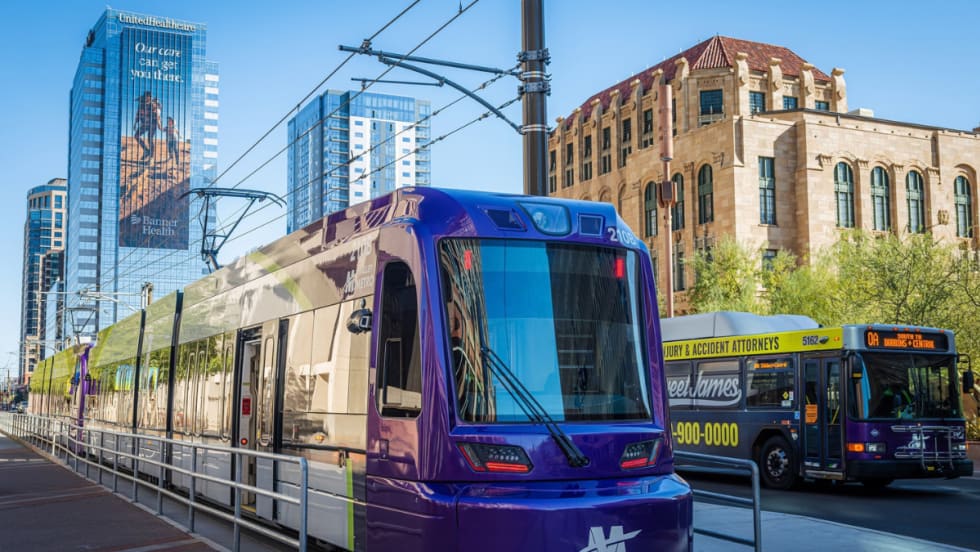
How Valley Metro Is Balancing Transit Growth With the Rider Experience
The APTA award-winning agency is pairing rapid system expansion with investments in workforce, safety, technology, and the fundamentals of transit service.
Read More →
Bus Tech Talk: Keeping Transit Technicians Ahead of the Technology Curve
In this episode of Bus Tech Talk, Complete Coach Works’ Business Development Manager Mark Hollenbeck and METRO’s Executive Editor Alex Roman sit down with Obed Mejia, Senior Technical Trainer for Bus Maintenance, at LA Metro to discuss how rapidly evolving bus technology is changing the maintenance shop — and the skills technicians need to keep pace.
Read More →