



Maryland Transit Administration Unveils Ambitious BMORE BUS Plan
After extensive community engagement and data analysis, the new plan lays out a bold vision centered on improving service frequency, expanding network reach, and investing in long-term transit infrastructure.

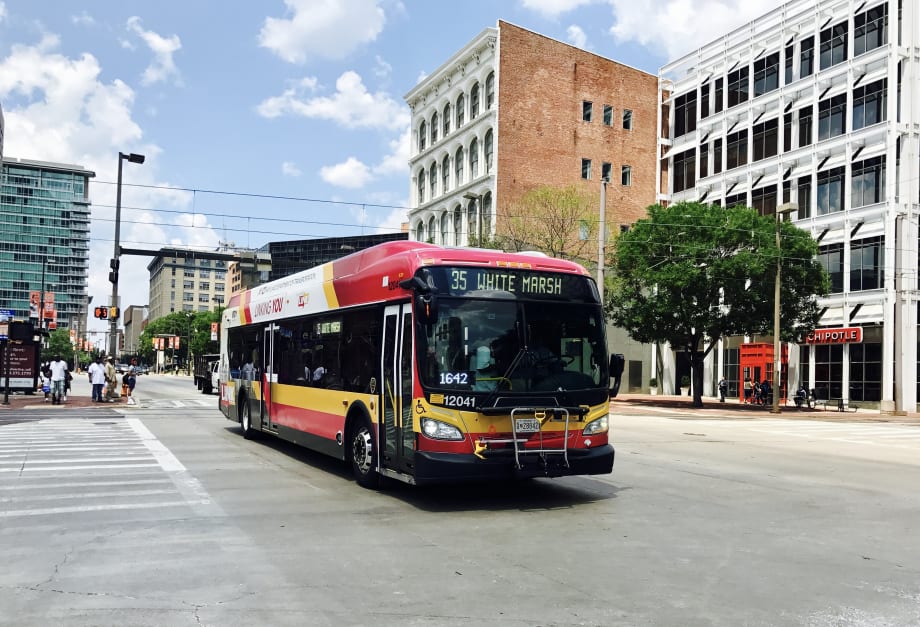
The BMORE BUS plan reflects feedback from nearly 1,000 public comments and a wide range of community engagement sessions.
Photo: MDOT MTA
The Maryland Department of Transportation, Maryland Transit Administration (MDOT MTA), released the BMORE BUS plan, a comprehensive roadmap for transforming and modernizing bus service throughout the Baltimore region.
After extensive community engagement and data analysis, the new plan lays out a bold vision centered on improving service frequency, expanding network reach, and investing in long-term transit infrastructure.
“The bus is the workhorse of MTA's transit system and currently carries more than double the number of riders of all of the agency's other modes combined,” said Maryland Transportation Secretary Paul J. Wiedefeld. “This plan serves as a guide for future improvements, and thanks to additional transportation revenues, MDOT is making historic investments in transit to improve the system further.”
Community-Informed Planning
The BMORE BUS plan reflects feedback from nearly 1,000 public comments and a wide range of community engagement sessions.
During the outreach process, enhanced service frequency emerged as the top priority for current riders and non-riders.
In response, the plan proposes:
A minimum service standard of 30-minute headways or better across the network.
Increased frequency on weekdays, weekends, and overnight service.
Expansion of 15-minute or less service on more routes.
New and extended bus routes.
Introduction of on-demand microtransit options.
“Fast, frequent, and reliable service is at the core of what riders want from their bus system,” said Maryland Transit Administrator Holly Arnold. “We are committed to the most satisfactory rider experience possible and advocating at every level for the resources we need to achieve this vision.”
Backed by New Investments
Thanks to Gov. Wes Moore’s transportation funding initiatives, MDOT and MTA are prioritizing state-of-good-repair projects and investments in aging infrastructure. The budget also allocates resources for hiring additional operators, which is critical for improving service reliability and enabling future service expansion.
The plan also calls for constructing a fifth bus division facility, essential for housing and maintaining an expanded fleet.
While full implementation of the BMORE BUS network is contingent on additional funding, incremental improvements are expected to begin through MDOT MTA’s annual service planning process.
The agency will continue to collaborate with stakeholders, riders, and elected officials to advocate for the resources needed to realize the full vision.
The MDOT MTA said BMORE BUS sets the stage for a more equitable, accessible, and efficient transit future in Central Maryland. It is a strategic step toward closing service gaps, addressing reliability concerns, and delivering a transit system that meets the diverse needs of the Baltimore region.
More Bus

More Than a Summer Job: Building the Next Generation of Transit Talent
The Delaware River Port Authority and PATCO have transformed their internship program into a hands-on professional development experience that introduces students to the breadth of transportation careers — and creates a pipeline for future employees.
Read More →
LA Metro Board Awards 220 Battery-Electric Bus Contract to ENC
The contract, which is the largest base award of battery-electric buses by a U.S. transit agency, will be built in Southern California, sustaining good jobs as LA prepares to welcome the world in 2028
Read More →
Public Transit Conference Returning to GFX in 2027, Call for Papers Now Open
The Call for Papers is now open, allowing transit agency professionals and industry experts to help shape the PTC educational program by submitting session ideas for consideration.
Read More →
Indian River Transit’s Community-Focused Approach Earns National Recognition
Named APTA’s 2026 Outstanding Public Transportation System in its size category, Florida’s Indian River County transit system continues to grow ridership through fare-free service and a focus on evolving community needs.
Read More →
ENC Lands MATA Contract and More in Biz Briefs
In this edition of Biz Briefs, we spotlight the latest developments shaping the future of mobility.
Read More →
From Surviving to Thriving: Building Stronger Transportation Organizations
Bus Business Consultants founder Brian Dickson shares lessons on leadership, organizational health, and creating options for long-term success in a changing transportation industry.
Read More →
Everett Transit, Community Transit Outline Consolidation Agreement
The proposed agreement calls for a 50% increase in bus service in Everett, a new microtransit zone, continued paratransit service, and the transfer of Everett Transit operations to Community Transit.
Read More →
SEPTA Details Accelerate Vision for Transit System
The plan outlines investments in trolley modernization, new Metro and Regional Rail vehicles, accessible stations, and more frequent bus and rail service.
Read More →
Report: Transit Bus Manufacturing Supports 34,100 Jobs, $5.1B in GDP
The “Buses Mean Business” report examines the transit bus manufacturing industry’s economic footprint, supply chain, and rising demand for vehicle replacements.
Read More →
Biz Briefs: New Flyer Delivers in Columbus, Houston, Beep and Freebee Merge, and More
In this edition of Biz Briefs, we spotlight the latest developments shaping the future of mobility.
Read More →