



New York MTA Strikes Deal for Second Avenue Subway Phase 2 Tunneling
The $1.97 billion contract will extend the Q train to 125 Street, bringing long-promised subway access to East Harlem by 2032.

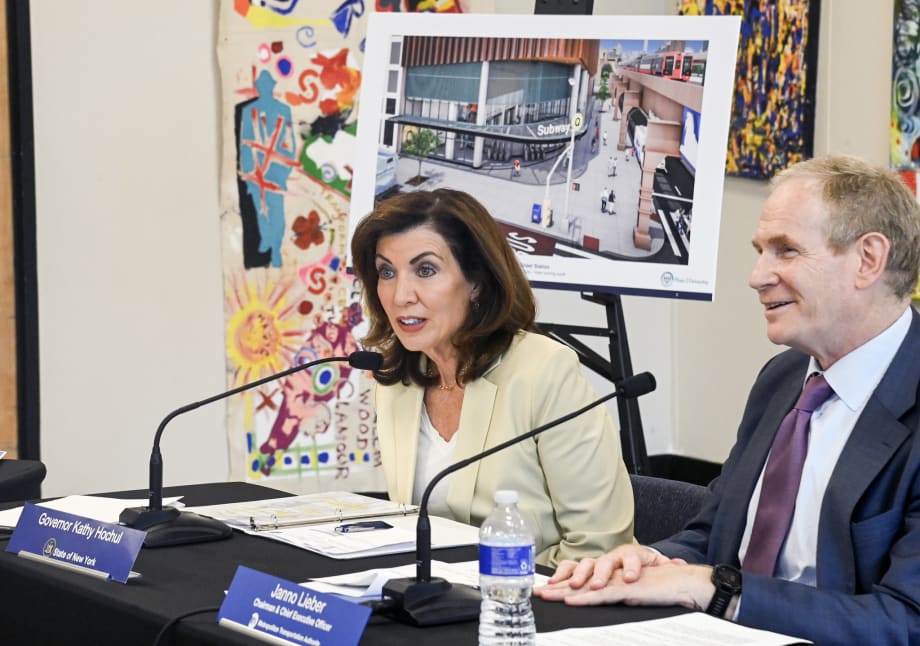
New York Governor Kathy Hochul and MTA Chair and CEO Janno Lieber announce the approval for the tunnel-boring contract for Phase 2 of the Second Avenue Subway.
Photo: MTA
New York Governor Kathy Hochul recently announced that the Metropolitan Transportation Authority (MTA) Board has approved the tunnel-boring contract for Phase 2 of the Second Avenue Subway, the project extending the Q train from 96 Street to 125 Street that will deliver new transit access to East Harlem residents.
The new tunnel will extend from 116 Street to 125 Street. Crews under this contract will also excavate space for the future 125 Street Station, and in a cost-containment measure that saves the MTA $500 million, will outfit the tunnel along the route that was built in the 1970s to accommodate the future 116 Street Station.
Early work will commence later this year, with heavy civil construction starting in early 2026 and the tunnel boring itself expected to begin in 2027.
"It's been a century since the people of East Harlem were promised the new subway they deserve — and we are finally getting it done," Governor Hochul said. "East Harlem is one of the most transit-reliant neighborhoods in New York, but every day, tens of thousands of commuters lack subway access."
"The Second Avenue Subway will change everything; it will shorten commutes for over 100,000 daily riders and make East Harlem more vibrant than ever," Governor Hochul added.
According to an agency release, the contract, valued at $1.972 billion, is being awarded to Connect Plus Partners, a joint venture between Halmar International and FCC Construction. It is the second of four construction contracts for the Q train extension.
Second Avenue Subway Phase 2 Moves Forward With Record Contract
Despite New York City's high construction costs, the Second Avenue Subway Phase 2's cost-benefit is significant and is projected to have the lowest cost per rider of any active heavy rail project in the country.
"This is a meaningful step forward not only for the project but for everyone in East Harlem and Central Harlem," MTA Chair and CEO Janno Lieber said in a release. "Thanks to investments from Governor Hochul and our partners in Washington, today the new MTA is moving forward with the largest tunneling contract in agency history, but – more important – with a project that pencils at the lowest cost per rider of any heavy rail project in America."
The line's first construction contract was awarded in January 2024 for utility relocation work. Crews working under that contract are relocating underground utilities from 105 Street to 110 Street on Second Avenue at the site of the future 106 Street Station, in order to facilitate the subsequent construction of the station.
Crews working under the third contract will build the underground space for the future station at 106 Street and Second Avenue. That contract is currently in procurement. The fourth and final contract will cover the fit-out of the three stations, at 106, 116, and 125 Streets, and the systems needed to run train service, such as track, signal, power, and communications. This contract is currently in design.
Second Avenue Subway Phase 2 is on schedule with a revenue service date of September 2032. The project budget is $6.99 billion and is funded in part by revenues from the Congestion Relief Zone tolling program.
In 2023, the MTA unveiled new conceptual renderings of the proposed stations for the extension, providing future riders with a glimpse into the potential station interior and exterior designs.
"After generations of promises, the new MTA is delivering," MTA Construction and Development President Jamie Torres-Springer said in a release. "Today's contract award brings us closer to world-class transit service in East Harlem. Using lessons learned from Phase 1, we're excited to keep our momentum going and complete this contract better, faster, and cheaper than ever."
More Management
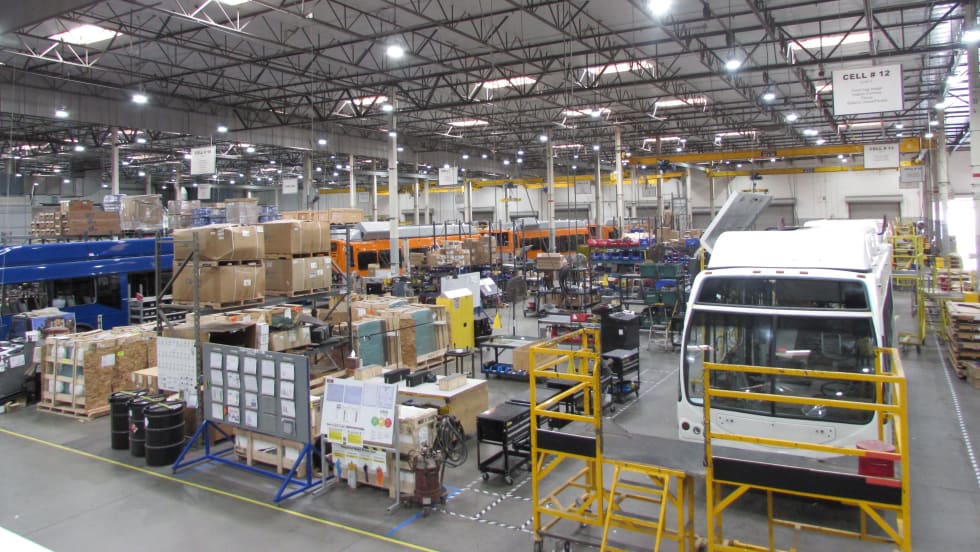
LA Metro Board Approves 220 Battery-Electric Bus Contract to ENC
The contract, which is the largest base award of battery-electric buses by a U.S. transit agency, will be built in Southern California, sustaining good jobs as LA prepares to welcome the world in 2028
Read More →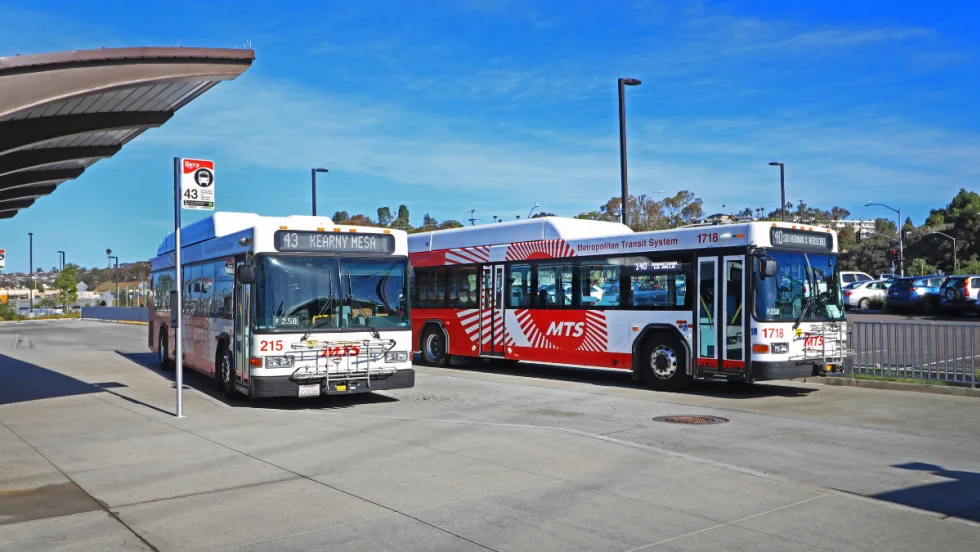
What’s Behind San Diego MTS’s Award-Winning Transit Strategy
Named one of APTA’s 2026 Outstanding Public Transportation Systems with 50 million or more annual passenger trips, California’s San Diego Metropolitan Transit System points to gains in ridership, safety, technology, and reliability as foundations of its success.
Read More →
Public Transit Conference Returning to GFX in 2027, Call for Papers Now Open
The Call for Papers is now open, allowing transit agency professionals and industry experts to help shape the PTC educational program by submitting session ideas for consideration.
Read More →
Indian River Transit’s Community-Focused Approach Earns National Recognition
Named APTA’s 2026 Outstanding Public Transportation System in its size category, Florida’s Indian River County transit system continues to grow ridership through fare-free service and a focus on evolving community needs.
Read More →
ENC Lands MATA Contract and More in Biz Briefs
In this edition of Biz Briefs, we spotlight the latest developments shaping the future of mobility.
Read More →
From Surviving to Thriving: Building Stronger Transportation Organizations
Bus Business Consultants founder Brian Dickson shares lessons on leadership, organizational health, and creating options for long-term success in a changing transportation industry.
Read More →
Everett Transit, Community Transit Outline Consolidation Agreement
The proposed agreement calls for a 50% increase in bus service in Everett, a new microtransit zone, continued paratransit service, and the transfer of Everett Transit operations to Community Transit.
Read More →
Strada360’s Steve Lassey on Turning Transit Data Into Better Decisions
From breaking down data silos to preparing for AI, Strada360 CEO Steve Lassey discusses how transit agencies can use technology to improve operations, customer information, and long-term decision-making.
Read More →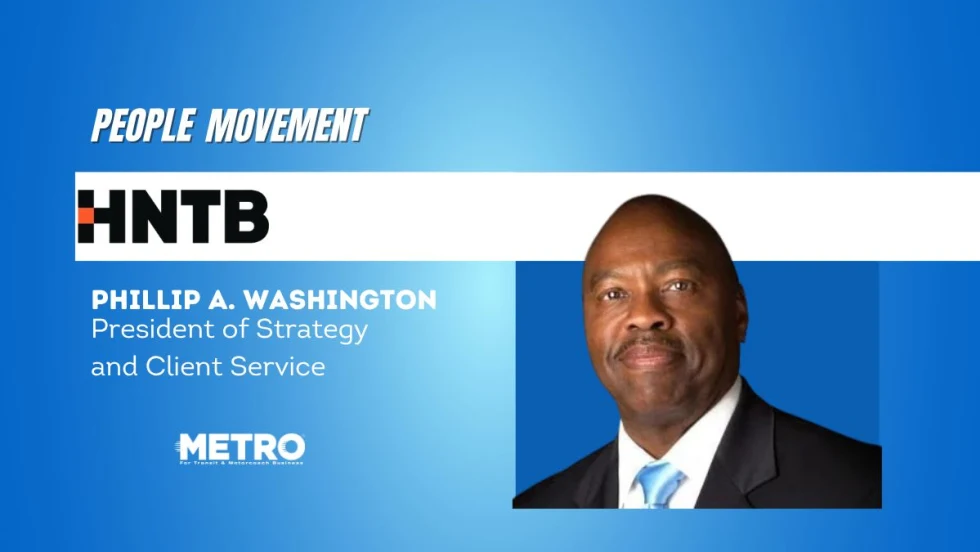
People Movement: Phil Washington Joins HNTB, Denver RTD Launches CEO Search, and More
In this edition, we also spotlight recent personnel moves at STV, the Eno Center for Transportation, and more, highlighting the people taking on new roles across the transportation industry.
Read More →
SEPTA Details Accelerate Vision for Transit System
The plan outlines investments in trolley modernization, new Metro and Regional Rail vehicles, accessible stations, and more frequent bus and rail service.
Read More →