



MTA Reports Safest July in NYC Transit's History
NYPD statistics show robberies are down 16.7%, felony assaults down 9.3%, and grand larcenies down 6%. Notably, there were no burglaries the entire month of July.

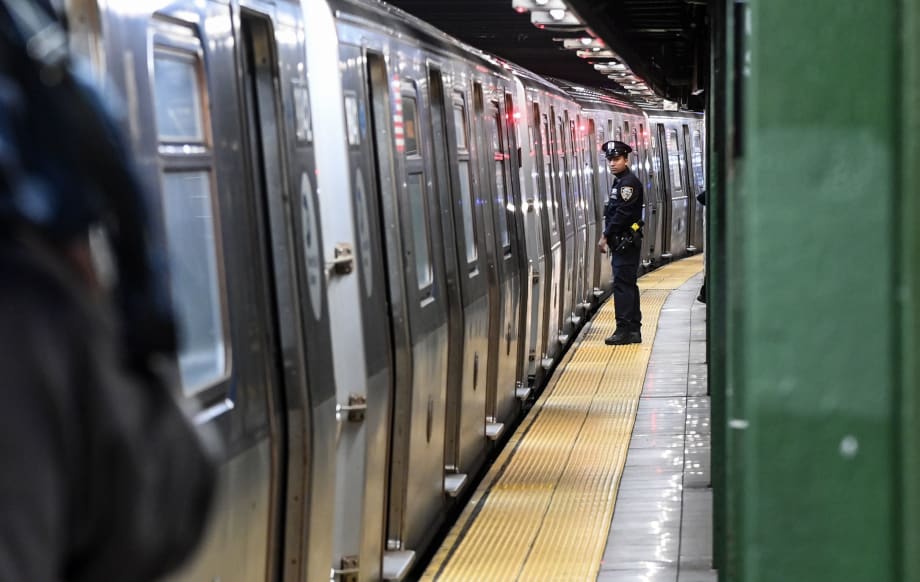
The improvements come more than a year after Gov. Kathy Hochul and the MTA unveiled a Five Point Plan for Subway Safety, which included increasing police presence in stations and on platforms, installing security cameras in every subway car, and more.
Photo: MTA/New York City Transit
The Metropolitan Transportation Authority (MTA) announced that July 2025 was the safest in recorded history for the New York City Transit subway system, with an 8% drop in overall major felony crimes compared to July 2024.
NYPD statistics show robberies are down 16.7%, felony assaults down 9.3%, and grand larcenies down 6%. Notably, there were no burglaries the entire month of July.
Meanwhile, average ridership has also increased from 3,441,771 in July 2024 to 3,857,298 in July 2025. There was less than one crime per million riders committed in the subway system in July 2025, MTA officials said.
“It’s clear that efforts to increase overnight patrols, deploy thousands more security cameras, and expand mental health outreach are having real positive impacts,” said MTA Chair/CEO Janno Lieber. “By working closely with Governor Hochul and the NYPD, we’re making sure the transit system not only is safe but feels safe for our six million daily riders.”
Seeing Results
The improvements come more than a year after Gov. Kathy Hochul and the MTA unveiled a Five Point Plan for Subway Safety, which included increasing police presence in stations and on platforms, installing security cameras in every subway car, implementing bag checks, and deploying SCOUT homeless outreach teams to connect individuals with severe mental illness to treatment and supportive housing, among other initiatives.
Recent security measures also include the expansion of overnight patrols to place two uniformed police officers on board every subway train from 9 p.m. to 5 a.m.; the ongoing installation of protective barriers on platforms; upgrading fare gates and delaying egress at emergency exits to help crack down on fare evasion; and adding LED lighting throughout the system to increase visibility.
Since Jan. 1, 2025, the MTA has installed more than 200 additional cameras across 40 subway stations. LED lights have been installed in a total of 362 stations, with all 472 stations expected to be converted by the end of this year.
Additionally, platform barriers have been installed at 65 stations with the MTA on track to install platform barriers at 100 subway stations across Brooklyn, Manhattan, Queens, and the Bronx by the end of 2025.
More Security and Safety

Public Transit Conference Returning to GFX in 2027, Call for Papers Now Open
The Call for Papers is now open, allowing transit agency professionals and industry experts to help shape the PTC educational program by submitting session ideas for consideration.
Read More →
Safe Transit Act Proposes New Security Requirements for Federal Transit Funding
Proposed legislation would link federal transit dollars to safety measures while requiring security investments, onboard cameras, and new fare collection standards.
Read More →
FTA Ends Direct Oversight of MBTA Safety Actions
The federal agency closed its remaining special directive to the Massachusetts Department of Public Utilities following a safety review that began in 2022.
Read More →
Transit Agencies Highlight Safety Gains at National Summit
Leaders from 15 major transit systems shared crime-reduction results and safety initiatives while discussing the role of continued federal support.
Read More →
DART Launches Major Security, Fare Enforcement Initiative
The 90-day demonstration will deploy coordinated security teams at five light rail stations while testing controlled access and gathering data to guide future investments.
Read More →
RTD Launches NextRide App to Consolidate Trip Planning, Fares, Security Reporting
The app expands on RTD’s existing NextRide web application and allows customers to view real-time vehicle locations and service alerts, purchase and store digital fares, and access customer support.
Read More →
TAPTCO Updates OSHA Compliance Training for Transit Maintenance Operations
The revamped program addresses 26 OSHA standards for maintenance facilities, with TAPTCO pointing to training, documentation, and everyday shop hazards as continuing challenges for transit operations.
Read More →
FRA Announces $5.3B in Rail Investments, Including $2B for Amtrak
Funding will support grade-crossing improvements, infrastructure upgrades, and new Amtrak equipment in 23 states.
Read More →
Chicago, Maryland Expand Non-Law-Enforcement Safety, Rider Support
The CTA and MTA are launching new programs aimed at de-escalation, crisis response, rider assistance, and greater transparency.
Read More →
LA Metro, City of West Hollywood, and Partners Advance Smarter Bus Lane Enforcement
The award-winning partnership combines AI-powered detection with human oversight to improve bus reliability, accessibility, and enforcement efficiency.
Read More →