




Looking Back: Gatekeeper Announces New Acquisition, SEPTA Contract
Gatekeeper Becomes OEM Transit Video Provider to Alstom, SEPTA Streetcar Project Moves Forward
Gatekeeper's transit video systems will be factory-installed on Alstom's new Citadis streetcars, supporting SEPTA's modernization of Philadelphia's trolley network.
October 8, 2025
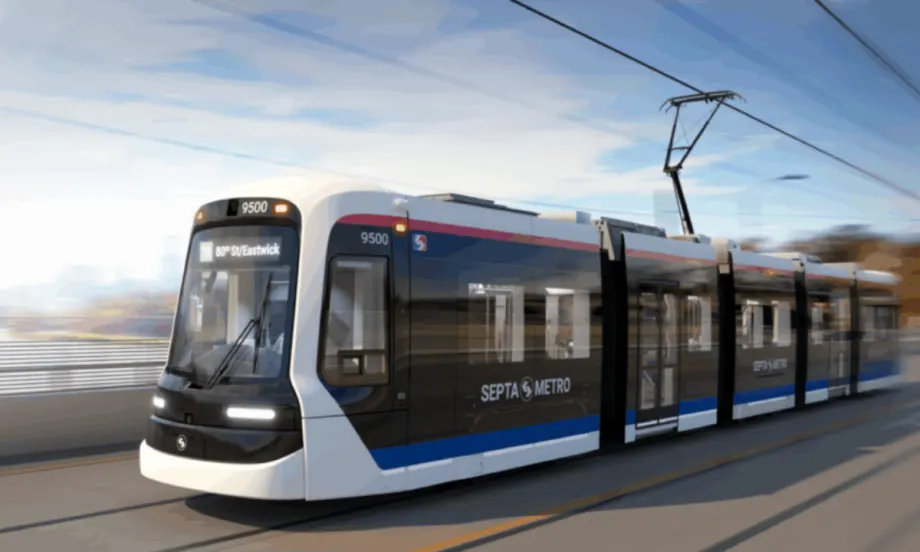
A rendering of Alstom's next-generation Citadis streetcar, part of SEPTA's Trolley Modernization Program, which will feature Gatekeeper's onboard video technology.
Source: Alstom/SEPTA
2 min to read
Gatekeeper Systems recently announced that it has become an OEM provider of transit video and data solutions to Alstom, a provider of rail transport systems, and has secured its first contract with the company.
Gatekeeper has entered into an initial contract with Alstom to serve as the OEM provider for factory-installed transit video solutions for the Southeastern Pennsylvania Transportation Authority (SEPTA) streetcar project.
Alstom has cited the SEPTA streetcar project as a strategic project that will introduce the new Citadis light rail range to North America and serve as a blueprint for future opportunities in the region. The initial contract is valued at approximately $5.4 million.
"We are very pleased to become an OEM supplier to Alstom, one of the world's largest and most prestigious train manufacturers," said Doug Dyment, Gatekeeper's president and CEO. "The SEPTA streetcar project is a new strategic initiative that is setting a new standard for modern urban mobility in North America, and we are delighted to be the video solutions provider."
Alstom's Citadis Fleet Nears Design Completion
Alstom has announced that the SEPTA streetcar project will deliver 130 full low-floor electric streetcars, with options to build an additional 30 streetcars. The current trolleys operating in Philadelphia are Kawasaki cars from the 1980s, which need to be replaced with more accessible vehicles.
According to a company release, the next-generation Citadis light rail vehicles (LRVs) are specifically designed for North America, made to navigate the historic streets of Philadelphia, and are fully ADA-compliant.
The new Citadis streetcars will provide an energy-efficient mobility solution that uses traction technology, offering a 20% reduction in energy consumption compared to a standard light rail solution.
Otherwise known as the trolley modernization program, this phased project, according to Alstom, is managed by SEPTA and includes "the construction of new platforms, improved signage for accessibility, the replacement of the existing trolley poles with modern catenaries, and new maintenance facilities."
Although the notice to proceed was first signed in May 2023, the project has reached a point where a "majority of supplier contracts have been signed and are two-thirds of the way through the design phase," with a final design review scheduled for the fall of 2025.
Once the review is complete, Alstom will be ready to begin manufacturing the new streetcards at its Hornell facility in 2026.
More Management

Bringing Austin’s First Light Rail System to Life
Austin Transit Partnership CEO Greg Canally discusses the city's nearly 10-mile light rail project, its collaborative approach to project delivery, the importance of community engagement, and the milestones ahead as construction approaches in 2027.
Read More →
ETA CEO John Maglio on Transit Technology, Innovation, and Building Agency Trust
ETA founder and CEO John Maglio explores the evolution of transit technology, the importance of reliable systems, and how stronger partnerships can help agencies improve operations and the passenger experience.
Read More →
Metra Draft Plan Outlines Costs, Service Improvements for Regional Rail
The Systemwide Network Plan identifies infrastructure needs and potential investments to expand all-day, bidirectional rail service across the Chicago region.
Read More →
New Orleans RTA Names Augustine III as New CEO
In this edition, we also spotlight recent personnel moves at HDR, PATH, STV, and more, highlighting the people taking on new roles across the transportation industry.
Read More →
How Transit Agencies Are Using Free Rides to Improve Voting Access
Transit agencies are using fare-free service, trip-planning tools, and targeted rides to improve voting access. See what other agencies can learn from these efforts.
Read More →
Caltrain’s Electrification Drives a New Era of Ridership Growth
The railroad’s shift to electric service has brought more frequent trains, stronger customer satisfaction, and increased ridership, earning it APTA’s Outstanding Public Transportation System award.
Read More →
Chicago, Charlotte Transit Agencies Expand Rider Support Programs
CTA launched crisis intervention teams as CATS prepares to deploy fare ambassadors, expanding customer assistance and security efforts across both systems.
Read More →
New York MTA Launches Historic $1.9B Signal, Track Modernization Project
Funded in part by congestion pricing revenue, the project will replace nearly century-old signals along the A and C lines in Brooklyn and Queens.
Read More →
Brian Dickson on Building Stronger, More Resilient Transportation Organizations
Bus Business Consultants Founder Brian Dickson discusses the leadership principles, operational discipline, and strategic planning that separate transportation companies positioned for long-term success from those stuck in survival mode.
Read More →
LA Metro Breaks Ground on Vermont BRT Project
The 12.4-mile corridor is projected to serve 66,200 daily riders, reduce travel times by up to 24%, and create the nation's busiest bus rapid transit corridor.
Read More →