



Study finds philanthropists, nonprofits exclude people with disabilities
RespectAbility surveyed 969 people who work at nonprofits and foundations, conducted focus groups, and spoke one-on-one with 14 executives.


Nearly three-quarters (72%) of people who work in the social sector say their organizations have made a public commitment to Diversity, Equity, and Inclusion (DEI) and have policies that prohibit their groups from denying people with disabilities equal opportunity to participate in services and activities. Yet, a new study shows that even among this very well-intentioned group, most foundations and nonprofits aren’t doing enough — if anything — to enable people with disabilities to have the access and accommodations they need to fully participate in the good these groups are doing.
The study, “Disability in Philanthropy & Nonprofits: A Study on the Inclusion and Exclusion of the 1-in-5 People Who Live with a Disability and What You Can Do to Make Things Better” by RespectAbility, a nonpartisan group working on inclusion efforts for people with disabilities, surveyed 969 people who work at nonprofits and foundations, conducted five focus groups, and spoke one-on-one with 14 executives at philanthropy-serving organizations.
To read the full report, click here.
“Philanthropy-serving organizations don’t know what they don’t know and often haven’t even thought about including people with disabilities,” said Jennifer Laszlo Mizrahi, president of RespectAbility. “Even among well-meaning groups who are engaged in a lot on racial and gender equity overall, disability is missing.”
For example:
Only 14% say their organizations use video captions to ensure people who are deaf or hard of hearing can use the content. Captioning services are easy to use and often free and yet 86% are not even attempting to take advantage of such tools.
Similarly, just 30% of respondents say their organizations enable people with disabilities to request accommodations like sign language interpreters on event registration forms. Asking about accommodations sends a clear signal that people with disabilities are welcome and that inclusion is a consideration, yet 70% say their organizations do not make this effort.
In addition, only 59% say their events always are held in physically accessible spaces.
What keeps these seemingly supportive and innovative organizations from doing even the bare minimum? According to the survey, bias is the top reason, cited by more than one-third (36%) of respondents themselves. Whether overt or implicit, prejudice against people with disabilities is a significant barrier to meaningful inclusion efforts. Additionally, few in positions of power are specifically asking that organizations make including people with disabilities a priority. This means funders and others in leadership positions are not requiring or even suggesting that attention be paid to disability inclusion.
The study also sheds light on what is working in the social sector. Specifically, having a DEI policy that calls out disability as an area of focus, and including people with disabilities in board, leadership, and/or staff positions, makes a big difference. Whether the policies come before the practice or vice versa is not clear from the data, but the correlation is unmistakable. By every measure, groups that are explicit about disability inclusion as a priority and groups with disability representation within their ranks are more likely to be taking action.
However, some nonprofits are starting to hire people with disabilities.
In 2017, 826,824 workers with disabilities had jobs with nonprofit organizations.
The disability employment rate among nonprofit employers increased from 8.9% to 9.1% between 2016 and 2017.
There were about 33,922 new nonprofit jobs for people with disabilities in 2017. (Roughly 30% of new jobs for PWDs overall).
More Paratransit
New York MTA Leverages Zoning Program to Advance Station Accessibility
Accessibility enhancements at Nevins St Station will be financed through a development agreement tied to the MTA's Zoning for Accessibility initiative.
Read More →
Reinventing Fleet Maintenance with Real-time Visibility and AI
Transit leaders need to know what needs fixing, where to look, who is responsible, when work is completed, and what it costs without having to chase information across disconnected systems.
Read More →
SamTrans Sets Priorities for Potential Connect Bay Area Revenue
The board-approved framework allocates future funding to maintaining service, rider improvements, equity initiatives, and infrastructure repairs.
Read More →
Chicago's NITA Act Moves Into Next Phase as Service Improvements Begin
Rider-focused improvements will begin rolling out across the system immediately as CTA, Metra, and Pace increase service this summer in the six-county region.
Read More →
2026 METRO Buyer’s Guide & Directory
Searching for the right vehicles, technology, equipment, or services for your public transit or motorcoach operation? This industry guide brings together manufacturers and suppliers from across the transportation market — all in one place. Download it to connect with the companies that help agencies and operators improve mobility, enhance operations, and move their organizations forward.
Read More →
Rays the Mark Foundation to Honor CDTA’s Emily DeVito at October Fundraiser
Event at Chicago-area Ravisloe Country Club will support DeVito, a transit employee and mother of twins battling kidney failure and awaiting a transplant.
Read More →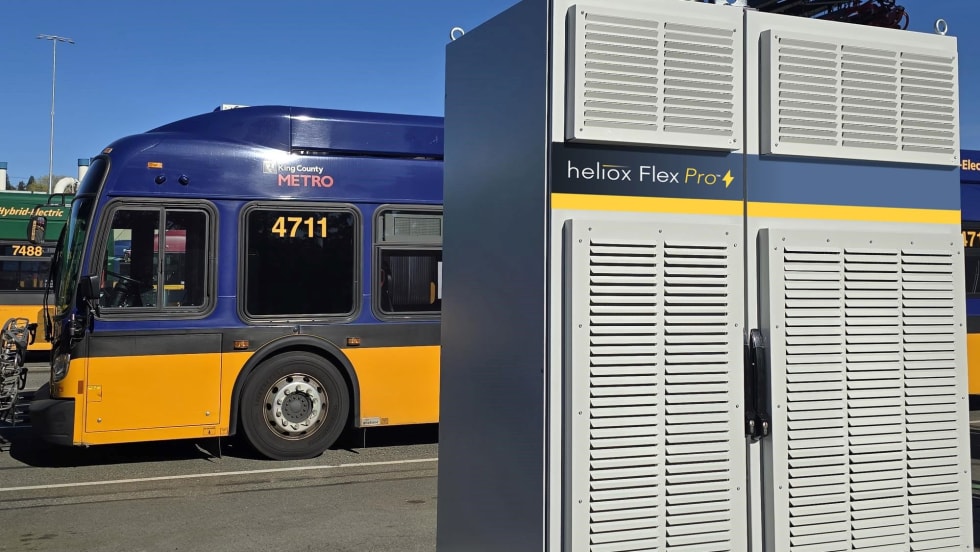
King County Test Heliox Chargers, Keolis Lands California Contract Top Biz Briefs
Stay informed with these quick takes on the projects and companies driving progress across the transportation landscape.
Read More →
Spare Expands AI-Native Operations Platform With Fixed-Route Capabilities
The launch marks a major milestone in Spare’s vision for unified transit operations.
Read More →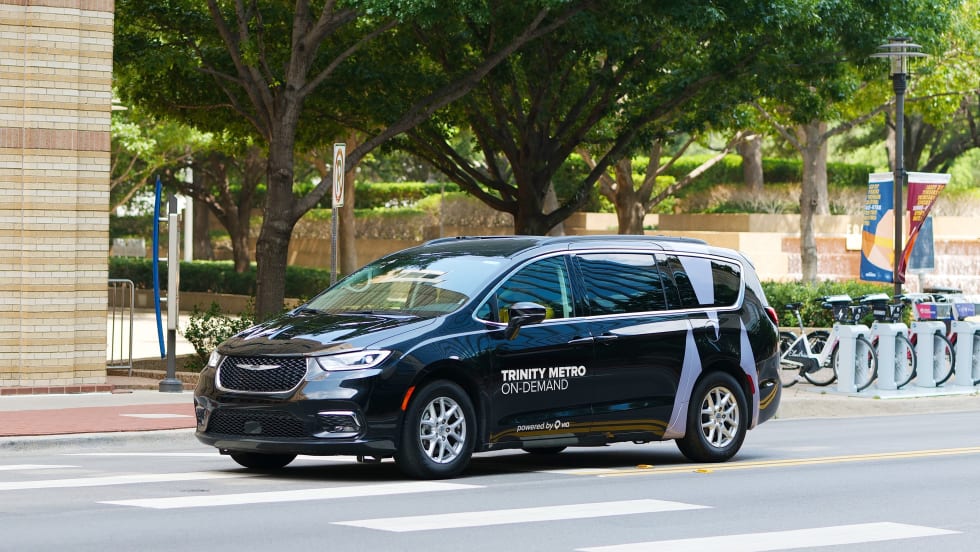
Via Announces Scheduling and Supply Studio
The Scheduling and Supply Studio provides the world’s first fully integrated platform for optimizing vehicle and driver availability to rider demand, said company officials.
Read More →
Boston's MBTA Completes Latest Green Line Work
The work took place during 12 consecutive days of shuttle bus service replacement between Kenmore and Cleveland Circle.
Read More →