



Benefits will be Crucial in Addressing the Transportation Sector’s Growing Labor Needs
Data from the U.S. Bureau of Labor Statistics underscores this two-fold challenge. By 2033, the country is projected to see 1.9 million job openings in transportation and material-moving occupations, a figure higher than the average across all industries.
To increase employment interest in the transportation industries, organizations must explore how to make transportation roles more appealing to younger workers.
Photo: METRO
- The transportation sector faces a significant labor challenge, with 1.9 million job openings expected by 2033.
- This projected demand exceeds the average job openings across all U.S. industries.
- Strategic benefits will be important in recruiting and retaining a skilled workforce in transportation.
*Summarized by AI
Whether managing a few buses in a rural town or overseeing the subway lines of a major metro, transportation organizations across the U.S. rely on a stable workforce to keep their communities moving forward. That’s why a looming labor shortage is concerning — more roles need to be filled, yet interest in these positions isn’t currently set to meet future demand.
Data from the U.S. Bureau of Labor Statistics underscores this two-fold challenge. By 2033, the country is projected to see 1.9 million job openings in transportation and material-moving occupations, a figure higher than the average across all industries.
Meanwhile, the average age of an employee in bus services and urban transit is now 51.8 years — nearly a decade older than the median age of a US employee. This aging workforce, combined with expansions in bus and rail systems, will soon put added strain on transportation needs.
In fact, according to Purchasing Power’s Public Sector Financial Wellness Survey, 47% of public sector employees reported that their organization had already been affected by a labor shortage in the past year.
To increase employment interest in the transportation industries, organizations must explore how to make transportation roles more appealing to younger workers. Expanded benefits and financial wellness programs could play an essential role in reshaping perceptions of these jobs.
Consider these findings from Purchasing Power’s survey.
Employees Want Time, Not Just Money
While salary remains a top priority for public sector employees when considering a career change, a higher paycheck and intangibles also matter. Take a look at the key responses surfaced from the survey:
- 81% of employees said a higher paycheck would encourage them to stay in the industry.
- Nearly half of respondents said having more control over their schedule would influence their decision.
- 51% reported being asked to perform multiple jobs at once, 37% cited growing responsibilities with less time to complete them.
- One in five employees said they were working extra hours for the same pay.
Although schedule flexibility isn’t always possible in a sector with shifts that span into the third shift, transportation organizations should evaluate whether they’ve streamlined shift-swapping and employee time off request processes.
Given that shifts fall outside of traditional work hours, employers should also prioritize mental health resources to help employees manage stress and prevent burnout.
Survey respondents also indicated they don’t have time to attend essential appointments or take a vacation. In instances where they have the opportunity to manage personal matters, they often feel guilty about requesting time off if no one is available to cover their shift.
Furthermore, burnout among transit drivers isn’t just an employee challenge; it’s a public safety concern. Drivers are responsible for themselves and other passengers on the road.
Excessive stress during work shifts can increase the risk of safety incidents. Eleven percent of public sector employees reported that labor shortages were increasing the likelihood of workplace injuries and accidents, making it critical to address the root causes of burnout.
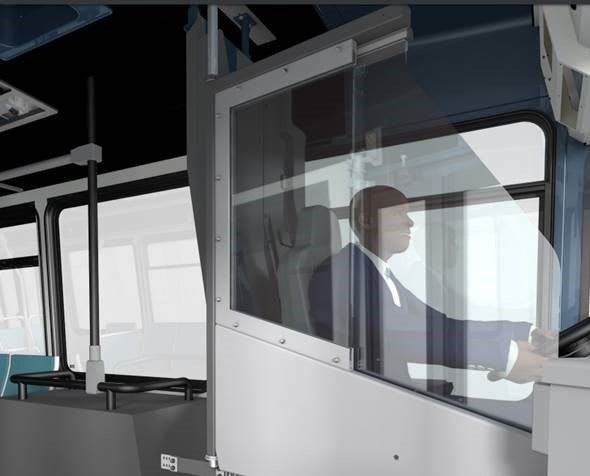
Although schedule flexibility isn’t always possible in a sector with shifts that span into the third shift, transportation organizations should evaluate whether they’ve streamlined shift-swapping and employee time off request processes.
Photo: PSTA
Traditional Benefits Don’t Always Solve Today’s Challenges
Compensation is more than just salary. Ninety percent of survey respondents said benefits are just as significant as their paycheck.
However, commonly offered benefits such as healthcare (83%) and long-term care (75%) may not directly address all employees’ most pressing concerns. A quarter of public sector workers expressed dissatisfaction with their current benefits offerings.
In addition to traditional benefits, transportation departments should consider options that help employees manage the lingering effects of inflation and unexpected expenses.
Only 22% of employees said their employer offers savings on products or services, a gap many want addressed. In particular, employees are seeking voluntary benefits that provide immediate financial relief when they require a product or service. When asked about desirable benefits, respondents ranked low-interest installment loans (25%), a student loan repayment program (20%), and earned wage access (19.5%) among their top choices.
Employees also expressed interest in programs that allow them to break up significant purchases into manageable payments. Eighteen percent said they’d value a medical deductible financing program. At the same time, 17% wanted an employee purchase program to help cover essential items — such as new tires or appliances — with a small monthly payment and without incurring heavy finance charges.
With 48% of public sector employees disclosing that they have less than $500 in savings and only 14% reporting that they have more than $5,000, these types of purchase programs can help ensure that an emergency expense doesn’t disrupt an employee's financial health.
Giving Employees Tools to Improve Their Financial Outlook
Debt assistance programs aren’t the only financial wellness benefits public sector employees seek.
Many are seeking resources to address both short-term needs and long-term economic stability, yet 66% reported that their employer isn’t actively engaged in improving their financial wellness. Only 39% reported access to budgeting tools, 34% had resources to assist with annual taxes, and just 26% had tools to help improve their credit scores.
Identifying a voluntary benefit that can offer immediate peace of mind while freeing up income that can be allocated toward other priorities, such as selecting a more comprehensive healthcare plan or maximizing employer-matched retirement contributions.
To identify the best fit for their workforce, employers should leverage existing partnerships to tailor the right benefits that meet the needs of employees.
For instance, hosting a webinar with a banking partner could highlight available savings benefits and practical financial planning tips. At the same time, connecting employees with a 401 (k) advisor can help them start contributing to their retirement fund strategically.
Finally, HR should be mindful of the stigma financial wellness conversations can carry.
Discussing financial challenges openly can be a challenge for employees, so employers should provide financial wellness resources throughout the year. For example, employers can provide an anonymous support line for employees to seek outside financial counseling or offer access to online financial literacy courses that employees can complete at their own pace.
Flexibility Must Be the Foundation of Benefits Programs
When implementing financial wellness benefits, employers must recognize that employees' needs are constantly evolving. Some individuals may face unexpected income loss due to a family emergency, while others may require support as they begin a family and search for childcare resources.
Employees frequently transition in and out of various financial situations, so benefits should encompass a broad spectrum of needs. Furthermore, promoting the availability of these benefits will be crucial to ensure that these options are utilized.
Employers can leverage online portals and internal communications, such as newsletters, to ensure employees are aware of their benefits.
Additionally, transportation HR teams should routinely assess whether their benefits programs align with employees’ evolving needs. For example, distributing an employee survey before benefit renewal periods can help identify which offerings should be expanded or replaced. Creating opportunities for employee feedback ensures that HR remains responsive to the workforce's priorities.
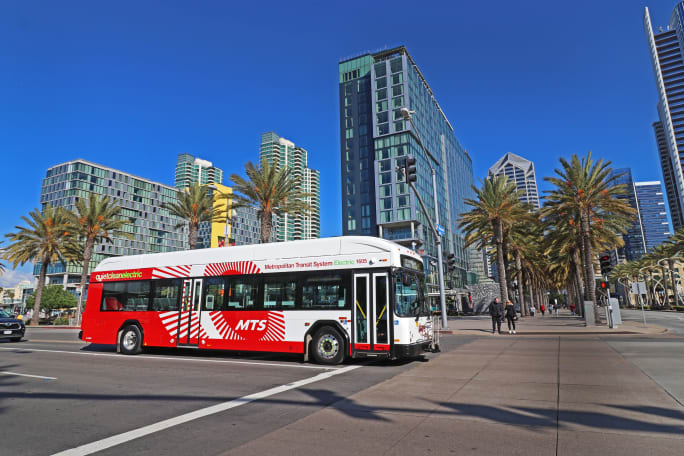
In addition to traditional benefits, transportation departments should consider options that help employees manage the lingering effects of inflation and unexpected expenses.
Photo: San Diego MTS
Preparing for Future Transportation Needs
It’s only a matter of time before transportation organizations feel the full impact of the labor shortage. An aging workforce and rising demands on transit networks present long-term challenges. However, leaders can take action now to reduce labor gaps and increase interest from new talent.
By offering benefits that support employees’ physical, mental, and financial well-being — from flexible scheduling and burnout prevention resources to financial education and payment programs — transportation HR teams can change perceptions of these careers and build a sustainable workforce for years to come.
About the Author: Jason Alberici is the Public Sector and Affinity Expert at Purchasing Power.
Quick Answers
The transportation sector is facing a labor shortage due to an increasing number of job openings, projected to reach 1.9 million by 2033, which is higher than the average across all industries.
*Summarized by AI
More Management

METRO Opens Submissions for 2026 Motorcoach Awards
Nominations are now being accepted for METRO Magazine’s Operator of the Year and Innovative Operator of the Year awards.
Read More →
New York MTA Advances Final Contract for Second Avenue Subway Expansion
Contract Four is the largest in the Second Avenue Subway Phase 2 project and includes construction of station infrastructure, tracks, and signals for the subway expansion, MTA officials said. Work on Contract Four will begin in 2027.
Read More →
Transit Agencies Highlight Safety Gains at National Summit
Leaders from 15 major transit systems shared crime-reduction results and safety initiatives while discussing the role of continued federal support.
Read More →

NITA Names New Leadership, Expands Reduced-Fare Program at First Board Meeting
The new regional transit authority appointed its first board chair and interim executive director while extending reduced fares across CTA, Metra, and Pace for eligible riders.
Read More →
Beyond the Checklist: A Structured Approach to Transit Maintenance
Reliability-Centered Maintenance helps transit agencies move beyond routine checklists to focus limited resources on the assets and failures that have the greatest impact on safety, reliability, and service.
Read More →
APTA 2026 Nominating Committee Selects Leadership Slate, Names Chair and Vice Chair Nominees
Leadership changes will help shape the association’s priorities and its representation of the transportation industry during the 2026–2027 term.
Read More →
DART Launches Major Security, Fare Enforcement Initiative
The 90-day demonstration will deploy coordinated security teams at five light rail stations while testing controlled access and gathering data to guide future investments.
Read More →
Advancing Fare Collection Through Technology and Innovation
Learn about delivering 1300 gates at 91 stations while managing fare evasion. Explore the large scale deployment, solution customization and real-world results that affect the region. Prepare for deployment in your region now.
Read More →
Game Day in Motion: Moving Millions During the 2026 World Cup
Between packed transit stations and team motorcoaches, see how agencies and operators across North America tackled the transportation demands of the 2026 FIFA World Cup.
Read More →
Surface Transportation Extension Averts Shutdown, Leaves Transit Funding Gap
The stopgap keeps federal transportation programs moving, but missing advance funding could complicate the transit and rail projects agencies are planning next.
Read More →