



Bombardier-Fluor team wins rail bid
The JetTrain, developed by Bombardier and the Federal Rail Administration, has been proposed for use in a high-speed rail project in Florida.

The Florida High Speed Rail Authority (FHSRA) has selected the team of Bombardier Transportation and the Fluor Corp. as its preferred bidder to design, build, operate, maintain and finance the first phase of the state’s high-speed rail network connecting Orlando and Tampa. The Bombardier-Fluor bid is a 50/50 joint venture, with Bombardier providing the trainset technology and Fluor providing its infrastructure development, management and financial expertise. According to Lecia Stewart, vice president of high-speed rail for Bombardier, the contract is worth $4.3 billion over 30 years. “The capital value is $2.6 billion and the value of the long-term contract for operations and maintenance is worth $1.7 billion,” she said. “That’s a huge contract.” For the project, Bombardier hopes to use its JetTrain, which is powered by a turbine diesel engine and can reach speeds of 150 mph. This option has at least one key advantage over electrification. “If you were to electrify that corridor, you add about $250 million to the cost,” Stewart said. “And it doesn’t produce any higher speeds for you.” Even if speeds above 150 mph could be obtained through electrification, it would cut only a few minutes from the trip, she added. However, the FHSRA was still considering an electrified rail system as it entered negotiations with Bombardier and Fluor. One board member said he was concerned about the environmental impact of the JetTrain’s diesel engine in terms of noise and emissions. Stewart said Bombardier, which manufactures high-speed electric trains for use in Europe and the Northeast Corridor in the U.S., has alternative proposals in the event that the authority wants to pursue electric trains. One of the options is double tracking the system and putting in the foundations for electrification. “In the event that the Miami-Orlando portion is approved at a later time, you would maybe benefit from the higher speeds [provided by an electric train],” Stewart said. The Bombardier-Fluor bid won out over the Global Rail Consortium, a South Korean-based partnership of nearly 30 companies. The consortium filed a formal protest about three weeks after the announcement was made in late October. Global representatives contend that “biased staff analysis” by the FHSRA led to an erroneous decision. “These are often anticipated actions, and the reality is that negotiations are underway between ourselves and the Florida High Speed Rail Authority,” Stewart said, adding that the first negotiating session went “very well.” Stewart believes the strength of the Bombardier-Fluor team’s financial plan may have tipped the scales in its favor. “It calls for the state of Florida to appropriate $75 million per year,” she explained. “But the net cost is really only $46 million because of the operating revenue returned to the state. So it’s a very innovative approach to the financing, development and operation of a high-speed system.” If the authority and the Bombardier-Fluor team reach a contract agreement by May 1, 2004, revenue service is expected to begin in December 2009. Estimated ridership is 4 million per year in 2012. Based on the fare schedule contained within the plan, one-way fares would be $35 to $40. Regular riders could qualify for a $16 one-way fare. Although Florida Gov. Jeb Bush and other state officials have opposed the high-speed rail project, Stewart said the Bombardier-Fluor plan addresses their concerns. “The No. 1 issue was at no time did they want the state on the hook for subsidizing operations, and our proposal has the private sector taking that risk,” she said. “They wanted to see real equity in the deal, and we have that.”
More Management

LA Metro Breaks Ground on Vermont BRT Project
The 12.4-mile corridor is projected to serve 66,200 daily riders, reduce travel times by up to 24%, and create the nation's busiest bus rapid transit corridor.
Read More →
Building Stronger Leaders, More Resilient Transit Teams
Dr. Carol Parker Walsh discusses leadership development, employee retention, workplace culture, and preparing transit’s workforce for AI and automation.
Read More →
Roman Cornell on ABC Companies’ Evolution and the Future of Passenger Transportation
The company’s CEO discusses carrying forward a third-generation family legacy, ABC’s continued evolution in passenger transportation, support for increasingly complex fleets, and how technology and continued investment could help operators improve uptime.
Read More →
CATS Launches West Charlotte Microtransit Zone, Expands Transit Services
The new microtransit zone connects residents to key destinations as Charlotte Area Transit System rolls out the first phase of its 2055 Transit System Plan.
Read More →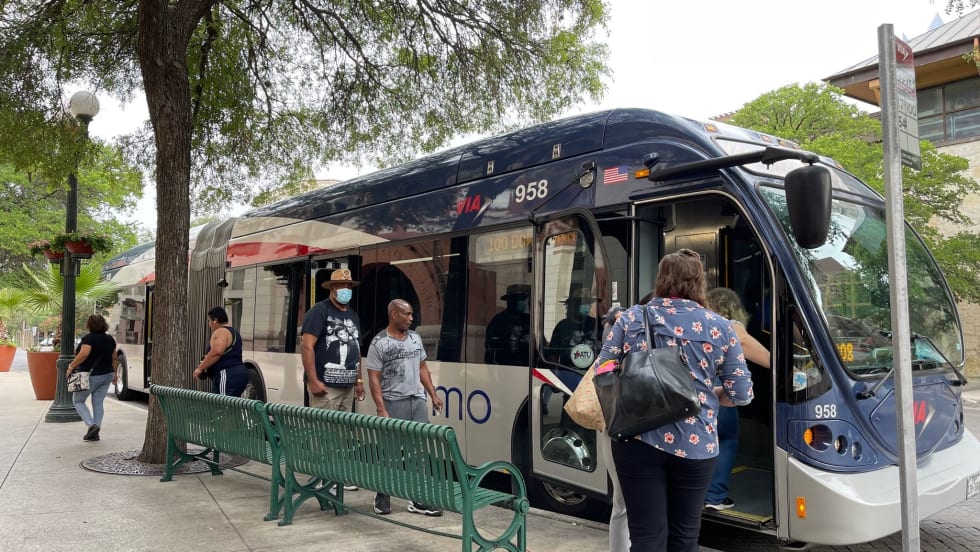
VIA Bus Ridership Grows 10.1% Through August 2026
San Antonio's VIA Metropolitan Transit reported the highest bus ridership growth among major Texas transit systems. Federal Transit Administration data ranked it second among the nation's 50 largest transit systems.
Read More →
CSA Group Releases Climate Resilience Standard for Transit, Passenger Rail
Developed with support from the Standards Council of Canada, CSA D700 guides assessing climate-related risks and planning adaptation measures for transit and passenger rail systems.
Read More →
ETA CEO John Maglio on Transit Technology, Innovation, and Building Agency Trust
ETA founder and CEO John Maglio explores the evolution of transit technology, the importance of reliable systems, and how stronger partnerships can help agencies improve operations and the passenger experience.
Read More →
COTA Launches First Customer Experience Action Plan to Improve Transit Service
The new plan outlines improvements to service reliability, accessibility, communication, and the overall rider experience across Central Ohio's transit system.
Read More →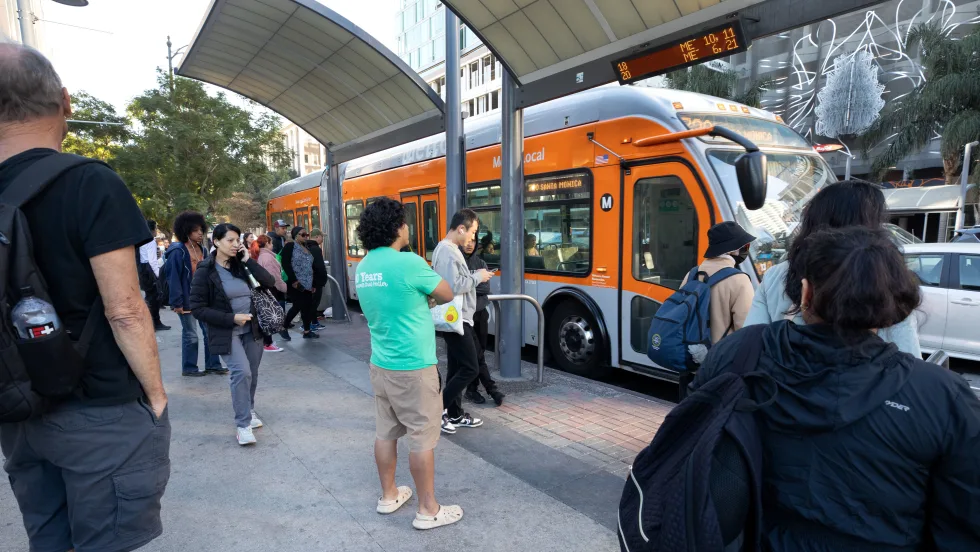
LA Metro September Ridership Climbs 3.9%, Led by Rail Growth
The agency recorded more than 27.2 million boardings, with rail ridership increasing 12.4% year over year and the D Line posting the largest gains.
Read More →
Utilimarc Launches SmartReplace to Optimize Fleet Replacement Decisions
AI-powered SmartReplace helps fleets prioritize vehicle replacements, model budget scenarios, and build more defensible long-term strategies.
Read More →