



Bus fires ignite discussion at APTA workshop
According to research, nearly a third of vehicle fires are due to electrical malfunction.

Stepping up vehicle inspections is key to bus fire prevention, according to presenters at a recent American Public Transportation Association (APTA) workshop on bus fires. The workshop, held in November in Anaheim, Calif., was part of APTA’s 2004 Bus Equipment and Maintenance/Procurement and Materials Management conference. During the session, panelists David Burnett, maintenance manager for the San Diego Transit Corp. (SDT); John L. Stratford, senior vice president for Transmatic Inc.; and Joseph Peoples, eastern regional sales manager for Kidde Dual Spectrum, discussed causes of bus fires and steps for prevention. SDT’s maintenance department stepped up its inspections as part of its new fire prevention plan. “Approximately 10% of the fleet is inspected each night, which includes checking brake pads and hoses,” Burnett said. SDT’s maintenance team identified 17 items for its fire safety inspection checklist. Training is given to identify signs of fluid leaks, and emphasis is placed on brake overhauls. “Buses without fire suppression systems are equipped with fire extinguishers in the driver’s compartment,” he said. In addition, SDT reduced time between steam cleaning of engines from 6,000 to 5,000 miles. “This year we implemented an aggressive team-driven PM program,” Burnett said. The program, which includes three mechanics and a dedicated foreman, takes a bus out of service until problems found during inspections are fixed. An estimated 15% to 35% of all vehicle fires are due to electrical malfunction, Transmatic’s Stratford said. Potential sources of electrical fires include the ignition system, battery cables, signage and lighting. Peoples discussed the importance of fire suppression systems. “These systems help drivers focus on passenger safety and not on the fire,” he said. Suppression systems can use carbon-dioxide foam, water, dry chemicals or a shutdown formula. Currently, there is no federal legislation requiring fire protection systems on buses, Peoples said.
More Management
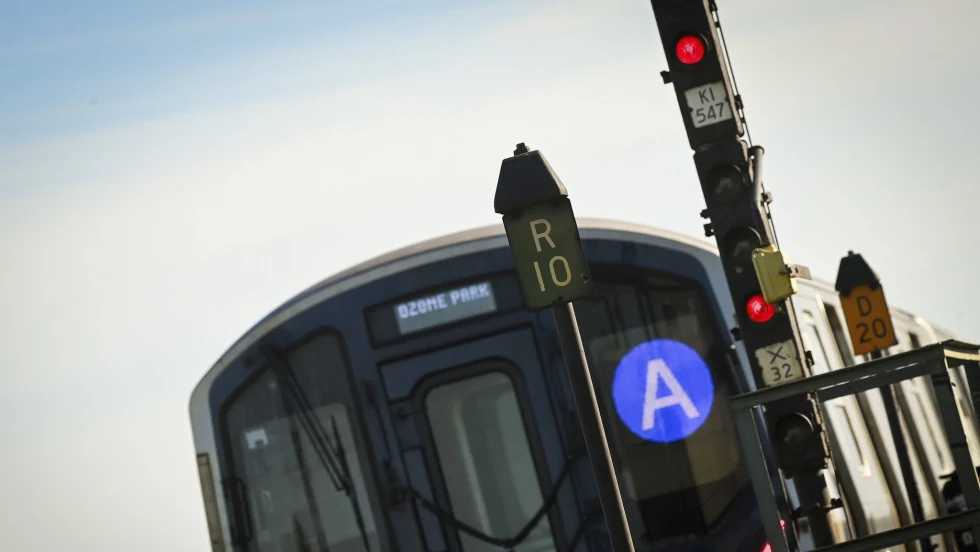
New York MTA Launches Historic $1.9B Signal, Track Modernization Project
Funded in part by congestion pricing revenue, the project will replace nearly century-old signals along the A and C lines in Brooklyn and Queens.
Read More →
Brian Dickson on Building Stronger, More Resilient Transportation Organizations
Bus Business Consultants Founder Brian Dickson discusses the leadership principles, operational discipline, and strategic planning that separate transportation companies positioned for long-term success from those stuck in survival mode.
Read More →
LA Metro Breaks Ground on Vermont BRT Project
The 12.4-mile corridor is projected to serve 66,200 daily riders, reduce travel times by up to 24%, and create the nation's busiest bus rapid transit corridor.
Read More →
Building Stronger Leaders, More Resilient Transit Teams
Dr. Carol Parker Walsh discusses leadership development, employee retention, workplace culture, and preparing transit’s workforce for AI and automation.
Read More →
Roman Cornell on ABC Companies’ Evolution and the Future of Passenger Transportation
The company’s CEO discusses carrying forward a third-generation family legacy, ABC’s continued evolution in passenger transportation, support for increasingly complex fleets, and how technology and continued investment could help operators improve uptime.
Read More →
CATS Launches West Charlotte Microtransit Zone, Expands Transit Services
The new microtransit zone connects residents to key destinations as Charlotte Area Transit System rolls out the first phase of its 2055 Transit System Plan.
Read More →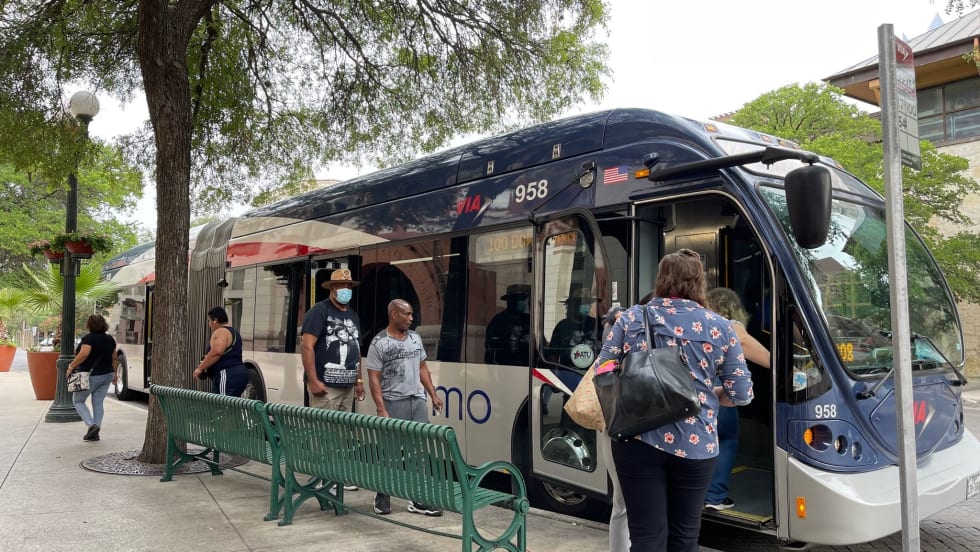
VIA Bus Ridership Grows 10.1% Through August 2026
San Antonio's VIA Metropolitan Transit reported the highest bus ridership growth among major Texas transit systems. Federal Transit Administration data ranked it second among the nation's 50 largest transit systems.
Read More →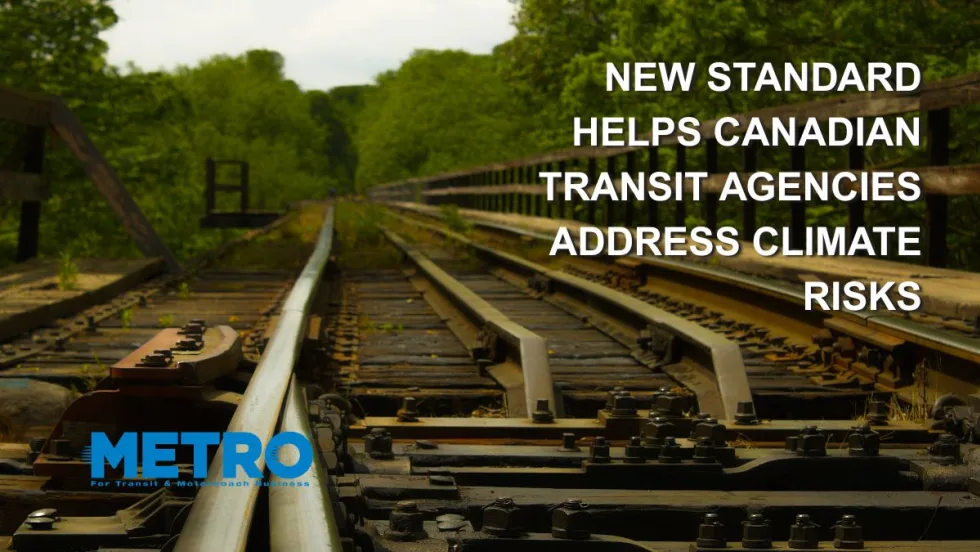
CSA Group Releases Climate Resilience Standard for Transit, Passenger Rail
Developed with support from the Standards Council of Canada, CSA D700 guides assessing climate-related risks and planning adaptation measures for transit and passenger rail systems.
Read More →
ETA CEO John Maglio on Transit Technology, Innovation, and Building Agency Trust
ETA founder and CEO John Maglio explores the evolution of transit technology, the importance of reliable systems, and how stronger partnerships can help agencies improve operations and the passenger experience.
Read More →
COTA Launches First Customer Experience Action Plan to Improve Transit Service
The new plan outlines improvements to service reliability, accessibility, communication, and the overall rider experience across Central Ohio's transit system.
Read More →