



Call center data mining solutions
Customer satisfaction can be improved with software analyzing customer complaints.
With the idea in mind that good customer service is essential, Edmonton Transit System (ETS) in Alberta conducts innovative, qualitative analyses of call center data to provide clarity on customer satisfaction trends. Examining all customer inquiries, good and bad, ETS uses the results of this research to both modify service and successfully market the changes. This process becomes a cycle after the impact of these changes is measured through further customer satisfaction research, and more changes are made.
The key resource for gauging customer satisfaction is the ETS Commendations and Concerns Tracking Information System (CACTIS), a database that receives, processes, classifies and stores a volume of 10,000 calls per year. Using qualitative data analysis software, ETS can produce reports from this large volume of data. Two recent case studies — one on rider-driver confrontations and one on driver performance — show the power of these analyses.
Resolving confrontations
When initial customer call research began in 2000, satisfaction levels among young riders were low. Reading through sample calls hinted that third party, non-riders often called on behalf of sons, daughters or other vulnerable passengers. Software searched across monthly batches of call data for records containing such keywords as “son” and “daughter” and confirmed the suspicion that a majority of calls were made by parents. Further analysis showed that most of the calls defined by call-center staff as “confrontational” resulted from young people having disputes over fares and other policies.
The results of this CACTIS analysis suggested that fare-related confrontations be a top priority for service improvements. Also, ETS developed a new, consistent fare-evasion policy and promoted it with the Canadian Urban Transit Association‘s award-winning Fare-is-Fair campaign. These actions led to a dramatic increase in customer satisfaction with the way operators handle confrontations.
Many other variables comprise confrontations on buses, so it is hard to say that one specific policy change generated this increase. But subsequent to the change, data analysis revealed that, rather than mentioning mistreatment of their children, parents called more to inquire about the new fare policy. The tone of their calls was much friendlier, too.
Safe-driving research
Analysis of CACTIS data about the operating performance of ETS bus drivers offers another example of the usefulness of this research. Interest in driving issues was compelled by fluctuations in customer satisfaction ratings on bus service, and an ETS interest in road rage.
In this case, the frequent appearance of the term “rude” in customer call records warranted an examination of what customers meant when they use this generalization. Apparently, among other annoyances, callers to ETS viewed the following driving behaviors as rude: failing to yield to pedestrians; cutting off and crowding motorists; speeding; going too slow; and jerky stops and starts.
Call center staff link 90% of calls to route, bus and badge numbers, but perceptions of driver behavior can be subjective and often unfair. A review of internal performance data revealed that, relative to the number of complaints, the incidence of transit collisions and injury claims was low, and would be more accurately monitored if statistics were reported according to specified causes. Following up, ETS launched an ad campaign promoting better cooperation from motorists.
Alke is a research analyst with Edmonton Transit System in Alberta.
More Management
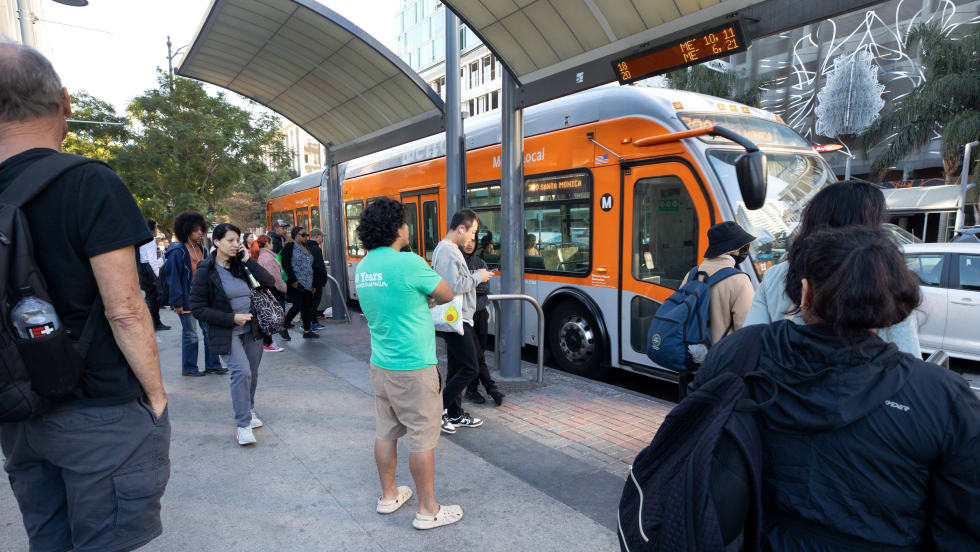
LA Metro Ridership Continues Growth as Rail Gains Accelerate
New rail connections and major events help drive continued ridership gains, with Metro recording its eighth consecutive month of year-over-year rail growth.
Read More →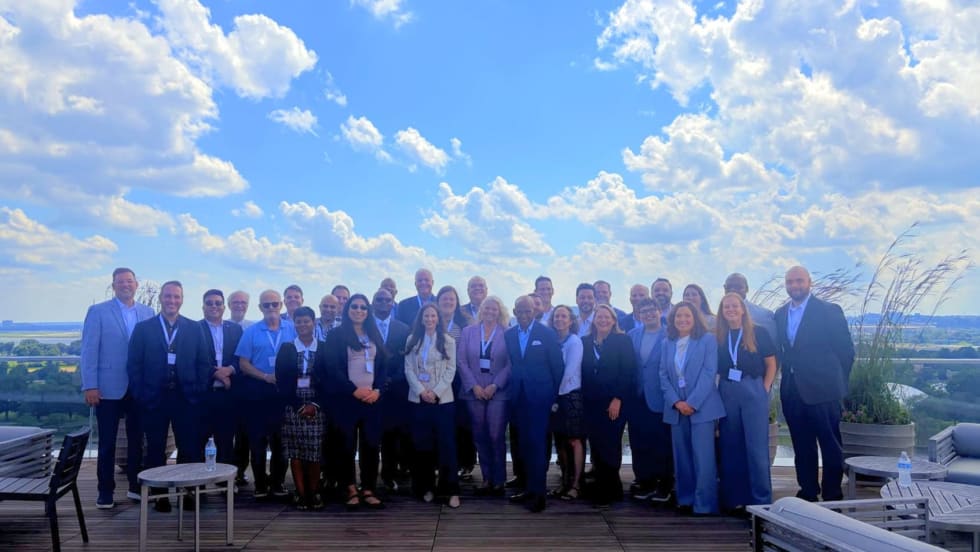
TransDASH Summit Focuses on Measuring What Matters in Transit
Transit agencies unveil a national performance platform designed to benchmark customer experience, safety, community value, and other outcomes.
Read More →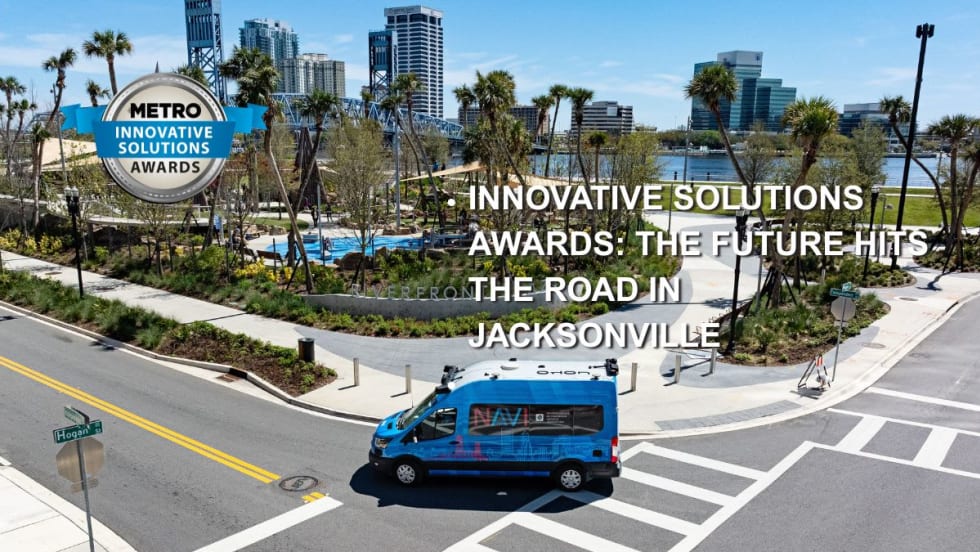
Jacksonville’s NAVI Project Charts a New Course for Autonomous Public Transportation
Through its NAVI program, JTA is showing how autonomous vehicles, intelligent infrastructure, and coordinated operations can work together to deliver everyday public transportation.
Read More →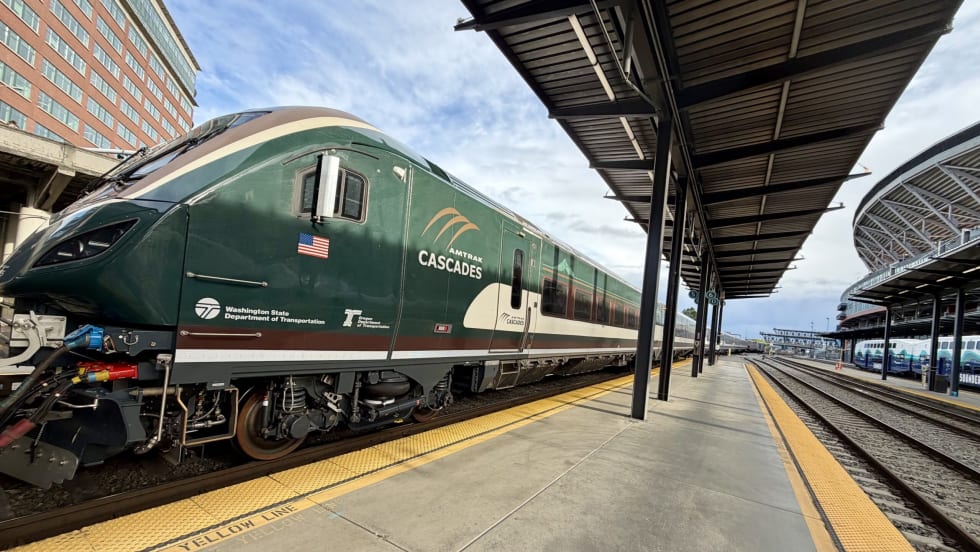
FRA Announces $5.3B in Rail Investments, Including $2B for Amtrak
Funding will support grade-crossing improvements, infrastructure upgrades, and new Amtrak equipment in 23 states.
Read More →
Finding the ‘Happy Medium’: Optimizing Maintenance Without Sacrificing Reliability
The key to maintenance optimization isn’t doing less work—it’s doing the right work at the right time on the right assets.
Read More →
People Movement: MARTA Drops Interim Tag on GM/CEO Hunt and More
In this edition, METRO covers recent appointments and announcements at the FMCSA, HDR, SilverRide, and more, showcasing the individuals helping to shape the future of transportation.
Read More →
VIA Metropolitan Transit Reports 2 Million More Passenger Trips as Better Bus Plan Gains Momentum
San Antonio's transit agency said accelerated service improvements are driving ridership growth, offering another example of how increased frequency and workforce investments can translate into stronger transit performance.
Read More →
ABAF Study Reveals Growing Insurance Crisis for Motorcoach Operators
Preliminary findings show 98% of operators faced premium increases over the past five years, while shrinking insurer participation is putting added pressure on businesses and customers.
Read More →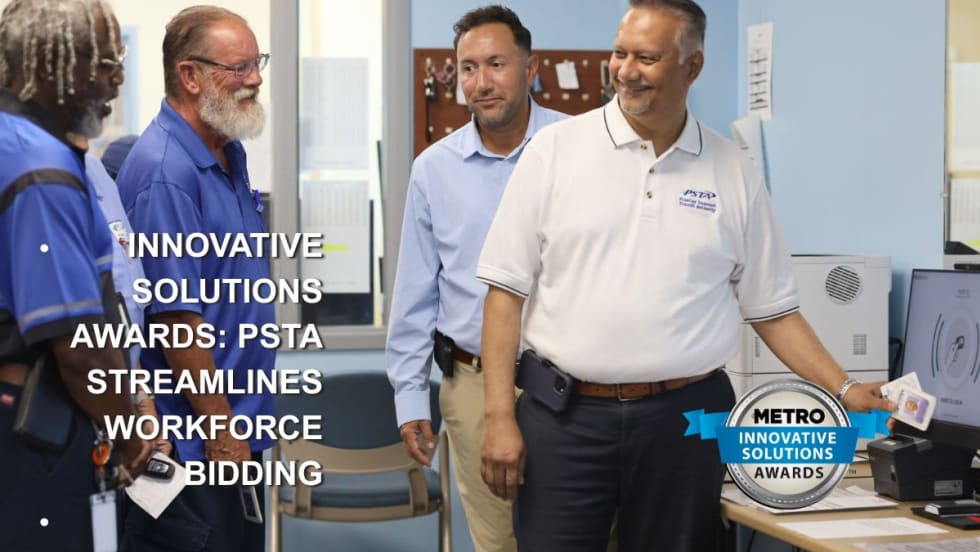
PSTA Modernizes Workforce Management with Digital Bidding System
The award-winning Workforce Transit Modernization project replaced paper bidding with a transparent digital platform, cutting administrative effort while improving access for operators.
Read More →
Chicago to Host Public Transportation's Biggest Gathering at APTA TRANSform & EXPO 2026
North America’s largest public transportation gathering returns to Chicago, connecting transit decision-makers with the technologies, ideas, and partnerships driving the industry forward.
Read More →