



Coach parking options shrink, rules increase
Many cities have made it difficult for motorcoaches to determine where they are able to park after dropping off its passengers.
With the busy spring season upon motorcoach operators, cities across the nation focused on more strictly enforcing parking, idling and pickup/drop-off rules, by fining operators who didn't obey.
"We've seen from many cities that they just want to remind motorcoach operators that they love having them and the group tours, but they just want to make sure that they aren't surprised by specific designated pickup and drop-off points, idling rules, parking regulations, street usage guidelines and so forth," explained Eron Shostek, senior VP, communications, marketing and media relations, for the American Bus Association (ABA).
In Alexandria, Va., for example, officials began enforcing its rules to prevent motorcoach operators from blocking lanes of traffic, idling long periods of time, and taking too long to load and unload passengers or face a $100 fine. The increased attention was caused by complaints from local residents, according to a local television news report.
Meanwhile in New York City, one of the busiest tourist areas in the nation, the laws stating where motorcoach operators can park have become muddied in recent months, leaving many operators with an unclear understanding of where they are allowed to stop after unloading customers at a destination.
"The issue that we have been dealing with most recently is the fact that, in general, there aren't enough layover locations in New York City to accommodate all of the buses that are in town during the busy season," said Mike Neustadt, co-president of Brookfield, Conn.-based tour operator Coach Tours.
Neustadt explained that the New York Department of Traffic had posted a list of Manhattan streets where buses can layover for an unspecified amount of time, since around 2007, but just last February he noticed the page had been changed to state that layover times are limited to 15 minutes.
"What that means is, if a bus has no place to pull over and park legally and safely, the driver is going to be forced to drive around the block slowly for a couple of hours until his group is ready to be picked up," he said. "That is a ridiculous solution. It is unsafe, causes pollution and just isn't right."
When Neustadt asked the New York Department of Transportation (NY DOT) for an explanation, he was referred to the Metropolitan Transportation Authority's New York City Transit, who in turn referred him back to the NY DOT.
For many years, there were plenty of uninhabited or less popular areas in Manhattan where operators were able to park. But, with many of those sections of town now becoming more trendy to live in, those parking spots have dwindled, and the spots that remain are often used by other vehicles.
While straying a bit into the extreme circumstance, the situation in Manhattan has served as sort of a microcosm of issues that operators were faced with during the spring season. The ABA's Shostek said that while the situation may appear to be more combative in some areas, there are other areas, such as Toronto, which sets aside parking spaces exclusively for motorcoaches because they realize the benefits as an environmentally-friendly travel mode. He also explained that more and more cities are sending the ABA their rules and requirements that motorcoach operators must adhere to.
"It's an interesting dynamic because the cities, especially in this economic climate, want the travel business, they want the tourism dollars and they understand the value of motorcoaches in providing those tours," he said. "The flipside is they also want to make sure that there is no parking or dropping off or picking up in areas where it may not be safe."
The list of city-by-city rules is available at www.buses.org/node/939.
As for finding a solution in Manhattan, Neustadt said, if it was clear where they could park and how much it would cost, he and other operators would not bristle at the necessity to pay for parking spaces, but rather would see it as an additional cost of doing business in the area. Still, he suggested both short- and long-term fixes for the worsening situation.
"Solutions I've been fighting for are more sensible and clearly communicated regulations about where the buses can go and where they can stop, and not change them every month or two at the whim of one agency or the other," he said. "For the long term, we need to build into the zoning regulations, in New York, requirements that if somebody is going to build or substantially remodel a building or location that will attract charter buses and tourists they have to be able to accommodate them."
More Motorcoach
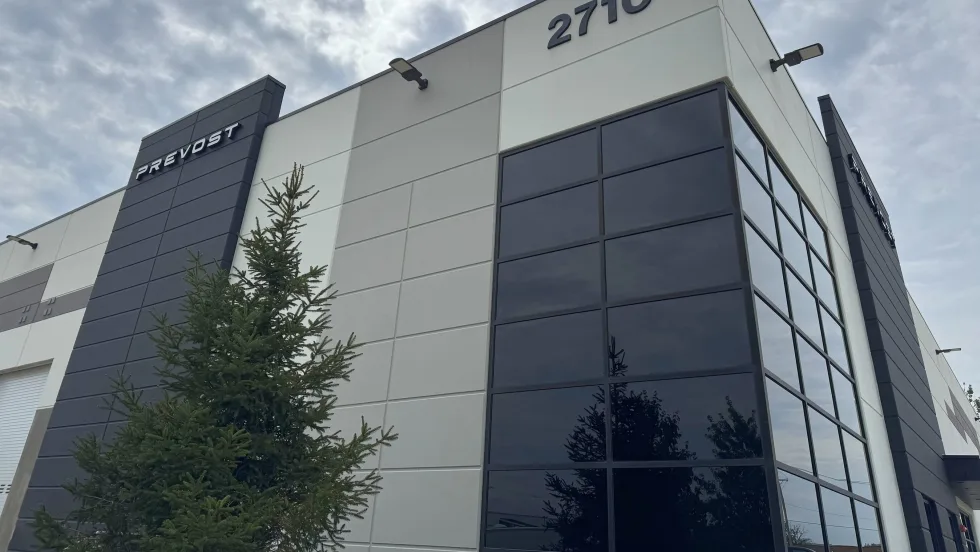
Prevost Opens Expanded Chicago-Area Service Center
The $8.1 million Elk Grove Village investment nearly triples facility space while adding service capacity, parts storage, and customer amenities.
Read More →
People Movement: Dan Dipert Coaches Adds Third-Generation Leader, Keolis Names New Valley Metro VP/GM, and More
In this edition, we also cover recent appointments and announcements at the Wabtec, SilverRide, HNTB, and more, showcasing the individuals helping to shape the future of transportation.
Read More →
METRO Opens Submissions for 2026 Motorcoach Awards
Nominations are now being accepted for METRO Magazine’s Operator of the Year and Innovative Operator of the Year awards.
Read More →
Biz Briefs: Alstom Lands Canadian Contract, LYT to Supply California TSP, and More
In METRO's latest installment, we take a look at recent news from Complete Coach Works, Beep, FlixBus, and more partnerships making headlines across the transportation sector.
Read More →
Biz Briefs: RIPTA Unveils New Frontrunners, Clevland RTA Adds New Siemens, and More
In METRO's latest installment, we take a look at recent news from Siemens, Prevost, Dodge, and more partnerships making headlines across the transportation sector.
Read More →
People Movement: Holly Arnold Joins Transdev and More
In this edition, we also cover recent appointments and announcements at Pace, CamTran, MCI, and more, showcasing the individuals helping to shape the future of transportation.
Read More →
ABA Report: Motorcoach Travel Generates $161.6B Economic Impact
The 2025 analysis finds motorcoach travel supported nearly 900,000 jobs and generated $28 billion in federal, state, and local taxes.
Read More →
CharterUP’s Armir Harris on Technology, AI, and the Future of Group Mobility
In a recent episode of METROspectives, CharterUP Founder/CEO Armir Harris discussed the company’s evolution from an online charter bus marketplace into a technology platform supporting public- and private-sector mobility and much more.
Read More →
People Movement: ABC Names John Walsh as Chief Commercial Officer
In this edition, METRO also covers recent appointments and announcements at the DART, STV, and more, showcasing the individuals helping to shape the future of transportation.
Read More →
From Surviving to Thriving: Building Stronger Transportation Organizations
Bus Business Consultants founder Brian Dickson shares lessons on leadership, organizational health, and creating options for long-term success in a changing transportation industry.
Read More →