



Copper wire thefts hinder rail services
Metal scavengers have stolen copper wires from SEPTA's tracks. The agency is spending up to $500,000 yearly to repair and replace the damaged equipment.


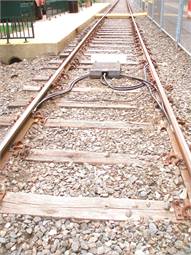
Thieves, motivated by the high copper prices offered by scrap dealers, are stealing large amounts of copper wire from transit agencies. Systems such as Southeastern Pennsylvania Transportation Authority (SEPTA) and Seattle’s Sound Transit have suffered hundreds of thousands of dollars in damages because of the pilfering.
At SEPTA, metal scavengers have cut copper wires from tracks and overhead poles, stopping trains, Jeffrey Knueppel, assistant GM and chief engineer, SEPTA, said.
The agency is spending $300,000 to $500,000 a year to repair and replace equipment damaged by the thieves. SEPTA spokesperson Jerri Williams said the agency has experienced several of these incidents over the past few years.
SEPTA has had to convince law enforcement that the thefts compromise safety and damage equipment because often suspects don’t receive severe charges.
“The thing that’s working well is, when we do catch individuals, to make sure that they’re prosecuted fully,” Knueppel said. “We make sure the authorities really understand the potential safety issues when we experience damage in our signal huts. They’re working with us to make sure the punishment matches the crime.”
In particular, SEPTA is working with police on a case in which a person was stealing overhead wires 70 feet in the air and dropping them next to SEPTA station platforms. The thief climbed a pole which had 220,000-volt electrical lines running over the top of the railroad and cut wires for the electric company and the transit system, Knueppel said.
“They’re not only putting others at risk. It’s a very dangerous situation,” Knueppel said. “There’s a lot of current passing through the cables if a trolley or train comes through while they’re cutting or fooling around with them. They can get pretty badly hurt.”
To prevent future thefts, SEPTA has switched to other materials, including Aluminum Steel Reinforced Strand, which has little to no market value, Andy Gillespie, chief engineering officer of power, said. Knueppel added that the agency switched to tamper-resistant screws and fasteners in stations; a less valuable type of cable that can perform the same function; and buried copper bonding wire, or put it inside a sleeve that’s difficult to break into.
Additionally, because many of the thefts are committed overnight, SEPTA is not aware of them until the morning commute. “We think [riders] are going to have a good ride, only to find when the first train in the morning runs, that wires have been stolen and trains are [just] sitting there,” he said.
Meanwhile, Sound Transit recently had copper wire taken during construction of its Link light rail line and from other projects. The most recent theft was of 70,000 pounds, or four miles worth of copper cable. Thieves accessed a concrete vault and ripped the wire from inside an elevated guideway. The theft is the biggest the system has ever dealt with, Bruce Gray, spokesperson, Sound Transit, said. Washington state sheriff’s department detectives told Gray it’s one of the largest copper thefts they’ve ever seen, statewide.
While there was no impact to service, without the cable in the elevated guideway to absorb stray current from the rail, it can get into the concrete and cause damage. “During the time that this was gone, it won’t have impacted the structure,” Gray said.
However, replacing the cable, at about $216,000, not counting labor, is costly.
Sound Transit is looking into providing better security to the affected portion of the guideway.
“Whoever did this had some prior knowledge of the system and knew what they were going after,” Gray said. “The police don’t think this was a typical theft of opportunity. This was likely a much more organized effort to steal from us. These aren’t wires that anyone can see from the outside.”
As Sound Transit designs future elevated guideways or any other infrastructure with wire in it, Gray said, it is taking the incidents into account.
More Rail
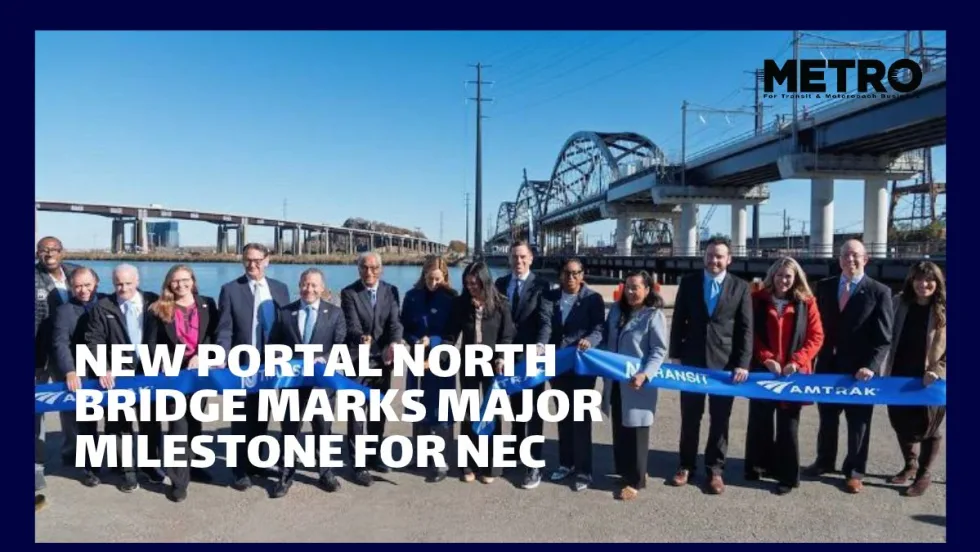
Amtrak, NJ TRANSIT Launch Full Service on New Portal North Bridge
The completion of the two-track bridge over the Hackensack River eliminates a longstanding source of delays for NJ TRANSIT and Amtrak customers. It marks a major milestone for the Gateway Program.
Read More →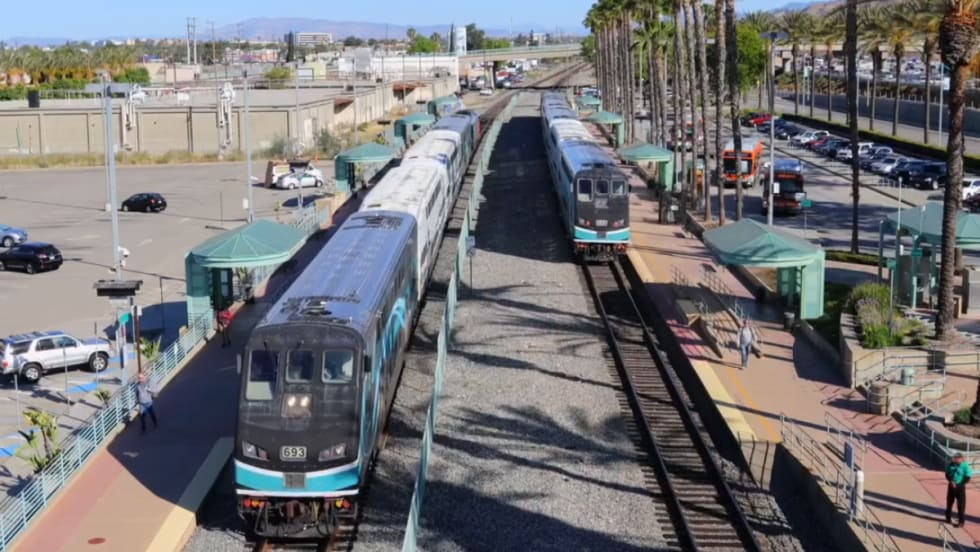
Southern California’s Metrolink Approves $508.8M Budget, Avoids Service Cuts
A $20 million state allocation allows the regional rail agency to maintain existing weekday and weekend service through fiscal year 2028, although longer-term funding challenges remain.
Read More →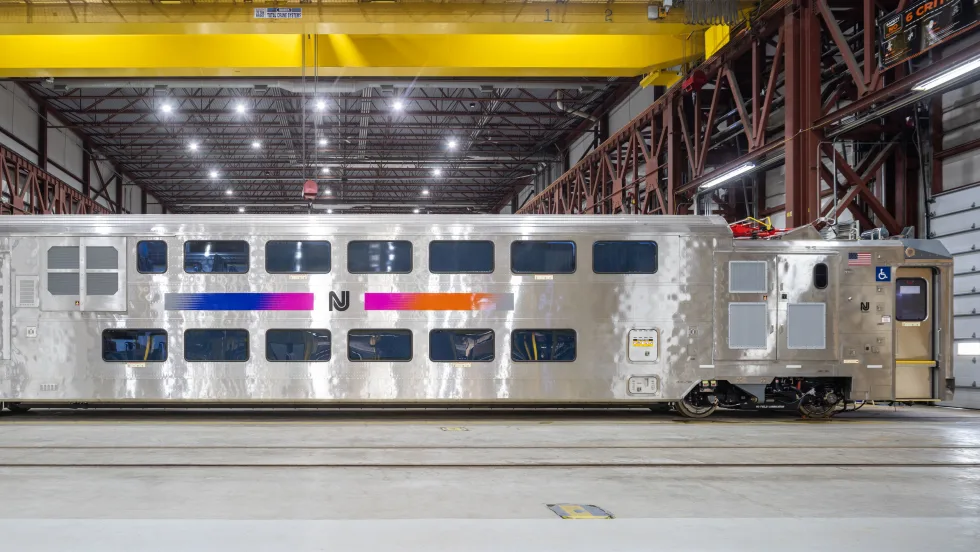
NJ TRANSIT Approves $65.6M for Hudson-Bergen Light Rail Improvements
The funding marks the first phase of a planned $250 million investment over five years to modernize stations, overhaul vehicles, and improve system reliability and passenger safety.
Read More →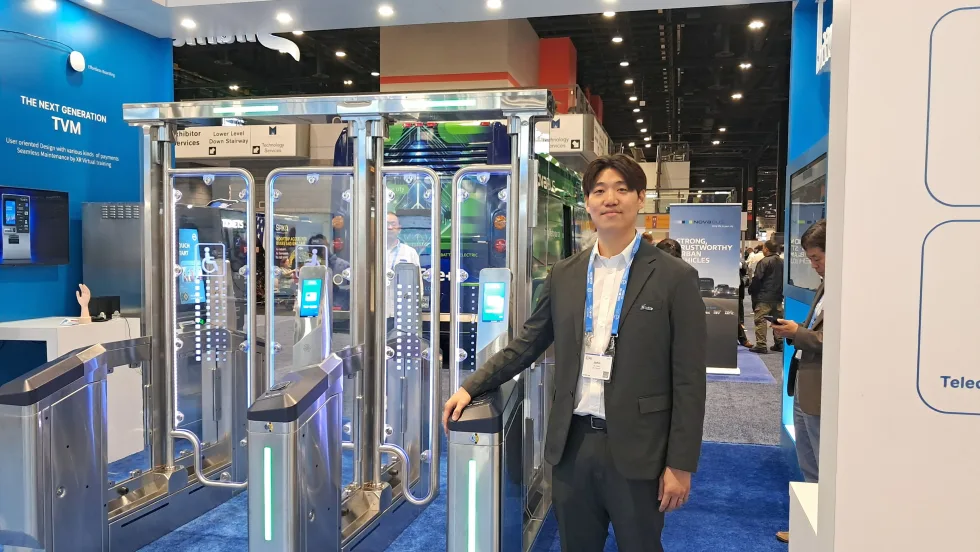
STraffic Expands North American Presence with Fare Collection Technology
John Moon, Associate Director, Product Strategy at STraffic, discusses the company's growth in North America, its efforts to reduce fare evasion, and more.
Read More →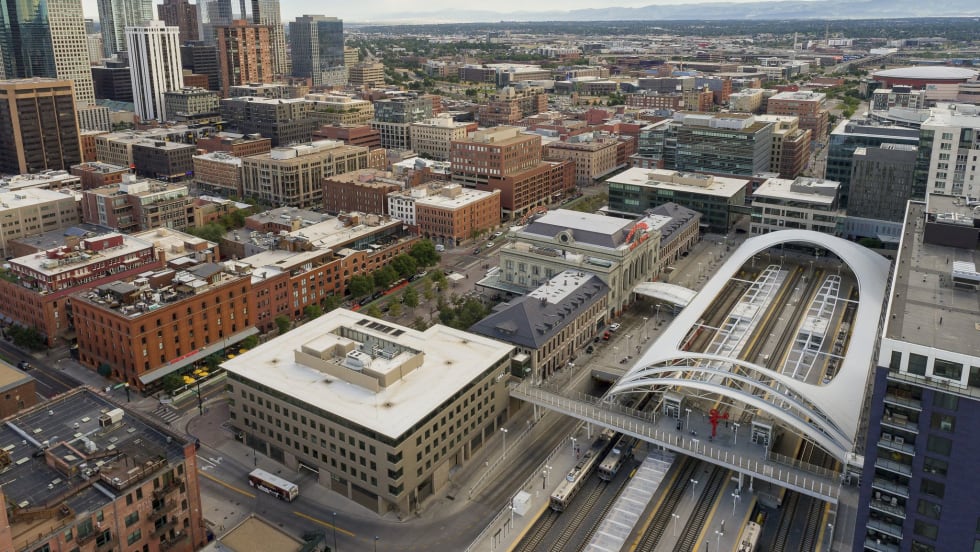
Study: Denver RTD Generates $2.1 Billion in Annual Economic Activity
An economic impact study finds the agency supports approximately 17,500 jobs, delivers $1.6 billion in annual community and mobility benefits, and generates $2.42 in economic value for every dollar invested.
Read More →
Mark Aesch Nominated to Lead Federal Transit Administration
The former Rochester transit chief and TransPro founder, who has also contributed to METRO Magazine, brings decades of industry experience and a focus on performance, accountability, and financial sustainability to the nomination.
Read More →
Transit Expands Agency Partnerships, Reaching 200 Official App Partners
COO Jake Sion discusses Transit’s growth, the success of its Transit Royale program, and how technology is helping agencies improve the rider experience.
Read More →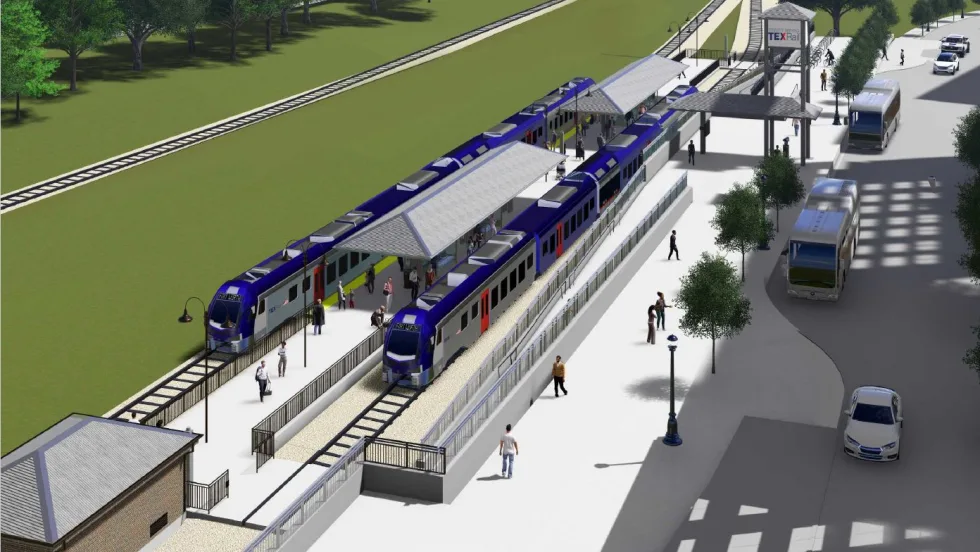
Trinity Metro Breaks Ground on $270M TEXRail Extension
The 2.1-mile extension will connect Fort Worth’s Medical District and Near Southside to downtown, surrounding communities, and Dallas-Fort Worth International Airport.
Read More →
Bringing Austin’s First Light Rail System to Life
Austin Transit Partnership CEO Greg Canally discusses the city's nearly 10-mile light rail project, its collaborative approach to project delivery, the importance of community engagement, and the milestones ahead as construction approaches in 2027.
Read More →
Metra Draft Plan Outlines Costs, Service Improvements for Regional Rail
The Systemwide Network Plan identifies infrastructure needs and potential investments to expand all-day, bidirectional rail service across the Chicago region.
Read More →